
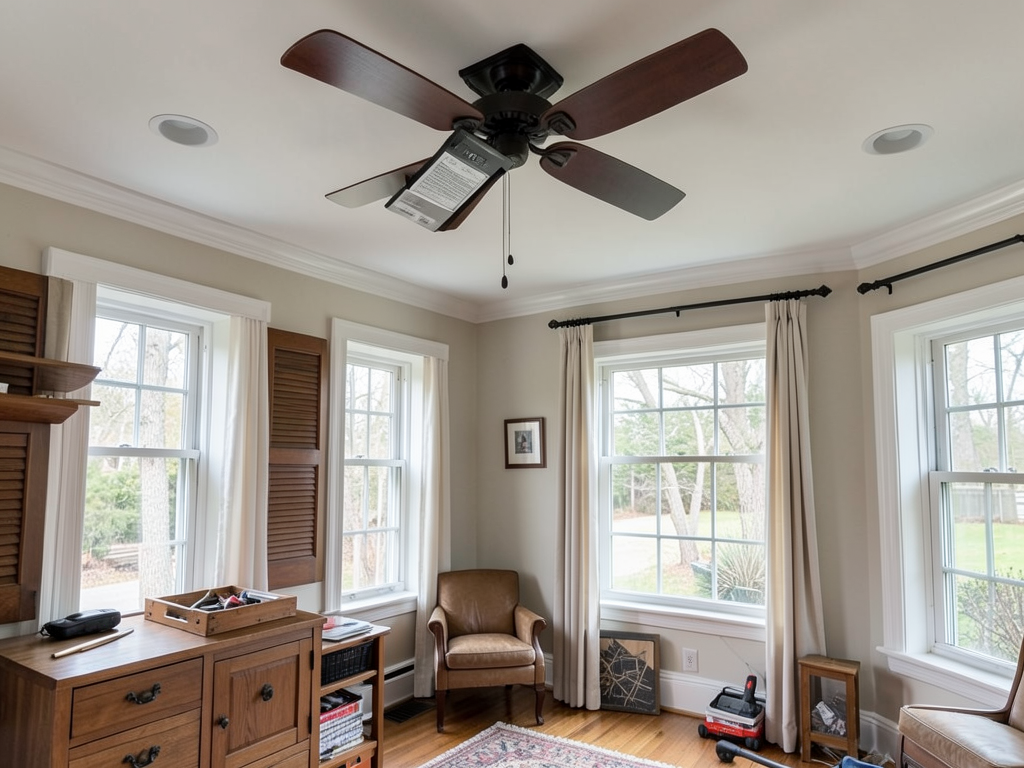
Why Whole House Fans Are Making a Comeback in Scarritt Point
Homeowners in Scarritt Point are rediscovering whole house fans as a smart way to cool their homes while cutting energy costs. These systems work by pulling cool evening air through your home and exhausting hot air through the attic creating a natural cooling cycle that can reduce your reliance on air conditioning by up to 90% during mild weather. How to find a reliable air conditioning repair technician in Overland Park.
The historic homes in Scarritt Point often feature large multi-story layouts with high ceilings that trap heat during summer months. Traditional AC systems work overtime to cool these spaces driving up utility bills. Whole house fans offer a cost-effective alternative that works perfectly with Kansas City’s climate pattern of cool nights and hot days. Why historic Brookside homes need specialized high velocity AC systems.
How Whole House Fans Work in Kansas City’s Climate
Whole house fans operate on a simple principle: they exchange hot indoor air with cool outdoor air when temperatures drop at night. In Kansas City we typically see temperature drops of 20-30 degrees after sunset creating ideal conditions for thermal mass cooling.
The process works like this: you open windows on the cooler side of your home turn on the fan and it pulls that cool air through your living spaces. This pushes hot air up through the attic and out through existing roof vents. The cool air absorbs heat from your home’s structure overnight keeping temperatures lower the next day.
According to the Department of Energy whole house fans can reduce cooling costs by 50-90% when used properly. In Kansas City’s humid continental climate they’re particularly effective from April through October when nighttime temperatures regularly drop below 75 degrees. Department of Energy whole house fan information.
The Cost Savings Advantage for Scarritt Point Homes
Historic homes in Scarritt Point often have higher cooling costs due to their design. Many were built before air conditioning existed featuring tall windows high ceilings and large footprints that are expensive to cool with modern AC systems.
A typical whole house fan installation costs between $1500 and $3500 compared to $5000-$15000 for a new central AC system. The operating cost is equally impressive: a whole house fan uses about 10-15% of the electricity of a central AC unit.
For a 2000 square foot Scarritt Point home you might save $75-$150 per month during cooling season by using a whole house fan instead of AC on mild nights. Over a five-year period that’s $4500-$9000 in energy savings that can offset the initial investment.
Installation Process and What to Expect
Installing a whole house fan requires careful planning to ensure proper ventilation and electrical safety. The process typically takes one to two days and involves several key steps.
First our technicians inspect your attic to verify adequate ventilation. The International Residential Code requires one square foot of net free vent area for every 750 cubic feet per minute of fan capacity. For a typical 30-inch fan moving 5000 CFM you’ll need about 6.7 square feet of attic ventilation. National Association of Home Builders.
Next we cut an opening in your ceiling usually in a central hallway or open area. The fan mounts between ceiling joists and includes a motorized shutter that seals when not in use. We then run dedicated electrical circuits with proper GFCI protection as required by the National Electrical Code.
Finally we install the fan connect it to your thermostat or wall switch and test the system. Most installations include a timer so you can set it to run for two to four hours after bedtime. Smart Thermostat Benefits.
QuietCool vs. Traditional Whole House Fans
Modern whole house fans have evolved significantly from the noisy units of the 1960s and 1970s. Today’s premium models like QuietCool use advanced engineering to reduce noise while improving efficiency.
Traditional fans typically operate at 60-70 decibels from inside the home similar to normal conversation. QuietCool models reduce this to 45-55 decibels using balanced motors insulated housings and aerodynamic fan blades. This makes them quiet enough to run while sleeping without disturbing most people.
Efficiency differences are also significant. Standard fans move about 1000-1500 CFM per watt of electricity. Premium models achieve 1800-2500 CFM per watt meaning they move more air while using less energy. Over a cooling season this efficiency difference can save an additional $50-$100 in electricity costs.
Choosing the Right Size for Your Home
Proper sizing is critical for whole house fan performance. Too small and it won’t cool effectively. Too large and it can create uncomfortable drafts or overload your attic ventilation system.
The general rule is to divide your home’s square footage by 3 to get the required CFM. For a 2500 square foot Scarritt Point home you’d need a fan rated for about 8300 CFM. However factors like ceiling height insulation levels and local climate affect the ideal size. Local HVAC experts for boiler maintenance and repair near the Country Club Plaza.
For Kansas City’s climate we typically recommend adding 20% to the base calculation to account for our humidity and temperature swings. That same 2500 square foot home would benefit from a 10000 CFM fan in our area.
Table 1 below shows recommended fan sizes for common Scarritt Point home sizes:
| Home Size (sq ft) | Base CFM | Kansas City Adjusted CFM | Recommended Fan Size |
|---|---|---|---|
| 1500 | 5000 | 6000 | 30-inch |
| 2000 | 6700 | 8000 | 36-inch |
| 2500 | 8300 | 10000 | 42-inch |
| 3000 | 10000 | 12000 | 48-inch |
Energy Rebates and Tax Credits
Several programs make whole house fans even more affordable in Kansas City. Evergy our local utility provider offers rebates of $50-$150 for qualifying high-efficiency whole house fans. Evergy energy rebates.
The federal Energy Star program also provides tax credits for qualifying products. As of 2026 you can claim 10% of the purchase price up to $300 for fans that meet Energy Star efficiency standards. This credit applies to both the fan and installation costs.
Some Kansas City-area municipalities offer additional incentives. Kansas City Missouri residents may qualify for additional rebates through the city’s energy efficiency programs which can total another $100-$200 in savings.
Maintenance and Winterizing Your System
Whole house fans require minimal maintenance but benefit from annual service. The most important task is cleaning the fan blades and motor housing to remove dust and debris that can reduce efficiency.
We recommend checking the damper seals annually. These rubber gaskets prevent air leakage when the fan isn’t running. Over time they can dry out and crack allowing conditioned air to escape in winter or hot air to enter in summer.
Winterizing is simple but important. Most modern fans include insulated shutters that seal automatically. However in extremely cold climates like ours adding a removable insulation cover provides extra protection. This prevents warm air from escaping through the attic and reduces heat loss by up to 70%.
Table 2 shows a basic maintenance schedule:
| Task | Frequency | Estimated Time |
|---|---|---|
| Dust fan blades and housing | Seasonally | 15 minutes |
| Check damper seals | Annually | 10 minutes |
| Test motor operation | Annually | 5 minutes |
| Inspect attic ventilation | Annually | 20 minutes |
| Apply lubricant to bearings | Every 3 years | 30 minutes |
Frequently Asked Questions
Will a whole house fan work with my existing AC system?
Yes whole house fans complement rather than replace your AC system. Use the fan during cool evenings and mornings then switch to AC when temperatures rise. This combination provides optimal comfort while minimizing energy costs.
Are whole house fans effective in humid climates like Kansas City?
They work best when outdoor humidity is below 70% and temperatures drop at least 15 degrees overnight. In Kansas City this typically occurs from April through October though July and August nights can be too warm and humid for effective cooling.
How much attic ventilation do I need?
The International Residential Code requires one square foot of net free vent area for every 750 CFM of fan capacity. For a 5000 CFM fan you need at least 6.7 square feet of attic ventilation. Most homes have adequate ventilation but we’ll verify this during our assessment.
Can I install a whole house fan myself?
While possible professional installation ensures proper sizing electrical safety and ventilation requirements are met. Incorrect installation can lead to poor performance electrical hazards or moisture problems in your attic.
How long do whole house fans typically last?
Quality whole house fans typically last 15-20 years with proper maintenance. The motors are sealed and designed for continuous operation while the shutters and blades may need replacement after 10-15 years depending on usage and environmental conditions.
Is a Whole House Fan Right for Your Scarritt Point Home?
Whole house fans offer an excellent solution for Scarritt Point homeowners looking to reduce cooling costs while maintaining comfort. They work particularly well in our historic homes with their high ceilings and large footprints.
The key factors to consider are your home’s layout existing attic ventilation and your cooling preferences. Homes with good cross-ventilation and adequate attic vents see the best results. If you enjoy fresh air and don’t mind opening windows in the evening a whole house fan could be perfect for you.
Ready to explore whether a whole house fan makes sense for your home? Call (816) 473-9177 today to schedule your free assessment. Our technicians will evaluate your home’s specific needs and provide a detailed quote with available rebates and energy savings estimates.
Don’t wait until summer heat waves hit. Installing now means you’ll be ready for those perfect spring and fall evenings when whole house fans work their best. Pick up the phone and call (816) 473-9177 before the next heat wave arrives.
You may also find this helpful. Why Your Master Bedroom Is Always the Hardest Room to Cool in Your Olathe Two Story.
{
“@context”: “https://schema.org”,
“@type”: “BlogPosting”,
“headline”: “Why Whole House Fans Are Making a Comeback in Scarritt Point”,
“description”: “Discover why homeowners in Scarritt Point are choosing whole house fans to cut cooling costs by up to 90% while enjoying fresh air in historic homes.”,
“wordCount”: 1613,
“datePublished”: “2026-05-15T08:12:00.000Z”,
“dateModified”: “2026-05-15T08:12:00.000Z”,
“inLanguage”: “en-US”,
“mainEntityOfPage”: {
“@type”: “WebPage”,
“@id”: “https://unitedhvackansascity.com”
},
“publisher”: {
“@type”: “LocalBusiness”,
“name”: “United HVAC Kansas City”,
“url”: “https://unitedhvackansascity.com”
},
“author”: {
“@type”: “Organization”,
“name”: “United HVAC Kansas City”,
“url”: “https://unitedhvackansascity.com”
},
“image”: {
“@type”: “ImageObject”,
“url”: “https://unitedhvackansascity.com/wp-content/uploads/2026/03/why-whole-house-fans-are-making-a-comeback-in-scar-1.png”
}
}
{
“@context”: “https://schema.org”,
“@type”: “HVACBusiness”,
“name”: “United HVAC Kansas City”,
“url”: “https://unitedhvackansascity.com”,
“address”: {
“@type”: “PostalAddress”,
“addressLocality”: “Kansas City”
},
“areaServed”: {
“@type”: “City”,
“name”: “Kansas City”
}
}
{
“@context”: “https://schema.org”,
“@type”: “FAQPage”,
“mainEntity”: [
{
“@type”: “Question”,
“name”: “Will a whole house fan work with my existing AC system?”,
“acceptedAnswer”: {
“@type”: “Answer”,
“text”: “Yes whole house fans complement rather than replace your AC system. Use the fan during cool evenings and mornings then switch to AC when temperatures rise. This combination provides optimal comfort while minimizing energy costs.”
}
},
{
“@type”: “Question”,
“name”: “Are whole house fans effective in humid climates like Kansas City?”,
“acceptedAnswer”: {
“@type”: “Answer”,
“text”: “They work best when outdoor humidity is below 70% and temperatures drop at least 15 degrees overnight. In Kansas City this typically occurs from April through October though July and August nights can be too warm and humid for effective cooling.”
}
},
{
“@type”: “Question”,
“name”: “How much attic ventilation do I need?”,
“acceptedAnswer”: {
“@type”: “Answer”,
“text”: “The International Residential Code requires one square foot of net free vent area for every 750 CFM of fan capacity. For a 5000 CFM fan you need at least 6.7 square feet of attic ventilation. Most homes have adequate ventilation but we’ll verify this during our assessment.”
}
},
{
“@type”: “Question”,
“name”: “Can I install a whole house fan myself?”,
“acceptedAnswer”: {
“@type”: “Answer”,
“text”: “While possible professional installation ensures proper sizing electrical safety and ventilation requirements are met. Incorrect installation can lead to poor performance electrical hazards or moisture problems in your attic.”
}
},
{
“@type”: “Question”,
“name”: “How long do whole house fans typically last?”,
“acceptedAnswer”: {
“@type”: “Answer”,
“text”: “Quality whole house fans typically last 15-20 years with proper maintenance. The motors are sealed and designed for continuous operation while the shutters and blades may need replacement after 10-15 years depending on usage and environmental conditions.”
}
},
{
“@type”: “Question”,
“name”: “Is a Whole House Fan Right for Your Scarritt Point Home?”,
“acceptedAnswer”: {
“@type”: “Answer”,
“text”: “Whole house fans offer an excellent solution for Scarritt Point homeowners looking to reduce cooling costs while maintaining comfort. They work particularly well in our historic homes with their high ceilings and large footprints.”
}
}
]
}
{
“@context”: “https://schema.org”,
“@type”: “BreadcrumbList”,
“itemListElement”: [
{
“@type”: “ListItem”,
“position”: 1,
“name”: “Home”,
“item”: “https://unitedhvackansascity.com”
},
{
“@type”: “ListItem”,
“position”: 2,
“name”: “Blog”,
“item”: “https://unitedhvackansascity.com/blog”
},
{
“@type”: “ListItem”,
“position”: 3,
“name”: “Why Whole House Fans Are Making a Comeback in Scarritt Point”
}
]
}
{
“@context”: “https://schema.org”,
“@type”: “Service”,
“serviceType”: “HVAC”,
“provider”: {
“@type”: “LocalBusiness”,
“name”: “United HVAC Kansas City”,
“url”: “https://unitedhvackansascity.com”
},
“areaServed”: {
“@type”: “City”,
“name”: “Kansas City”
},
“description”: “Discover why homeowners in Scarritt Point are choosing whole house fans to cut cooling costs by up to 90% while enjoying fresh air in historic homes.”
}