
How to Keep Your New Lee’s Summit Sunroom Comfortable Throughout the Winter
Keeping your new Lee’s Summit sunroom warm during Missouri winters requires understanding the unique challenges of our climate zone. With temperatures dropping below zero and wind chills making it feel even colder, a poorly heated sunroom becomes unusable for months. The right heating solution depends on your sunroom’s construction, your existing HVAC system, and your budget. Most importantly, you need a system sized correctly for the high-glazing areas that characterize sunrooms.. Read more about Specialized Climate Control Tips for Indoor Gardeners and Hobbyists in the West Bottoms.
Lee’s Summit homeowners face specific challenges because our area sits in USDA Plant Hardiness Zone 6, where winter lows can reach -10°F. Sunrooms with large glass areas lose heat rapidly, and standard space heaters cannot keep up with the heat loss through windows and doors. The solution requires either extending your home’s central heating system or installing dedicated equipment designed for high-efficiency heating in spaces with significant glass exposure.
Understanding Lee’s Summit Climate Requirements for Sunroom Heating
Lee’s Summit experiences extreme temperature swings that directly impact sunroom heating needs. Summer highs exceed 95°F while winter lows drop below 20°F, with occasional polar vortex events bringing sub-zero temperatures. These conditions mean your heating system must handle both rapid temperature changes and high humidity levels that occur when warm air meets cold glass surfaces.
The International Energy Conservation Code (IECC) requires specific insulation standards for sunrooms in Missouri’s climate zone. According to the 2021 IECC Section C402.1.3, sunrooms must meet minimum R-values for walls, floors, and ceilings, plus have properly rated windows with U-factors no higher than 0.30 for climate zone 4. Lee’s Summit falls in climate zone 4, requiring these strict insulation standards to prevent heat loss.
Local building codes in Jackson County and the city of Lee’s Summit also require proper permits for any HVAC modifications to sunrooms. The mechanical code mandates that all heating equipment meet EPA Section 608 refrigerant handling requirements and be installed by licensed contractors. These regulations ensure your system operates safely and efficiently throughout the heating season. Local HVAC experts for boiler maintenance and repair near the Country Club Plaza.
Top Heating Solutions for Lee’s Summit Sunrooms
Ductless Mini-Split Systems
Ductless mini-split heat pumps represent the most efficient solution for Lee’s Summit sunrooms. These systems provide both heating and cooling in a single unit, making them ideal for rooms with large glass areas. Modern mini-splits can maintain heating capacity down to -15°F, which handles even our coldest winter nights.
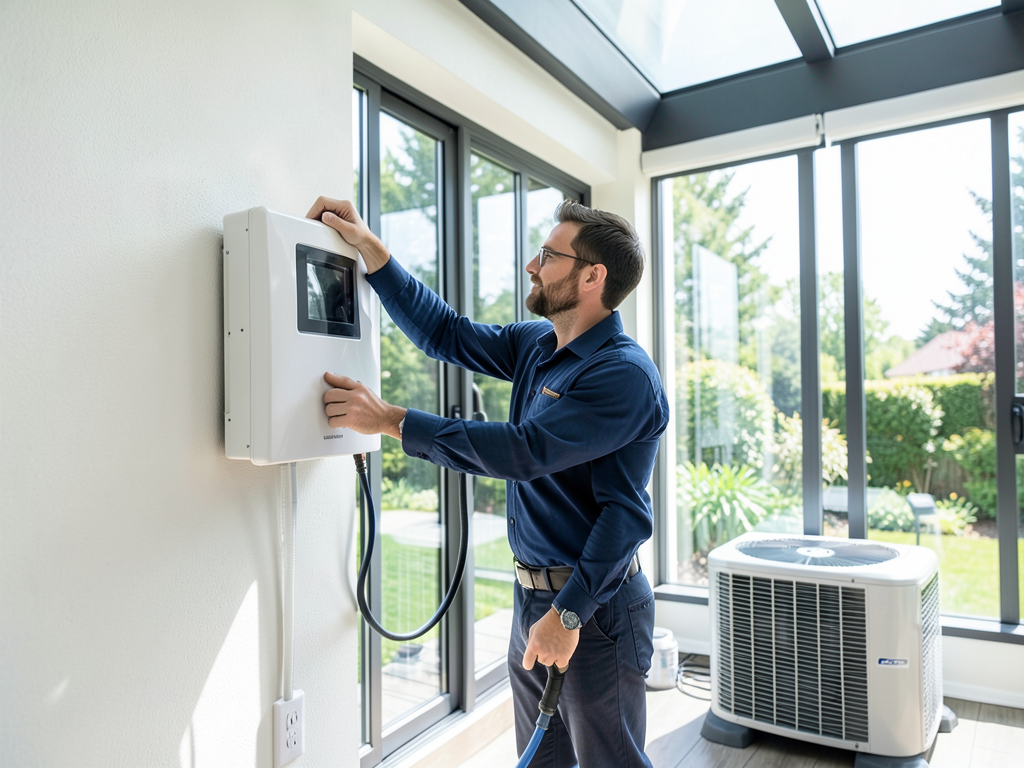
The installation process involves mounting an indoor air handler on your sunroom wall and connecting it to an outdoor condenser unit. The line set runs through a small hole in the wall, typically requiring only a three-inch opening. This minimal intrusion preserves your sunroom’s structure while providing powerful heating capability.
Energy efficiency ratings matter significantly in our climate. Look for units with SEER2 ratings above 18 and HSPF2 ratings above 10. These high-efficiency models reduce operating costs while providing consistent comfort. The initial investment typically ranges from $3,500 to $5,500 installed, but utility rebates from Evergy can offset up to $500 of the cost.
Extending Existing HVAC Ductwork
Extending your home’s existing ductwork into the sunroom seems like the simplest solution, but it often creates more problems than it solves. Sunrooms have different heat gain and loss characteristics than the rest of your home, causing your central system to short-cycle when trying to maintain sunroom temperatures.
The Manual J load calculation becomes critical when extending ductwork. A sunroom requires different BTU calculations than standard rooms because of the high glass-to-wall ratio. Without proper sizing, you risk either inadequate heating or excessive energy consumption as your system struggles to maintain consistent temperatures.
Existing ductwork may not have the capacity to handle the additional load. Most residential systems operate near their maximum capacity during extreme weather. Adding a sunroom can push your system beyond its design limits, leading to premature equipment failure and uncomfortable temperature swings throughout your home.
Electric Baseboard Heaters
Electric baseboard heaters offer the lowest upfront cost for sunroom heating, typically ranging from $200 to $400 per unit. These systems install directly beneath windows where heat loss is greatest, creating a barrier of warm air that prevents cold drafts from entering the room.
However, operating costs in Missouri make electric resistance heating expensive. With Evergy’s current residential rates averaging 13.5 cents per kilowatt-hour, electric baseboard heating can cost $150 to $300 monthly during peak winter months. This expense often exceeds the operating costs of more efficient systems within just a few seasons.
Safety considerations also matter with electric baseboard heaters. These units require dedicated circuits and proper clearance from furniture and window treatments. The surface temperature can exceed 150°F, creating burn risks for children and pets. Additionally, they provide no cooling capability, limiting your sunroom’s usability during summer months.
Radiant Floor Heating
Radiant floor heating transforms your sunroom into a luxury space by warming the floor surface directly. This system installs beneath tile, stone, or engineered wood flooring, creating even heat distribution without noisy fans or visible equipment. The warmth rises naturally, eliminating cold spots and creating a comfortable environment.
Two installation methods exist for radiant floor systems. Electric mats install directly under flooring and work well for smaller sunrooms or retrofit projects. Hydronic systems use hot water circulating through tubing and provide better efficiency for larger areas, though installation costs are higher.
Operating costs vary based on your energy source. Electric radiant systems cost similar to baseboard heaters to operate, while hydronic systems connected to a high-efficiency boiler can reduce heating expenses by 30 to 40 percent compared to electric resistance heating. The luxury feel and silent operation make radiant heating popular for four-season sunrooms.
Cost Comparison and Energy Efficiency Analysis
| Heating System | Initial Cost Range | Monthly Operating Cost | Efficiency Rating | Best For |
|---|---|---|---|---|
| Ductless Mini-Split | $3,500 – $5,500 | $40 – $80 | HSPF2 10+ / SEER2 18+ | Year-round comfort, energy efficiency |
| Extended Ductwork | $2,000 – $4,000 | $60 – $120 | Depends on central system | Existing system capacity allows |
| Electric Baseboard | $200 – $400 per unit | $150 – $300 | 100% (resistance heating) | Temporary or budget solutions |
| Radiant Floor (Electric) | $8 – $15 per sq ft | $100 – $200 | 100% (resistance heating) | Luxury comfort, tile floors |
| Radiant Floor (Hydronic) | $12 – $20 per sq ft | $60 – $120 | 300%+ (heat pump boiler) | Whole-house efficiency |
Energy efficiency directly impacts your long-term costs. A ductless mini-split with HSPF2 rating of 12 produces 12 BTUs of heat for every watt-hour of electricity consumed. Electric resistance heaters produce only 3.4 BTUs per watt-hour, making them three to four times more expensive to operate for the same heating output.
Local utility rebates can significantly reduce your investment. Evergy offers rebates up to $500 for qualifying high-efficiency heat pump installations. The rebate requires units to meet minimum efficiency standards and be installed by participating contractors. These incentives can make premium systems cost-competitive with basic electric heating options.
Local Building Codes and Permitting Requirements
Lee’s Summit and Jackson County enforce specific building codes for sunroom HVAC installations. The International Mechanical Code (IMC) adopted by Missouri requires all heating equipment to be installed according to manufacturer specifications and local permit requirements. Failure to obtain proper permits can result in fines and required system removal.
Mechanical permits for sunroom heating installations typically cost $75 to $150 in Lee’s Summit. The permit process requires submitting HVAC plans showing equipment locations, electrical connections, and compliance with local codes. Inspections verify proper installation, refrigerant line insulation, and electrical safety before final approval.
EPA Section 608 certification requirements apply to all refrigerant handling during mini-split installations. Technicians must hold current certification and follow proper recovery and recycling procedures. The law mandates that refrigerant cannot be released into the atmosphere during installation or service, with fines up to $10,000 per violation for non-compliance.
Energy Star certification provides additional assurance of system efficiency. Energy Star certified heat pumps meet strict efficiency guidelines set by the EPA and can reduce heating costs by 20 to 30 percent compared to standard models. These units also qualify for federal tax credits up to $2,000 when installed in existing homes.
Professional HVAC Sizing and Load Calculations
Manual J load calculations determine the exact heating capacity needed for your sunroom. This calculation considers window area, orientation, insulation levels, and local climate data to determine the precise BTU requirement. Guessing at system size leads to either inadequate heating or excessive energy consumption.
Sunrooms present unique challenges for load calculations because of their high glass area. A standard room might have 20 percent window area, while sunrooms often exceed 70 percent. This increased glazing requires significantly more heating capacity, especially on north-facing exposures that receive no direct winter sunlight.
The heat loss calculation must account for both conduction through glass and infiltration from doors and windows. Each square foot of standard double-pane glass loses approximately 65 BTUs per hour when the outdoor temperature is 0°F and indoor temperature is 70°F. High-efficiency low-E glass reduces this loss to about 40 BTUs per hour.
Professional HVAC contractors use specialized software to perform these calculations, considering factors like local wind speeds, humidity levels, and even the color of your roof. The result determines whether a 9,000 BTU unit suffices or if you need a 24,000 BTU system to maintain comfortable temperatures during extreme weather.
Smart Thermostat Integration and Zoning Options
Smart thermostats optimize sunroom heating by learning your usage patterns and adjusting temperatures automatically. These devices can reduce energy consumption by 10 to 15 percent while maintaining comfort. Many models integrate with home automation systems, allowing control through smartphone apps or voice commands. Smart Thermostat Benefits.
Zoning systems divide your home into separate temperature control areas. A sunroom zoned separately from your main living area prevents the central system from overworking to heat or cool the sunroom. This separation allows different temperature setpoints for each zone, optimizing comfort and efficiency.
Modern zoning systems use electronic dampers in ductwork or dedicated thermostats for ductless units. These controls communicate with your HVAC equipment to direct heating where needed most. During winter, the system prioritizes sunroom heating when occupied, then reduces output when the room is empty.
Integration with home energy management systems provides additional savings. These platforms analyze weather forecasts, utility rates, and occupancy patterns to optimize heating schedules. They can pre-heat your sunroom before you typically use it, then reduce temperatures during unoccupied periods to minimize energy waste.
Maintenance Requirements for Sunroom Heating Systems
Regular maintenance ensures your sunroom heating system operates efficiently throughout its lifespan. Mini-split systems require annual professional servicing to clean coils, check refrigerant levels, and inspect electrical connections. These tasks prevent the 20 to 30 percent efficiency losses that occur when systems operate dirty or low on refrigerant.
Filter maintenance becomes more critical in sunrooms because of increased dust and pollen infiltration through large glass areas. Clean filters monthly during heavy use periods to maintain proper airflow and prevent system strain. Clogged filters reduce heating capacity and increase energy consumption while potentially causing equipment damage. Storm Damage HVAC Repair.
Outdoor unit maintenance protects your investment from Missouri’s harsh weather. Clear debris from around the condenser, ensure proper clearance for airflow, and check that the unit remains level. Ice buildup on the outdoor coil during defrost cycles is normal, but excessive ice indicates potential problems requiring professional attention.
Professional tune-ups should include checking thermostat calibration, testing safety controls, and verifying proper system operation across the full temperature range. These inspections identify developing problems before they cause system failure during extreme weather when emergency repairs become most expensive and least available. Who to call for 24 hour emergency AC repair in Shawnee when the heat index spikes.
Emergency Heating Options for Sunroom Failures
Even well-maintained systems can fail during extreme weather events. Having backup heating options ensures your sunroom remains usable when primary systems malfunction. Portable electric heaters provide immediate emergency heat but require careful placement away from flammable materials and adequate electrical circuits.
Gas catalytic heaters offer efficient emergency heating without electricity, though they require proper ventilation and should never be used in enclosed spaces without oxygen depletion sensors. These units provide 8 to 10 hours of heat from a standard propane cylinder, making them suitable for temporary heating during system repairs.
Insulation upgrades can reduce heating demands during emergency situations. Adding thermal curtains, window insulation film, or temporary storm windows reduces heat loss by 25 to 40 percent, making emergency heating more effective. These measures also improve comfort and reduce energy costs during normal operation.
Consider installing a generator connection for your sunroom heating system if you rely on electric heat. A properly sized portable generator can power a mini-split system during outages, maintaining comfort while the rest of your home may be without heat. This backup proves especially valuable during ice storms when heating needs peak.
Frequently Asked Questions
What is the most cost-effective way to heat a sunroom in Lee’s Summit?
A ductless mini-split heat pump provides the best combination of upfront cost, operating efficiency, and year-round comfort for Lee’s Summit sunrooms. These systems cost $3,500 to $5,500 installed but reduce monthly heating expenses by 60 to 70 percent compared to electric resistance heating.
Do I need a permit to install heating in my sunroom?
Yes, Jackson County and Lee’s Summit require mechanical permits for all HVAC installations, including sunroom heating. The permit process ensures compliance with local building codes and includes mandatory inspections. Permit costs range from $75 to $150 depending on the project scope.
Can I use my existing furnace to heat my sunroom?
Extending existing ductwork often creates more problems than it solves due to different heat gain characteristics in sunrooms. Without proper Manual J calculations, you risk inadequate heating, system short-cycling, or overloading your existing HVAC equipment. A dedicated system typically provides better comfort and efficiency.
How long does a sunroom heating system typically last?
Ductless mini-split systems last 15 to 20 years with proper maintenance, while electric baseboard heaters can operate 20 to 30 years. Radiant floor systems have similar lifespans to mini-splits for the heating components, though the flooring itself may need replacement sooner due to wear and tear.
Are there rebates available for sunroom heating installations?
Evergy offers rebates up to $500 for qualifying high-efficiency heat pump installations in existing homes. These rebates require installation by participating contractors and units that meet minimum efficiency standards. Federal tax credits up to $2,000 may also apply to Energy Star certified equipment.
Call (816) 473-9177 Today to Schedule Your Sunroom Heating Assessment
Don’t let another Missouri winter make your sunroom unusable. Our experienced technicians understand the unique heating challenges that Lee’s Summit homeowners face and can recommend the perfect solution for your specific situation. We provide free assessments, detailed load calculations, and upfront pricing with no hidden costs.
Whether you need a new ductless mini-split installation, want to extend your existing ductwork, or are considering radiant floor heating, we have the expertise to ensure your sunroom stays comfortable all winter long. Our team handles everything from permitting to final inspections, making the process hassle-free for you.
Pick up the phone and call (816) 473-9177 today to schedule your inspection. Don’t wait until the next cold snap leaves you shivering in your sunroom. We offer flexible financing options and can often complete installations within one to two days, so you can start enjoying your four-season sunroom immediately.
Remember, proper sunroom heating isn’t just about comfort—it’s about protecting your investment and extending the usable space in your home. Call (816) 473-9177 now and let our local experts help you make the right choice for your Lee’s Summit sunroom.
[IMAGE_PLACEHOLDER_3>
Energy Efficiency Resources
For more information about energy efficiency programs and rebates, visit these authoritative sources:
- Energy Star Program – Information on certified heating equipment and energy-saving tips
- Evergy Rebates – Current rebate programs for energy-efficient home improvements
- EPA Section 608 – Refrigerant handling requirements and certification information
For additional guidance on sunroom heating solutions, you might find these related articles helpful:
- How to find a reliable air conditioning repair technician in Overland Park
- Why historic Brookside homes need specialized high velocity AC systems
- Same day furnace repair services for families in Lee’s Summit
- Assess Your Current Situation
Evaluate your sunroom’s construction, insulation levels, and existing HVAC system capacity. Consider factors like window area, orientation, and typical usage patterns.
- Calculate Heating Requirements
Have a professional perform Manual J load calculations to determine the exact BTU capacity needed for your specific sunroom dimensions and construction.
- Compare System Options
Evaluate different heating solutions based on your budget, efficiency goals, and comfort requirements. Consider both upfront costs and long-term operating expenses.
- Check Local Requirements
Verify permit requirements, building codes, and available rebates in Lee’s Summit. Ensure your chosen system complies with all local regulations.
- Select Professional Installation
Choose a licensed HVAC contractor with experience in sunroom installations. Verify proper certifications and insurance coverage before proceeding.
You may also find this helpful. Affordable Ways to Keep Your Waldo Home Office Comfortable All Day.
{
“@context”: “https://schema.org”,
“@type”: “BlogPosting”,
“headline”: “How to Keep Your New Lee’s Summit Sunroom Comfortable Throughout the Winter”,
“description”: “Discover the best heating solutions for Lee’s Summit sunrooms, from mini-splits to radiant floors. Learn local codes, energy rebates, and how to stay warm all winter.”,
“wordCount”: 2812,
“datePublished”: “2026-04-24T09:05:00.000Z”,
“dateModified”: “2026-04-24T09:05:00.000Z”,
“inLanguage”: “en-US”,
“mainEntityOfPage”: {
“@type”: “WebPage”,
“@id”: “https://unitedhvackansascity.com”
},
“publisher”: {
“@type”: “LocalBusiness”,
“name”: “United HVAC Kansas City”,
“url”: “https://unitedhvackansascity.com”
},
“author”: {
“@type”: “Organization”,
“name”: “United HVAC Kansas City”,
“url”: “https://unitedhvackansascity.com”
},
“image”: {
“@type”: “ImageObject”,
“url”: “https://unitedhvackansascity.com/wp-content/uploads/2026/03/how-to-keep-your-new-lee-s-summit-sunroom-comforta-1.png”
}
}
{
“@context”: “https://schema.org”,
“@type”: “HVACBusiness”,
“name”: “United HVAC Kansas City”,
“url”: “https://unitedhvackansascity.com”,
“address”: {
“@type”: “PostalAddress”,
“addressLocality”: “Kansas City”
},
“areaServed”: {
“@type”: “City”,
“name”: “Kansas City”
}
}
{
“@context”: “https://schema.org”,
“@type”: “FAQPage”,
“mainEntity”: [
{
“@type”: “Question”,
“name”: “What is the most cost-effective way to heat a sunroom in Lee’s Summit?”,
“acceptedAnswer”: {
“@type”: “Answer”,
“text”: “A ductless mini-split heat pump provides the best combination of upfront cost, operating efficiency, and year-round comfort for Lee’s Summit sunrooms. These systems cost $3,500 to $5,500 installed but reduce monthly heating expenses by 60 to 70 percent compared to electric resistance heating.”
}
},
{
“@type”: “Question”,
“name”: “Do I need a permit to install heating in my sunroom?”,
“acceptedAnswer”: {
“@type”: “Answer”,
“text”: “Yes, Jackson County and Lee’s Summit require mechanical permits for all HVAC installations, including sunroom heating. The permit process ensures compliance with local building codes and includes mandatory inspections. Permit costs range from $75 to $150 depending on the project scope.”
}
},
{
“@type”: “Question”,
“name”: “Can I use my existing furnace to heat my sunroom?”,
“acceptedAnswer”: {
“@type”: “Answer”,
“text”: “Extending existing ductwork often creates more problems than it solves due to different heat gain characteristics in sunrooms. Without proper Manual J calculations, you risk inadequate heating, system short-cycling, or overloading your existing HVAC equipment. A dedicated system typically provides better comfort and efficiency.”
}
},
{
“@type”: “Question”,
“name”: “How long does a sunroom heating system typically last?”,
“acceptedAnswer”: {
“@type”: “Answer”,
“text”: “Ductless mini-split systems last 15 to 20 years with proper maintenance, while electric baseboard heaters can operate 20 to 30 years. Radiant floor systems have similar lifespans to mini-splits for the heating components, though the flooring itself may need replacement sooner due to wear and tear.”
}
},
{
“@type”: “Question”,
“name”: “Are there rebates available for sunroom heating installations?”,
“acceptedAnswer”: {
“@type”: “Answer”,
“text”: “Evergy offers rebates up to $500 for qualifying high-efficiency heat pump installations in existing homes. These rebates require installation by participating contractors and units that meet minimum efficiency standards. Federal tax credits up to $2,000 may also apply to Energy Star certified equipment.”
}
}
]
}
{
“@context”: “https://schema.org”,
“@type”: “HowTo”,
“name”: “How to Choose Sunroom Heating”,
“step”: [
{
“@type”: “HowToStep”,
“position”: 1,
“name”: “Assess Your Current Situation”,
“text”: “Evaluate your sunroom’s construction, insulation levels, and existing HVAC system capacity. Consider factors like window area, orientation, and typical usage patterns.”
},
{
“@type”: “HowToStep”,
“position”: 2,
“name”: “Calculate Heating Requirements”,
“text”: “Have a professional perform Manual J load calculations to determine the exact BTU capacity needed for your specific sunroom dimensions and construction.”
},
{
“@type”: “HowToStep”,
“position”: 3,
“name”: “Compare System Options”,
“text”: “Evaluate different heating solutions based on your budget, efficiency goals, and comfort requirements. Consider both upfront costs and long-term operating expenses.”
},
{
“@type”: “HowToStep”,
“position”: 4,
“name”: “Check Local Requirements”,
“text”: “Verify permit requirements, building codes, and available rebates in Lee’s Summit. Ensure your chosen system complies with all local regulations.”
},
{
“@type”: “HowToStep”,
“position”: 5,
“name”: “Select Professional Installation”,
“text”: “Choose a licensed HVAC contractor with experience in sunroom installations. Verify proper certifications and insurance coverage before proceeding.”
}
],
“image”: “https://unitedhvackansascity.com/wp-content/uploads/2026/03/how-to-keep-your-new-lee-s-summit-sunroom-comforta-1.png”
}
{
“@context”: “https://schema.org”,
“@type”: “BreadcrumbList”,
“itemListElement”: [
{
“@type”: “ListItem”,
“position”: 1,
“name”: “Home”,
“item”: “https://unitedhvackansascity.com”
},
{
“@type”: “ListItem”,
“position”: 2,
“name”: “Blog”,
“item”: “https://unitedhvackansascity.com/blog”
},
{
“@type”: “ListItem”,
“position”: 3,
“name”: “How to Keep Your New Lee’s Summit Sunroom Comfortable Throughout the Winter”
}
]
}
{
“@context”: “https://schema.org”,
“@type”: “Service”,
“serviceType”: “HVAC”,
“provider”: {
“@type”: “LocalBusiness”,
“name”: “United HVAC Kansas City”,
“url”: “https://unitedhvackansascity.com”
},
“areaServed”: {
“@type”: “City”,
“name”: “Kansas City”
},
“description”: “Discover the best heating solutions for Lee’s Summit sunrooms, from mini-splits to radiant floors. Learn local codes, energy rebates, and how to stay warm all winter.”
}