
Controlling Ragweed and Pollen Indoors for Families Living in the Parkville Woods
Pollen season hits Parkville Woods hard every fall when ragweed explodes across the Missouri River bluffs. The combination of dense tree cover, river valley humidity, and seasonal winds means your home’s HVAC system becomes your first line of defense against airborne allergens. Families here face unique challenges because the same trees that make Parkville Woods beautiful also release massive amounts of pollen that can trigger asthma attacks and allergy symptoms.
Your HVAC system works constantly to filter the air you breathe. But standard filters often miss microscopic ragweed particles that measure just 10-30 microns. Without proper filtration, these allergens circulate through your ductwork and settle on every surface in your home. The solution starts with understanding what’s in your air and how to trap it before it reaches your family’s lungs.
Understanding Ragweed and Pollen in Parkville Woods
Ragweed season in Parkville typically runs from mid-August through October, with peak counts hitting 300-500 grains per cubic meter during warm, windy days. The Missouri River valley creates perfect conditions for ragweed to thrive because the damp soil and moderate temperatures let these plants grow taller and produce more pollen than they would in drier areas.
Local tree species compound the problem. Oak and hickory trees in the woods release pollen in spring, while grasses contribute during summer months. By fall, ragweed becomes the dominant allergen source. These plants produce lightweight pollen that travels for miles on the wind, easily entering homes through open doors, windows, and even tiny gaps around windows and doors. Local HVAC experts for boiler maintenance and repair near the Country Club Plaza.
The Parkville Woods area also experiences high humidity levels, especially near the river. This moisture creates ideal conditions for mold spores to grow inside HVAC systems. When combined with pollen, you get a double threat: airborne allergens and the moisture that helps them stick to surfaces and multiply.
How Your HVAC System Can Fight Back
Your heating and cooling system can capture up to 99% of airborne particles when equipped with the right filters. The key is choosing filters that balance allergen capture with proper airflow. Too restrictive, and your system strains; too loose, and allergens pass right through.
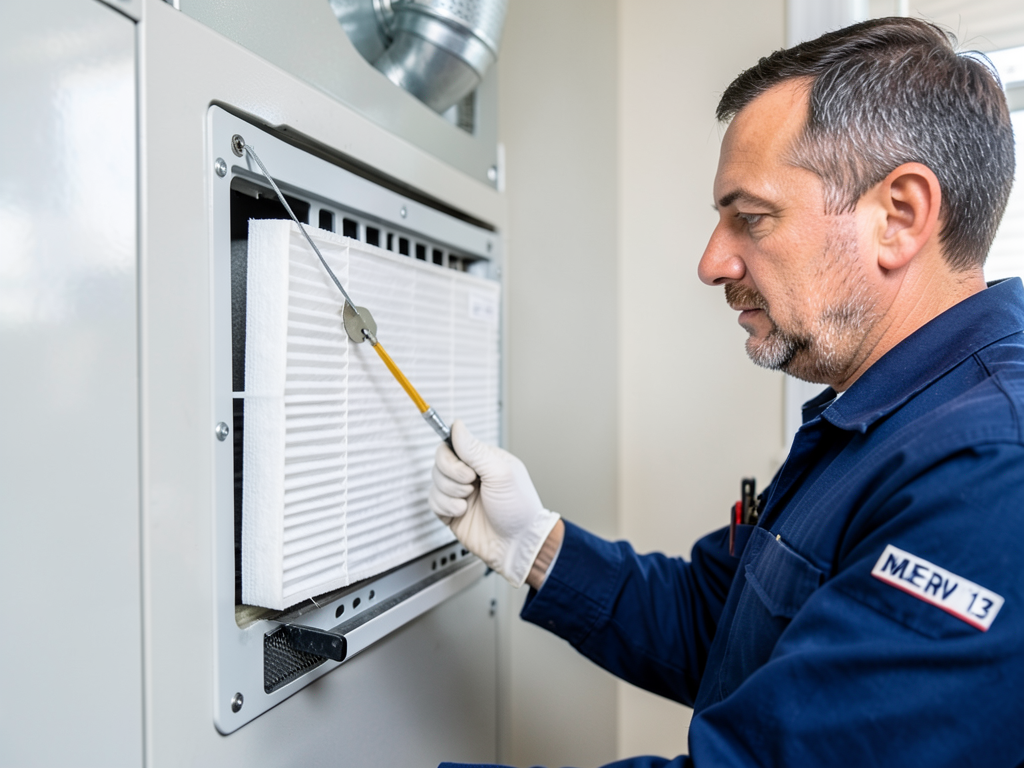
The Minimum Efficiency Reporting Value (MERV) scale rates filters from 1 to 16. For ragweed and pollen control in Parkville Woods, MERV 11 to MERV 13 filters offer the best balance. These capture particles as small as 1-3 microns while maintaining adequate airflow for most residential systems.
Standard fiberglass filters rated MERV 1-4 catch only large particles like dust and lint. They miss ragweed pollen entirely. High-efficiency filters rated MERV 14-16 capture more allergens but can restrict airflow in older systems, causing the blower motor to work harder and potentially freeze the evaporator coil.
Best Filter Options for Parkville Woods Homes
Several filter types work well for controlling ragweed and pollen. Pleated synthetic filters rated MERV 11-13 trap pollen, mold spores, and pet dander while allowing good airflow. These filters cost more than basic fiberglass but last longer and capture significantly more allergens.
Media filter cabinets offer superior performance for severe allergy sufferers. These 4-5 inch thick filters provide more surface area than standard 1-inch filters, allowing better airflow while capturing more particles. The larger size means you change them less frequently – typically every 6-12 months instead of every 1-3 months.
HEPA filters capture 99.97% of particles 0.3 microns or larger. While extremely effective, they require special housing and may need system modifications. Most Parkville Woods homes achieve excellent results with properly sized MERV 13 filters without the expense of HEPA conversion. EPA Indoor Air Quality.
Electrostatic filters use charged fibers to attract particles. Washable versions save money over time but require monthly cleaning. Disposable electrostatic filters offer convenience but create more waste. Both types work well for pollen control when properly maintained.
Humidity Control: The Hidden Factor
High humidity in Parkville Woods creates perfect conditions for mold growth inside your HVAC system. When humidity stays above 60%, mold spores multiply rapidly on cooling coils, in ductwork, and even on filters themselves. This creates a cycle where your air quality actually gets worse over time.
Ideal indoor humidity for allergy sufferers ranges from 30-50%. Below 30%, your respiratory system dries out. Above 50%, dust mites and mold thrive. Many Parkville Woods homes need dehumidification during summer months to maintain healthy humidity levels.
Whole-house dehumidifiers work with your existing HVAC system to remove excess moisture. These units can extract 70-100 pints of water per day from your home’s air. They’re especially valuable in Parkville Woods where summer humidity often exceeds 70%.
Smart thermostats with humidity sensors help monitor conditions. When humidity rises above your set point, the system activates to remove moisture. This prevents mold growth while maintaining comfortable temperatures. Smart Thermostat Benefits.
Filter Replacement Schedule for Parkville Woods
Parkville’s pollen seasons require more frequent filter changes than the standard every-three-months recommendation. During peak ragweed season in September and October, check your filter monthly. Heavy pollen counts can clog filters in just 30 days, reducing airflow and system efficiency.. Read more about Reducing Highway Noise and Exhaust Fumes in Your Rosedale Home with Better HVAC Filtration.
Spring brings oak and hickory pollen that also demands attention. Check filters in April and May when tree pollen counts peak. Summer grass pollen and winter dust require quarterly changes at minimum.
Signs your filter needs replacement include visible dust buildup, reduced airflow from vents, and increased allergy symptoms among family members. If you have pets, check filters more frequently since pet dander combines with pollen to create a heavier particle load.
Media filters in cabinets typically last 6-12 months but should be inspected every three months. The larger surface area means they trap more particles before restricting airflow. However, during severe allergy seasons, even these may need earlier replacement.
Beyond Filters: Complete Indoor Air Quality
Filters alone cannot solve all indoor air quality problems. Your HVAC system needs regular maintenance to prevent mold growth and ensure proper airflow. Annual professional cleaning removes buildup on coils and in ductwork that filters cannot reach.
UV light systems installed in your ductwork kill mold, bacteria, and viruses. These lights work continuously to sanitize the air as it passes through your system. In Parkville Woods where humidity promotes mold growth, UV lights provide an extra layer of protection.
Air purifiers with activated carbon filters remove odors, VOCs, and some chemical pollutants that standard filters miss. These units work alongside your HVAC system to clean air in specific rooms where family members spend the most time.
Proper ventilation prevents stale air and moisture buildup. Energy recovery ventilators (ERVs) exchange indoor air with fresh outdoor air while recovering heating or cooling energy. This reduces humidity and brings in filtered fresh air without wasting energy.
Common Mistakes That Make Allergies Worse
Many Parkville Woods families make simple mistakes that undermine their allergy control efforts. Using the wrong filter size allows air to bypass the filter entirely. Gaps around the filter frame let unfiltered air circulate through your home.
Ignoring duct leaks means you’re filtering some air while other air enters directly from attics, crawl spaces, or wall cavities. These areas often contain dust, insulation particles, and other allergens that bypass your filtration system entirely.
Running your system with a clogged filter strains the blower motor and reduces efficiency. The motor works harder, using more electricity while moving less air. This creates negative pressure that can pull unfiltered air through gaps in your home’s envelope.
Skipping maintenance allows mold and bacteria to grow on cooling coils. When the system runs, it spreads these contaminants through your home. Regular coil cleaning prevents this problem and maintains system efficiency.
Professional Solutions for Severe Allergies
Families with severe allergies often need professional intervention beyond standard filter changes. Duct cleaning removes accumulated dust, pollen, and mold that standard maintenance misses. Professional cleaning uses specialized equipment to dislodge and remove contaminants from your entire duct system.
System upgrades may be necessary for homes with older HVAC equipment. Many Parkville Woods homes built before 2000 have systems that cannot accommodate high-efficiency filters without modifications. Professional assessment determines whether your system needs upgrades to handle better filtration.
Humidity control systems require professional installation to integrate properly with existing HVAC equipment. These systems must be sized correctly for your home’s square footage and local climate conditions.
Air quality testing identifies specific contaminants in your home. Professional testing reveals whether pollen, mold, VOCs, or other pollutants are causing your symptoms. This information guides the most effective solutions for your specific situation.
Cost Considerations and ROI
Investing in better air quality pays dividends beyond allergy relief. High-efficiency filters cost $15-40 each compared to $5-10 for basic fiberglass. However, they last longer and capture more particles, reducing the need for dusting and cleaning.
Media filter cabinets cost $200-400 plus installation but only need replacement annually. Over five years, this often costs less than replacing standard filters every three months. The improved air quality and reduced system strain provide additional value.
UV light systems cost $500-1,500 installed but eliminate the need for frequent coil cleaning and prevent mold-related repairs. These systems typically pay for themselves through energy savings and prevented maintenance within three to five years. Same day furnace repair services for families in Lee’s Summit.
Professional duct cleaning costs $300-600 for most Parkville Woods homes. This service should be performed every 3-5 years or when you notice visible dust around vents or experience worsening allergy symptoms.
Local Resources and Support
Several local organizations help Parkville Woods families manage allergies. The Platte County Health Department provides pollen count data and air quality alerts. Their website offers current counts and forecasts to help you prepare for high pollen days.
Local HVAC contractors familiar with Parkville Woods understand the specific challenges of river valley humidity and seasonal pollen patterns. They can recommend systems and solutions proven effective in this microclimate.
Local hardware stores stock filters and air quality products suitable for our area. Staff familiar with local conditions can help you choose products that work well in Parkville’s specific environment.
Community groups often share information about effective solutions and local service providers. Online forums and neighborhood groups provide real-world feedback about what works in Parkville Woods homes.
Emergency Situations and When to Call Professionals
Certain situations require immediate professional attention. If family members experience severe allergy attacks, respiratory distress, or asthma symptoms that don’t respond to medication, your indoor air quality may have reached dangerous levels.
Visible mold growth around vents or in ductwork indicates moisture problems that filters cannot solve. This requires professional remediation to prevent health risks and further system damage. Storm Damage HVAC Repair.
Unusual system noises, reduced airflow, or ice formation on coils suggest your system is struggling. These symptoms often indicate filter problems or system issues that require professional diagnosis.
If you’ve tried multiple solutions without improvement, professional assessment can identify hidden problems. Sometimes the solution involves duct repairs, system modifications, or addressing moisture sources that aren’t obvious to homeowners. Who to call for 24 hour emergency AC repair in Shawnee when the heat index spikes.
Taking Action Today
Improving your indoor air quality starts with a simple filter check. Look at your current filter – if it’s clogged with dust or you can’t remember the last time you changed it, you’re breathing contaminated air right now.
Choose a MERV 11-13 filter appropriate for your system. Check the filter slot for gaps or damage that let air bypass the filter. Set calendar reminders for monthly checks during peak pollen seasons.
Monitor your family’s allergy symptoms. If they worsen indoors, your air quality needs attention. Track symptoms against local pollen counts to identify patterns and determine if your current solutions are working.
Consider a professional assessment if symptoms persist despite your efforts. Sometimes the solution requires system modifications or addressing issues you cannot see or access yourself.
Frequently Asked Questions
What MERV rating should I use for ragweed allergies?
MERV 11-13 filters capture ragweed pollen effectively while maintaining good airflow for most residential systems. MERV 13 offers the best balance of allergen removal and system performance for Parkville Woods homes.
How often should I change my filter during ragweed season?
Check your filter monthly during September and October when ragweed counts peak. Heavy pollen loads can clog filters in 30 days or less, reducing system efficiency and air quality.
Can my HVAC system handle HEPA filters?
Most residential systems require modifications to accommodate HEPA filters. Standard systems work well with MERV 13 filters, which capture 90% of ragweed pollen without restricting airflow or straining the blower motor.
What causes mold in HVAC systems?
High humidity levels above 60% create conditions for mold growth on cooling coils and in ductwork. Parkville Woods’ river valley humidity makes mold control especially important for local homeowners.
How much does professional duct cleaning cost?
Professional duct cleaning for most Parkville Woods homes costs $300-600. This service removes accumulated dust, pollen, and mold that standard maintenance cannot reach, improving air quality and system efficiency.
Should I run my fan continuously for better air quality?
Running your fan continuously improves filtration but increases energy costs. Use this strategy during severe allergy seasons or when pollen counts are high, then return to automatic operation to save energy.
How do I know if my filter is working properly?
Check for visible dust buildup on the filter, reduced airflow from vents, and increased allergy symptoms. If you notice these signs, your filter may be clogged or the wrong size for your system.
Can air purifiers help with ragweed allergies?
Room air purifiers with HEPA filters provide additional protection in bedrooms and living areas. They work alongside your HVAC system to remove allergens from specific spaces where family members spend the most time.
What’s the best way to reduce humidity in my home?
Whole-house dehumidifiers integrated with your HVAC system provide the most effective humidity control. Portable dehumidifiers work for specific rooms but require manual emptying and don’t address the entire home.
How long does it take to notice improvements in air quality?
You may notice reduced dust and improved breathing within 24-48 hours of installing better filters. However, it can take several weeks to see full benefits as your system clears accumulated contaminants from ductwork.
Take Control of Your Indoor Air Quality Today
Your family deserves to breathe clean, healthy air free from ragweed and pollen. The right HVAC solutions can transform your Parkville Woods home from an allergy trap into a comfortable refuge during peak pollen seasons.
Don’t wait until symptoms become severe. Check your filter today and consider upgrading if it’s basic fiberglass or more than three months old. Small changes can make a big difference in your family’s comfort and health.
Ready to improve your indoor air quality? Call (816) 473-9177 today to schedule your inspection. Our local experts understand Parkville Woods’ unique challenges and can recommend solutions that work for your specific situation. Pick up the phone and call (816) 473-9177 before the next pollen surge hits.
Your HVAC system is your home’s lungs. Make sure it’s filtering out the allergens that make your family miserable. With the right filters, maintenance, and professional support, you can enjoy your Parkville Woods home year-round without suffering through allergy season. For more information, visit ASHRAE HVAC Standards.
You may also find this helpful. Keeping Canadian Wildfire Smoke and Summer Haze Out of Your Overland Park Home.
You may also find this helpful. Why Your Northland Home Still Feels Dusty Even After You Clean.
{
“@context”: “https://schema.org”,
“@type”: “BlogPosting”,
“headline”: “Controlling Ragweed and Pollen Indoors for Families Living in the Parkville Woods”,
“description”: “Struggling with ragweed and pollen in Parkville Woods? Learn how to control indoor allergens with MERV filters, humidity control, and professional HVAC solutions.”,
“wordCount”: 2553,
“datePublished”: “2026-04-16T09:32:00.000Z”,
“dateModified”: “2026-04-16T09:32:00.000Z”,
“inLanguage”: “en-US”,
“mainEntityOfPage”: {
“@type”: “WebPage”,
“@id”: “https://unitedhvackansascity.com”
},
“publisher”: {
“@type”: “LocalBusiness”,
“name”: “United HVAC Kansas City”,
“url”: “https://unitedhvackansascity.com”
},
“author”: {
“@type”: “Organization”,
“name”: “United HVAC Kansas City”,
“url”: “https://unitedhvackansascity.com”
},
“image”: {
“@type”: “ImageObject”,
“url”: “https://unitedhvackansascity.com/wp-content/uploads/2026/03/controlling-ragweed-and-pollen-indoors-for-familie-1.png”
}
}
{
“@context”: “https://schema.org”,
“@type”: “HVACBusiness”,
“name”: “United HVAC Kansas City”,
“url”: “https://unitedhvackansascity.com”,
“address”: {
“@type”: “PostalAddress”,
“addressLocality”: “Kansas City”
},
“areaServed”: {
“@type”: “City”,
“name”: “Kansas City”
}
}
{
“@context”: “https://schema.org”,
“@type”: “FAQPage”,
“mainEntity”: [
{
“@type”: “Question”,
“name”: “What MERV rating should I use for ragweed allergies?”,
“acceptedAnswer”: {
“@type”: “Answer”,
“text”: “MERV 11-13 filters capture ragweed pollen effectively while maintaining good airflow for most residential systems. MERV 13 offers the best balance of allergen removal and system performance for Parkville Woods homes.”
}
},
{
“@type”: “Question”,
“name”: “How often should I change my filter during ragweed season?”,
“acceptedAnswer”: {
“@type”: “Answer”,
“text”: “Check your filter monthly during September and October when ragweed counts peak. Heavy pollen loads can clog filters in 30 days or less, reducing system efficiency and air quality.”
}
},
{
“@type”: “Question”,
“name”: “Can my HVAC system handle HEPA filters?”,
“acceptedAnswer”: {
“@type”: “Answer”,
“text”: “Most residential systems require modifications to accommodate HEPA filters. Standard systems work well with MERV 13 filters, which capture 90% of ragweed pollen without restricting airflow or straining the blower motor.”
}
},
{
“@type”: “Question”,
“name”: “What causes mold in HVAC systems?”,
“acceptedAnswer”: {
“@type”: “Answer”,
“text”: “High humidity levels above 60% create conditions for mold growth on cooling coils and in ductwork. Parkville Woods’ river valley humidity makes mold control especially important for local homeowners.”
}
},
{
“@type”: “Question”,
“name”: “How much does professional duct cleaning cost?”,
“acceptedAnswer”: {
“@type”: “Answer”,
“text”: “Professional duct cleaning for most Parkville Woods homes costs $300-600. This service removes accumulated dust, pollen, and mold that standard maintenance cannot reach, improving air quality and system efficiency.”
}
},
{
“@type”: “Question”,
“name”: “Should I run my fan continuously for better air quality?”,
“acceptedAnswer”: {
“@type”: “Answer”,
“text”: “Running your fan continuously improves filtration but increases energy costs. Use this strategy during severe allergy seasons or when pollen counts are high, then return to automatic operation to save energy.”
}
},
{
“@type”: “Question”,
“name”: “How do I know if my filter is working properly?”,
“acceptedAnswer”: {
“@type”: “Answer”,
“text”: “Check for visible dust buildup on the filter, reduced airflow from vents, and increased allergy symptoms. If you notice these signs, your filter may be clogged or the wrong size for your system.”
}
},
{
“@type”: “Question”,
“name”: “Can air purifiers help with ragweed allergies?”,
“acceptedAnswer”: {
“@type”: “Answer”,
“text”: “Room air purifiers with HEPA filters provide additional protection in bedrooms and living areas. They work alongside your HVAC system to remove allergens from specific spaces where family members spend the most time.”
}
},
{
“@type”: “Question”,
“name”: “What’s the best way to reduce humidity in my home?”,
“acceptedAnswer”: {
“@type”: “Answer”,
“text”: “Whole-house dehumidifiers integrated with your HVAC system provide the most effective humidity control. Portable dehumidifiers work for specific rooms but require manual emptying and don’t address the entire home.”
}
},
{
“@type”: “Question”,
“name”: “How long does it take to notice improvements in air quality?”,
“acceptedAnswer”: {
“@type”: “Answer”,
“text”: “You may notice reduced dust and improved breathing within 24-48 hours of installing better filters. However, it can take several weeks to see full benefits as your system clears accumulated contaminants from ductwork.”
}
}
]
}
{
“@context”: “https://schema.org”,
“@type”: “BreadcrumbList”,
“itemListElement”: [
{
“@type”: “ListItem”,
“position”: 1,
“name”: “Home”,
“item”: “https://unitedhvackansascity.com”
},
{
“@type”: “ListItem”,
“position”: 2,
“name”: “Blog”,
“item”: “https://unitedhvackansascity.com/blog”
},
{
“@type”: “ListItem”,
“position”: 3,
“name”: “Controlling Ragweed and Pollen Indoors for Families Living in the Parkville Woods”
}
]
}
{
“@context”: “https://schema.org”,
“@type”: “Service”,
“serviceType”: “HVAC”,
“provider”: {
“@type”: “LocalBusiness”,
“name”: “United HVAC Kansas City”,
“url”: “https://unitedhvackansascity.com”
},
“areaServed”: {
“@type”: “City”,
“name”: “Kansas City”
},
“description”: “Struggling with ragweed and pollen in Parkville Woods? Learn how to control indoor allergens with MERV filters, humidity control, and professional HVAC solutions.”
}