




Menu

Uneven Heating or Cooling in Kansas City | Expert Diagnosis and Permanent Airflow Solutions

Stop fighting hot and cold spots in your home. United HVAC Kansas City delivers precision airflow diagnostics and targeted system corrections that eliminate inconsistent room temperatures for good.

Slider Image 1
Slider Image 2
Slider Image 3
Slider Image 4
Slider Image 5
Slider Image 7
Slider Image 8
Slider Image 9
Slider Image 10
Slider Image 11

Why Kansas City Homes Struggle with Temperature Balance

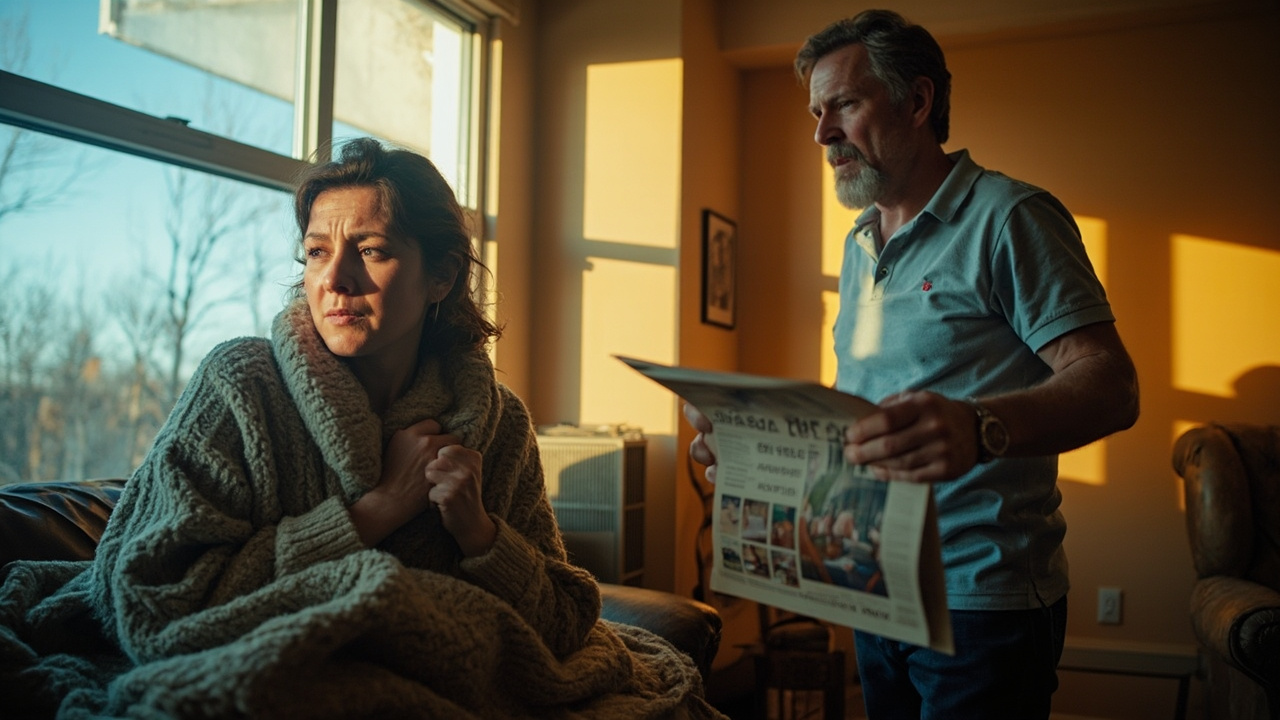
You walk from your freezing bedroom to a stuffy living room. Your thermostat reads 72, but your reality is 65 in one room and 78 in another. You are not imagining it. Home temperature imbalance is one of the most common HVAC complaints in Kansas City, and the local climate makes it worse.

Kansas City's extreme temperature swings put unique pressure on forced-air systems. We see 100-degree summers and subzero winters, which means your HVAC runs harder and longer than systems in milder climates. That extended runtime exposes every weakness in your ductwork, every undersized return vent, and every poorly balanced damper.

The age of housing stock in neighborhoods like Brookside and Waldo compounds the problem. Homes built in the 1920s through 1950s were retrofitted with central air decades after construction. Contractors crammed ductwork into crawl spaces and attics never designed for it. The result is kinked flex ducts, disconnected boots, and uninsulated runs that bleed conditioned air into your attic while your second floor bakes.

Different temperatures in each room also stem from poor zoning in multi-story homes. Hot air rises. Your furnace pushes warm air upstairs in winter, creating a sauna on the second floor while your basement stays cold. In summer, your AC struggles to pull enough return air from upper levels, leaving hot and cold spots throughout the house.

Uneven airflow distribution is not a comfort issue. It is an efficiency killer. Your system runs longer to satisfy one zone, wasting energy while overcooling or overheating other areas. You pay more every month and still cannot get comfortable.

Why Kansas City Homes Struggle with Temperature Balance
How We Fix Inconsistent Room Temperatures Permanently

How We Fix Inconsistent Room Temperatures Permanently

We do not guess. United HVAC Kansas City starts every diagnosis with a room-by-room airflow audit. We measure cubic feet per minute at every supply register and return grille using a calibrated anemometer. This tells us exactly where your system is over-delivering, under-delivering, or leaking conditioned air.

Next, we conduct a static pressure test. High static pressure means your ductwork is choking your system. Crimped ducts, closed dampers, or undersized returns create backpressure that reduces airflow and overworks your blower motor. We measure pressure drop across your filter, coil, and duct runs to pinpoint restrictions.

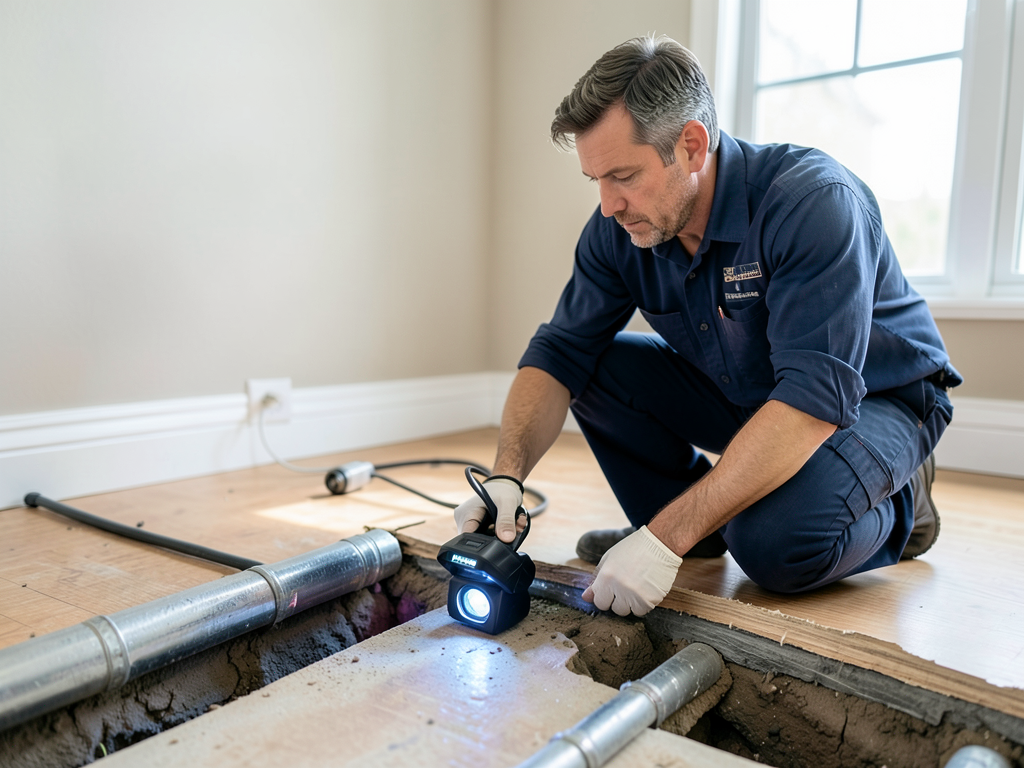
We inspect your duct system from end to end. In Kansas City, we find disconnected boots in crawl spaces, collapsed flex ducts in attics, and missing dampers on multi-story systems. We check for leaks using a blower door test when necessary. Duct leakage rates above 10 percent rob you of conditioned air before it reaches your living spaces.

Manual dampers get evaluated and adjusted. Most homes have balancing dampers installed at trunk branches, but they are rarely set correctly. We adjust dampers to redirect airflow to rooms that need it, reducing supply to over-served zones and increasing it to starved areas.

For homes with severe imbalance, we recommend zoning systems. A two-zone or three-zone setup uses motorized dampers controlled by multiple thermostats. Each zone gets independent temperature control. Your upstairs stops overheating in summer. Your basement stops freezing in winter. The system delivers the right amount of conditioned air to each space based on real-time demand.

We also evaluate your return air pathways. Undersized return ducts create negative pressure that starves your system. We add return vents or enlarge existing pathways to improve circulation and reduce hot and cold spots.

What Happens During Your Airflow Balance Service

Uneven Heating or Cooling in Kansas City | Expert Diagnosis and Permanent Airflow Solutions
01

Airflow Measurement and Mapping

We measure airflow at every register in your home using precision tools. You get a detailed map showing which rooms receive too much air, which get too little, and where your system is wasting energy. This data drives every correction we make, so nothing is left to guesswork.
02

Duct Inspection and Repair

We access your ductwork in the attic, crawl space, and basement to find leaks, disconnects, and damage. Flex ducts get straightened or replaced. Boots get resealed. Dampers get adjusted or installed. We fix the hidden problems that create uneven airflow distribution and drive up your energy bills.
03

System Testing and Verification

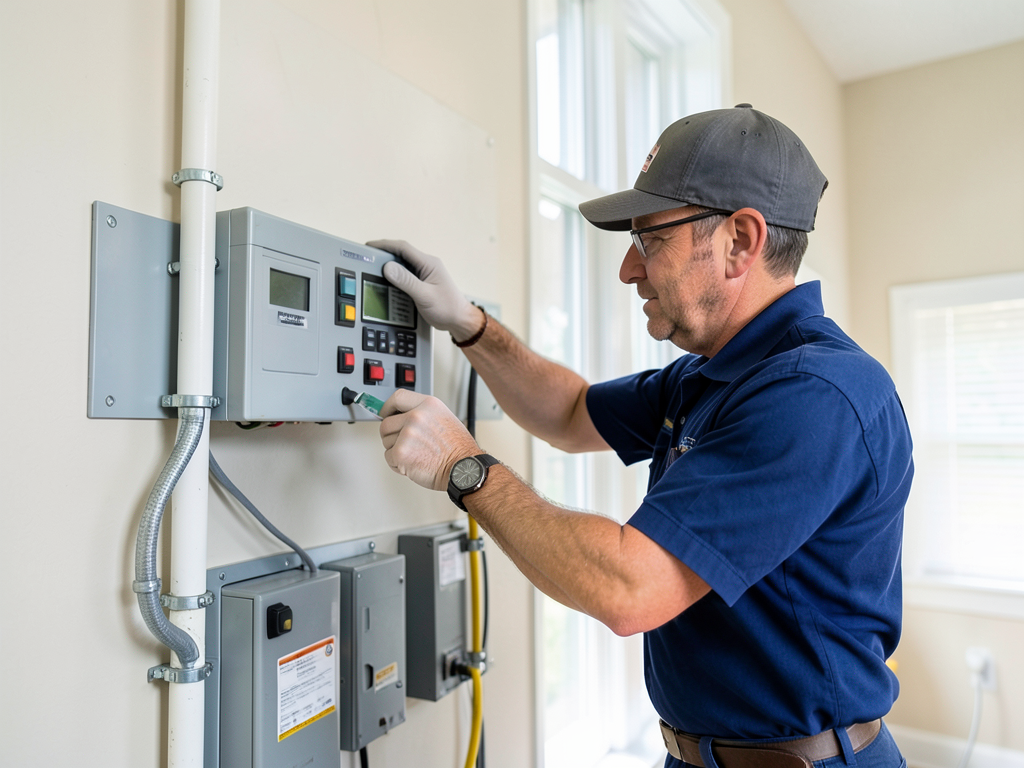
After corrections, we retest airflow at every register to confirm balance. You see the before and after numbers. We verify that static pressure is within manufacturer specifications and that your system delivers consistent temperatures to every room. You get documentation of the work and measurable proof of improvement.

Why Kansas City Homeowners Choose United HVAC for Temperature Balance Issues

Most HVAC companies treat uneven heating or cooling as a thermostat problem or a capacity issue. They sell you a bigger system or a smart thermostat and send you on your way. The hot and cold spots remain because they never addressed the real problem, which is almost always airflow.

United HVAC Kansas City approaches temperature imbalance as a diagnostic challenge. We do not sell you equipment until we understand why your current system is failing. In 15 years serving the Kansas City metro, we have learned that duct issues cause 70 percent of comfort complaints. Fixing ducts is cheaper than replacing equipment and delivers better results.

We know the quirks of Kansas City housing. Homes in Hyde Park and Armour Hills have radiant heat systems retrofitted with AC. The ductwork was sized for cooling only, which creates airflow problems in winter. Ranch homes in Prairie Village have long duct runs that lose pressure before reaching end zones. Two-story homes in Leawood have inadequate return air pathways on upper floors.

Our technicians are trained in Manual D duct design and ACCA airflow protocols. We do not eyeball duct sizing. We calculate friction loss, measure velocity, and verify that your system meets ASHRAE standards for residential air distribution. That level of precision is rare in the service industry, but it is the only way to eliminate inconsistent room temperatures permanently.

We also understand Kansas City building codes and permit requirements. If your repair involves modifying ductwork or adding zones, we pull the necessary permits and schedule inspections. You get work that is compliant, safe, and built to last.

You are not locked into a maintenance plan or a service contract. We fix the problem, verify the result, and give you documentation. If you want ongoing maintenance, we offer it. If you just want the issue resolved, we do that and move on.

What to Expect When You Call United HVAC Kansas City

Fast Scheduling and Transparent Pricing

We schedule most diagnostic visits within 48 hours. You get a two-hour arrival window, and we call 30 minutes before we arrive. The diagnostic visit includes airflow testing, visual duct inspection, and static pressure measurement. You get a written report with findings and a flat-rate quote for corrections. No hourly billing. No surprise charges. You approve the work before we start, and the price does not change.

Comprehensive Airflow Diagnosis

Our technicians spend 90 minutes to two hours on a full airflow audit. We measure every register, inspect accessible ductwork, and test system pressures. You see the data in real time. We explain what is causing your temperature imbalance and show you the specific ducts, dampers, or returns that need correction. You get photos of problem areas and a prioritized list of repairs. If your issue requires a blower door test or thermal imaging, we schedule that separately.

Guaranteed Temperature Consistency

After we balance your system, you should see temperature consistency within three degrees across all rooms during normal operation. We verify this with post-repair airflow measurements and static pressure testing. If your home still has hot and cold spots after our corrections, we return and make additional adjustments at no charge. You pay for results, not attempts. Most airflow balance jobs are completed in one visit, with same-day verification testing.

Maintenance Recommendations and Follow-Up

Balanced airflow stays balanced if you maintain your system. We provide a maintenance checklist that includes filter changes, damper adjustments, and seasonal blower speed checks. If you want ongoing service, we offer annual tune-ups that include airflow spot checks and duct inspections. You are not required to enroll. Many customers handle their own maintenance using the guidelines we provide. We are available for follow-up questions by phone or email at no charge.

Frequently Asked Questions

You Have Questions,
We Have Answers

Is uneven heating normal? +

No. Uneven heating signals a problem with your system. You should notice consistent temperatures throughout your home. In Kansas City, where winters swing between mild and freezing, uneven heating often points to ductwork leaks, poor insulation, or an undersized furnace. You might also have blocked vents, dirty filters, or a failing blower motor. Two-story homes struggle more due to hot air rising. If one room stays cold while others overheat, your system works harder and costs you more. Get a diagnostic inspection to pinpoint the cause before winter hits full force.

Is 70 heat the same as 70 cool? +

No. Your heat pump or furnace produces air around 95-100 degrees when heating. Your AC produces air around 55 degrees when cooling. Both aim to reach 70 degrees at the thermostat, but the delivery feels different. Heating warms gradually from the floor up. Cooling drops cold air from vents above. In Kansas City's humid summers, 70 degrees cooling feels colder because AC also removes moisture. In dry winter air, 70 degrees heating can feel warmer but less comfortable if humidity drops too low. The physics differ even if the target temperature matches.

What is the $5000 rule for HVAC? +

The $5000 rule helps you decide between repair and replacement. Take your system's age and multiply it by the repair cost. If the total exceeds $5000, replace the unit instead of repairing it. For example, a 12-year-old furnace needs a $500 repair. That equals $6000, so replacement makes more sense. Kansas City's temperature swings stress HVAC systems hard. Units older than 15 years often fail repeatedly. Factor in energy savings from newer models and rising refrigerant costs for older AC units. This rule prevents throwing money at a dying system.

How to fix uneven heating? +

Start by checking air filters and replacing them if dirty. Inspect vents in every room to ensure furniture or rugs do not block airflow. Close vents in unused rooms to redirect air elsewhere. If you have a multi-story home in Kansas City, consider adding a damper system to control airflow between floors. Check ductwork in your basement or crawlspace for disconnected joints or visible holes. Seal leaks with mastic sealant. If problems persist, you need professional duct testing and balancing. Poor insulation in attics or crawlspaces also causes uneven heating and requires upgrades.

Why is half my house hot and half cold? +

Your home likely has undersized ductwork, a failing blower motor, or severe duct leaks. In Kansas City's older homes, original ductwork often cannot handle modern HVAC demands. Two-story homes struggle because heat rises and cold air sinks. Your system pushes air to the nearest rooms first, leaving distant rooms starved for airflow. Closed or blocked vents worsen the issue. Insufficient insulation in walls or attics allows outdoor temperatures to creep in. Sometimes your system runs a single-zone setup when you need multiple zones. A load calculation and duct inspection reveal the root cause.

Do I need a plumber to balance my radiators? +

Not for most radiator systems. You can balance hydronic radiators yourself by adjusting the flow valve on each unit. Turn the valve clockwise to reduce flow to rooms that overheat. Turn it counterclockwise to increase flow to cold rooms. If you have a steam radiator system common in older Kansas City homes, check for air trapped in the lines. Bleed radiators using the valve at the top until water flows steadily. If radiators stay cold despite adjustments, you need a plumber to check the boiler, circulator pump, or piping for clogs or failures.

What is the 3 minute rule for AC? +

Wait at least three minutes before restarting your AC after it shuts off. This allows refrigerant pressure to equalize between the compressor and evaporator coil. Restarting too quickly forces the compressor to work against high pressure, which damages internal components and shortens lifespan. Kansas City's humid summers make compressors work overtime. If your AC short cycles and stops every few minutes, you have a bigger problem like a failing capacitor, low refrigerant, or a bad thermostat. Short cycling wastes energy and prevents proper dehumidification. Address cycling issues immediately to avoid compressor failure.

Why does my house feel cold at 73 in winter? +

Your thermostat reads 73, but radiant heat loss makes you feel colder. In winter, your body radiates heat toward cold windows, walls, and floors. Poor insulation in older Kansas City homes worsens this effect. Dry winter air also makes 73 degrees feel less comfortable because low humidity pulls moisture from your skin. Your furnace might also be short cycling and failing to distribute heat evenly. Check for drafts around windows and doors. Add weatherstripping and increase insulation in attics and crawlspaces. A whole-home humidifier helps winter air feel warmer at lower thermostat settings.

How long should it take to cool a house from 78 to 74? +

About 30 to 45 minutes in a properly functioning system. Kansas City's summer humidity slows cooling because your AC must remove moisture before lowering temperature. A four-degree drop should not take hours. If it does, your system is undersized, low on refrigerant, or struggling with dirty coils. Check your air filter first. A clogged filter chokes airflow and kills efficiency. Outdoor units covered in cottonwood seeds or dirt cannot shed heat properly. If your AC runs constantly without reaching the setpoint, you need refrigerant testing and a capacity evaluation before the system fails completely.

What are signs my HVAC needs replacing? +

Watch for frequent repairs, rising energy bills, and inconsistent temperatures. Systems older than 15 years approach replacement age. Listen for grinding, banging, or squealing noises that indicate motor or compressor failure. If your furnace or AC struggles to maintain temperature in Kansas City's extreme weather, it has lost capacity. Yellow pilot light flames signal dangerous carbon monoxide risks in gas furnaces. R-22 refrigerant for older AC units costs more each year as supplies dwindle. Rust, cracks, or soot around your furnace demand immediate replacement. Calculate repair costs using the $5000 rule before investing in aging equipment.

How Kansas City's Climate Extremes Amplify Home Temperature Imbalance

Kansas City experiences 40 to 50 days per year with temperatures above 90 degrees and another 10 to 15 days below zero. Your HVAC system cycles more frequently and runs longer than systems in temperate climates. This extended runtime exposes airflow deficiencies that would go unnoticed in milder regions. A duct leak that wastes five percent of your airflow in spring becomes a 15 percent loss in July when your AC runs 12 hours a day. The freeze-thaw cycles common in Kansas City also cause duct connections to separate in attics and crawl spaces, creating uneven airflow distribution that worsens every winter.

Local building practices in Kansas City also contribute to temperature imbalance. Many homes in historic neighborhoods like Westport and the Crossroads were built before central air was common. Ductwork was added later, often by contractors who prioritized cost over airflow design. The result is undersized ducts, poorly placed returns, and missing dampers. United HVAC Kansas City has worked in hundreds of these homes. We know the common retrofit mistakes and how to correct them without tearing open walls or ceilings. That local experience matters when you need targeted repairs that respect your home's age and construction.

HVAC Services in The Kansas City Area

View our service area and business location on the map below. We are proud to serve the entire Kansas City metro area, providing expert heating and cooling services to both residential and commercial clients. If you need a reliable HVAC partner, we are conveniently located to respond quickly to your needs, ensuring your indoor comfort is always our top priority.

Address:
United HVAC Kansas City, 1425 Agnes Ave, Kansas City, MO, 64127

Additional Services We Offer

Our news updates

Latest Articles & News from The Blogs

Comparing Mitsubishi and Daikin ductless systems for local homes When Kansas City homeowners face the decision between Mitsubishi and Daikin…

Comparing Mitsubishi and Daikin ductless systems for local homes

Comparing Mitsubishi and Daikin ductless systems for local homes When Kansas City homeowners face the decision between Mitsubishi and Daikin…

Protecting your piano and acoustic guitars from Kansas City humidity swings

Protecting Your Piano and Acoustic Guitars from Kansas City Humidity Swings\n\nYour musical instruments are more than just objects. They are…

Specialized Climate Control Tips for Indoor Gardeners and Hobbyists in the West Bottoms

Specialized Climate Control Tips for Indoor Gardeners and Hobbyists in the West Bottoms The West Bottoms industrial district faces unique…

Contact Us

Call United HVAC Kansas City at (816) 473-9177 to schedule your airflow diagnostic. We will measure, diagnose, and fix your temperature imbalance with precision repairs that deliver consistent comfort in every room.