
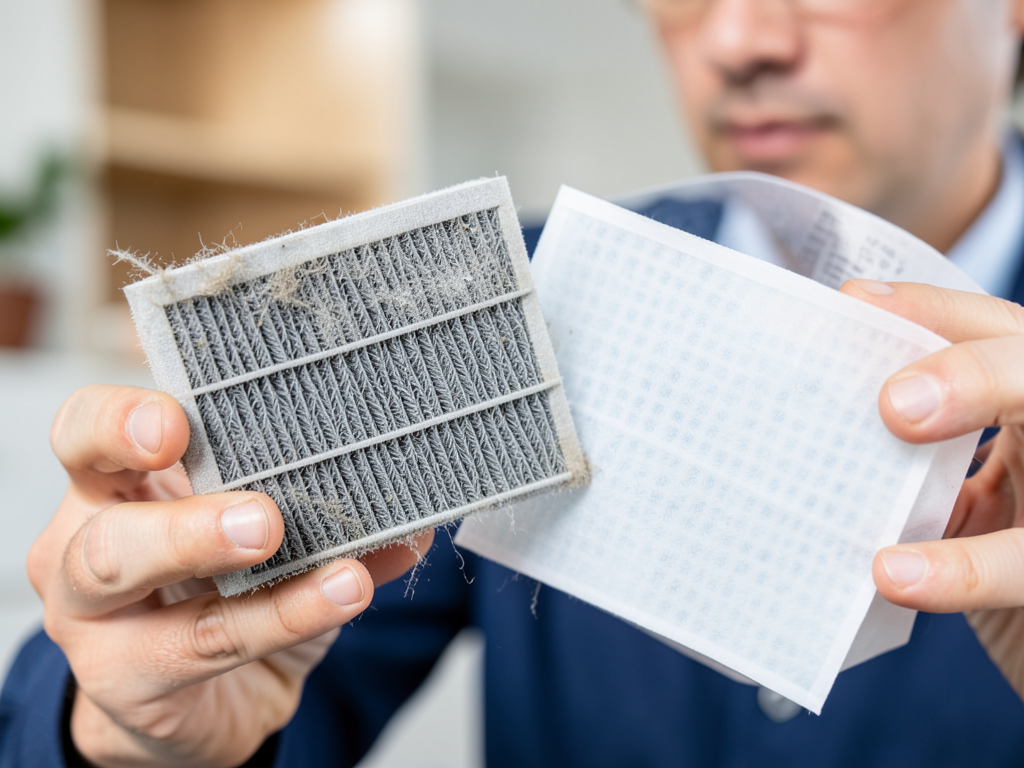
Why Your Northland Home Still Feels Dusty Even After You Clean
If you live in the Kansas City Northland and find yourself dusting surfaces just hours after cleaning you are not alone. The combination of local construction dust seasonal pollen and aging HVAC systems in homes near Liberty and Parkville creates a perfect storm for persistent indoor dust. This guide breaks down the real causes behind that never-ending layer of dust and what you can do to finally breathe easier. Local HVAC experts for boiler maintenance and repair near the Country Club Plaza.
Why is My Kansas City Home So Dusty? (HVAC vs. Lifestyle)
Many homeowners assume dust is just a fact of life but in the Northland excessive dust often points to specific mechanical and environmental factors. Kansas City’s high humidity levels in summer create ideal conditions for dust mites while the area’s clay-heavy soil contributes fine particulate matter that infiltrates homes through tiny gaps. Add in the Midwest’s dramatic seasonal swings and older ductwork common in mid-century ranch homes near Liberty Square and you have a recipe for constant dust circulation. HVAC Liberty.
Lifestyle habits like open windows during high pollen days or pets that shed heavily can make things worse but the root cause is often your HVAC system’s inability to filter and contain airborne particles effectively.
5 HVAC Culprits Behind Excessive Household Dust
Before you blame your cleaning routine check these five common HVAC-related sources of dust:. Read more about How to Spot a Duct Cleaning Scam in Liberty and Save Your Money.
- Clogged or low-quality air filters – Standard one-inch fiberglass filters trap less than 20 percent of airborne particles allowing fine dust to recirculate.
- Leaky return ducts – Gaps in ductwork in unconditioned spaces like basements or attics pull in dust and insulation fibers.
- Dirty blower motor and coils – Accumulated grime on these components gets blown into living spaces every time the system runs.
- Negative pressure imbalance – Poor ventilation design can draw dusty outdoor air into the home.
- Lack of whole-home air purification – Without additional filtration systems even high-MERV filters can miss microscopic allergens.
The Role of Filtration: MERV Ratings Explained
Not all air filters are created equal. The Minimum Efficiency Reporting Value or MERV rating measures how effectively a filter captures particles of different sizes. Here is a quick comparison:
| Filter Type | MERV Rating | Particle Capture | Best For |
|---|---|---|---|
| Fiberglass | 1-4 | 10% of large dust | Minimal filtration |
| Pleated | 8-11 | 85% of large dust | Standard homes |
| High-Efficiency | 13+ | 90%+ of fine dust | Allergy sufferers |
Most Northland homes benefit from upgrading to a MERV 11 or 13 filter but only if your HVAC system can handle the increased airflow resistance. A professional can test your system’s static pressure to ensure compatibility.
Leaky Ductwork: How Kansas City Basements Pull in Dust
Kansas City’s expansive clay soil shifts over time which can cause foundation movement and stress on duct connections especially in older Northland neighborhoods. Leaky return ducts in basements or crawl spaces create a vacuum effect that pulls in dust from insulation concrete and even outdoor soil particles.
Common signs of leaky ducts include:
- Excessive dust near vents
- Higher energy bills
- Rooms that are hard to heat or cool
Sealing ducts with products like Aeroseal can reduce dust infiltration by up to 90 percent and improve system efficiency. According to the U.S. Department of Energy sealing leaky ducts can save homeowners up to 20 percent on heating and cooling costs.
Advanced Solutions: Air Scrubbers and Whole-Home Purifiers
If you have upgraded your filter and sealed your ducts but still battle dust consider whole-home air purification. Devices like the iWave ionization system or UV light purifiers target microscopic particles and biological contaminants that standard filters miss.
Benefits of advanced purification include:
- Reduction of airborne allergens by up to 99 percent
- Elimination of mold spores and bacteria
- Neutralization of VOCs from household products
These systems integrate directly into your HVAC ductwork providing continuous cleaning without the need for portable units in every room.
DIY Checklist to Reduce Dust Before Calling a Pro
Before scheduling a professional duct cleaning or air quality audit try these steps:
- Replace your air filter with a pleated MERV 11 or higher model
- Vacuum registers and vents with a HEPA-filter vacuum
- Check for visible gaps or tears in exposed ductwork
- Keep indoor humidity between 30 and 50 percent to discourage dust mites
- Close windows on high-pollen days especially during ragweed season in late summer
If dust levels remain high after these changes it is time for a professional inspection.
When to Schedule a Professional Indoor Air Quality Audit
A thorough IAQ audit includes diagnostic tools like thermal imaging to detect duct leaks particle counters to measure airborne dust and blower door tests to assess building pressure. These tests reveal hidden issues that DIY checks miss.
Consider an audit if you experience:
- Persistent allergy symptoms indoors
- Visible dust buildup within days of cleaning
- Musty odors from vents
- Uneven heating or cooling across rooms
Local building codes in Clay County and the City of Liberty require mechanical ventilation in new construction but many older Northland homes lack proper fresh air intake making professional assessment even more critical.. Read more about Keeping mice and local critters out of your Weatherby Lake HVAC system this winter.
Frequently Asked Questions
Why does my house get so dusty so fast?
Rapid dust buildup is usually caused by a combination of leaky ducts poor filtration and high indoor humidity which allows dust particles to cling to surfaces.
Can a dirty air filter make my house dusty?
Yes a clogged filter restricts airflow and allows more dust to bypass the filter entirely recirculating through your home.
How often should I change my HVAC filter in Kansas City?
During peak cooling and heating seasons replace your filter every one to three months. In homes with pets or allergies monthly replacement is best.
Take Control of Your Indoor Air Quality Today
Living with constant dust is not just annoying it can aggravate allergies and reduce your HVAC system’s efficiency. If you are tired of seeing that same layer of dust return call (816) 473-9177 today to schedule your indoor air quality inspection. Our technicians use advanced diagnostic tools to pinpoint the source of your dust problem and recommend solutions tailored to your Northland home. Do not wait until the next allergy season hits. Pick up the phone and call (816) 473-9177 before the next storm hits and dust levels spike again. Storm Damage HVAC Repair.
You may also find this helpful. Why an oversized furnace is actually making your Northland home less comfortable.
{
“@context”: “https://schema.org”,
“@type”: “BlogPosting”,
“headline”: “Why Your Northland Home Still Feels Dusty Even After You Clean”,
“description”: “Discover why your Kansas City Northland home stays dusty despite cleaning and how local HVAC issues like leaky ducts and poor filtration trap allergens year-round.”,
“wordCount”: 1053,
“datePublished”: “2026-05-07T06:47:00.000Z”,
“dateModified”: “2026-05-07T06:47:00.000Z”,
“inLanguage”: “en-US”,
“mainEntityOfPage”: {
“@type”: “WebPage”,
“@id”: “https://unitedhvackansascity.com”
},
“publisher”: {
“@type”: “LocalBusiness”,
“name”: “United HVAC Kansas City”,
“url”: “https://unitedhvackansascity.com”
},
“author”: {
“@type”: “Organization”,
“name”: “United HVAC Kansas City”,
“url”: “https://unitedhvackansascity.com”
},
“image”: {
“@type”: “ImageObject”,
“url”: “https://unitedhvackansascity.com/wp-content/uploads/2026/03/why-your-northland-home-still-feels-dusty-even-aft-1.png”
}
}
{
“@context”: “https://schema.org”,
“@type”: “HVACBusiness”,
“name”: “United HVAC Kansas City”,
“url”: “https://unitedhvackansascity.com”,
“address”: {
“@type”: “PostalAddress”,
“addressLocality”: “Kansas City”
},
“areaServed”: {
“@type”: “City”,
“name”: “Kansas City”
}
}
{
“@context”: “https://schema.org”,
“@type”: “FAQPage”,
“mainEntity”: [
{
“@type”: “Question”,
“name”: “Why does my house get so dusty so fast?”,
“acceptedAnswer”: {
“@type”: “Answer”,
“text”: “Rapid dust buildup is usually caused by a combination of leaky ducts poor filtration and high indoor humidity which allows dust particles to cling to surfaces.”
}
},
{
“@type”: “Question”,
“name”: “Can a dirty air filter make my house dusty?”,
“acceptedAnswer”: {
“@type”: “Answer”,
“text”: “Yes a clogged filter restricts airflow and allows more dust to bypass the filter entirely recirculating through your home.”
}
},
{
“@type”: “Question”,
“name”: “How often should I change my HVAC filter in Kansas City?”,
“acceptedAnswer”: {
“@type”: “Answer”,
“text”: “During peak cooling and heating seasons replace your filter every one to three months. In homes with pets or allergies monthly replacement is best.”
}
}
]
}
{
“@context”: “https://schema.org”,
“@type”: “BreadcrumbList”,
“itemListElement”: [
{
“@type”: “ListItem”,
“position”: 1,
“name”: “Home”,
“item”: “https://unitedhvackansascity.com”
},
{
“@type”: “ListItem”,
“position”: 2,
“name”: “Blog”,
“item”: “https://unitedhvackansascity.com/blog”
},
{
“@type”: “ListItem”,
“position”: 3,
“name”: “Why Your Northland Home Still Feels Dusty Even After You Clean”
}
]
}
{
“@context”: “https://schema.org”,
“@type”: “Service”,
“serviceType”: “HVAC”,
“provider”: {
“@type”: “LocalBusiness”,
“name”: “United HVAC Kansas City”,
“url”: “https://unitedhvackansascity.com”
},
“areaServed”: {
“@type”: “City”,
“name”: “Kansas City”
},
“description”: “Discover why your Kansas City Northland home stays dusty despite cleaning and how local HVAC issues like leaky ducts and poor filtration trap allergens year-round.”
}