
What the MERV Rating on Your Air Filter Actually Means for Your Kansas City Home
Your air filter is the first line of defense between outdoor allergens and your indoor air. But that number on the side of the filter—the MERV rating—tells you more than just how much dust it catches. It determines how well your HVAC system breathes and whether your furnace or AC will struggle during a Kansas City summer. Same day furnace repair services for families in Lee’s Summit.
A MERV rating between 8 and 11 often provides the best balance for local homes, catching pollen and pet dander without choking airflow. But higher numbers like MERV 13 can strain older systems. The right choice depends on your home’s age, your family’s allergies, and the seasonal allergens floating through the Northland. Local HVAC experts for boiler maintenance and repair near the Country Club Plaza.
What Is a MERV Rating and Why Does It Matter?
MERV stands for Minimum Efficiency Reporting Value. It measures how effectively a filter captures particles between 0.3 and 10 microns. The scale runs from 1 to 16, with higher numbers catching smaller particles.
The American Society of Heating, Refrigerating and Air-Conditioning Engineers (ASHRAE) created the MERV standard under Standard 52.2. This test measures arrestance (how much dust a filter captures) and dust spot efficiency (how well it removes particles that cause visible soiling). ASHRAE Standard 52.2.
Golden Nugget #1: Kansas City’s humidity and pollen seasons mean filters work harder here than in drier climates. The ragweed season alone can last from August through October, dumping millions of microscopic particles into your ductwork.
The MERV Scale Breakdown for Kansas City Homes
Filters fall into four main categories based on their MERV rating:
- MERV 1-4: Basic fiberglass filters that catch only large particles like dust and carpet fibers. They allow maximum airflow but provide minimal protection.
- MERV 5-8: Pleated filters that capture mold spores, pet dander, and some pollen. These work well for most Kansas City homes without restricting airflow.
- MERV 9-12: High-efficiency filters that catch fine dust, auto emissions, and most allergens. They work great for allergy sufferers but may strain older HVAC systems.
- MERV 13-16: Hospital-grade filters that capture bacteria, smoke, and very fine particles. These require professional installation and may need system modifications.
Golden Nugget #2: Many big-box stores sell filters labeled with FPR (Filter Performance Rating) or MPR (Microparticle Performance Rating). FPR is Home Depot’s scale, MPR is 3M’s scale for Filtrete filters. A FPR 7 roughly equals MERV 11, while MPR 2200 matches MERV 12.
Comparing MERV 8 vs. MERV 11 vs. MERV 13
The table below shows how different MERV ratings perform against common Kansas City allergens:
| Allergen Type | MERV 8 Capture Rate | MERV 11 Capture Rate | MERV 13 Capture Rate |
|---|---|---|---|
| Pollen (ragweed, oak) | 70-85% | 85-95% | 95-99% |
| Pet dander | 70-80% | 80-90% | 90-95% |
| Mold spores | 70-80% | 80-90% | 90-95% |
| Dust mite debris | 75-85% | 85-95% | 95-99% |
| Bacteria | 20-30% | 30-40% | 40-70% |
Golden Nugget #3: The pressure drop across a filter increases exponentially with MERV rating. A MERV 13 filter can create 300% more resistance than a MERV 8, forcing your blower motor to work much harder and potentially reducing system efficiency by 15-20%.
The Hidden Cost: Why Higher MERV Ratings Can Damage Your System
Static pressure is the resistance air encounters as it moves through your HVAC system. Every filter creates some resistance, but higher MERV ratings create significantly more.
When static pressure gets too high, several problems occur:
- The blower motor works harder, drawing more electricity and generating excess heat
- Airflow decreases, causing the evaporator coil to freeze in summer
- The heat exchanger can overheat in winter, potentially cracking
- System efficiency drops, increasing your utility bills
Diagnostic Language: We’ve seen cracked heat exchangers in Liberty homes where homeowners installed MERV 13 filters without checking static pressure. The restricted airflow caused the metal to expand and contract beyond design limits, creating stress fractures.
Code Reference: The International Mechanical Code (IMC) Section 403.2.1 requires proper airflow across cooling coils to prevent freeze-ups. Using a filter that restricts airflow below manufacturer specifications violates this code.
Kansas City Seasonal Filter Recommendations
Our climate creates unique challenges for air filtration. Here’s how to adjust throughout the year:
- Spring (March-May):
Pollen counts spike with oak and elm trees. Switch to MERV 11 if you use MERV 8 the rest of the year. Check filters monthly instead of every three months.
- Summer (June-August):
High humidity means more mold spores. MERV 8 works well here, but change filters every 30-45 days. The AC runs constantly, so filters clog faster.
- Fall (September-November):
Ragweed season hits hard. Consider MERV 11 or even MERV 13 for severe allergy sufferers. This is when most Kansas City residents notice indoor air quality issues.
- Winter (December-February):
Lower humidity means less airborne particulate. MERV 8 works fine, but check filters every 60 days. The furnace runs less, so filters stay cleaner longer.
Local Factor: Clay soil in the Northland creates more dust when dry. Homes in areas like Shoal Creek Valley or Parkville often need more frequent filter changes than those in established neighborhoods with mature landscaping.
Finding the Right Filter for Your Kansas City Home
Before upgrading your filter, consider these factors:
- System Age: Furnaces older than 10 years may not handle MERV 11 or higher without modifications.
- Blower Motor Type: Variable-speed motors handle higher resistance better than single-speed units.
- Ductwork Condition: Leaky ducts reduce the effectiveness of high-efficiency filters.
- Family Health: Severe allergy or asthma sufferers may justify the cost of system modifications for better filtration.
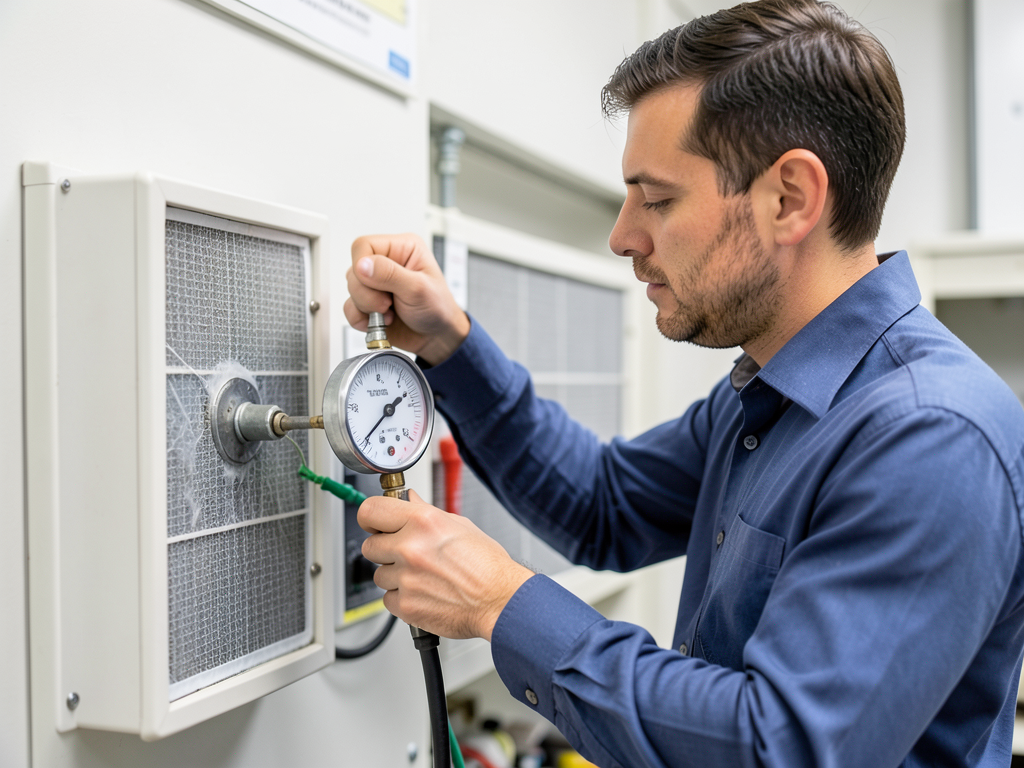
Diagnostic Test: We use a manometer to measure static pressure across your filter and coil. This tells us exactly how much resistance your current setup creates and whether your system can handle a higher MERV rating.
Golden Nugget #4: Many Kansas City homes built between 1970 and 1990 have undersized return air ducts. These systems struggle with anything above MERV 8, regardless of the filter’s quality.
Where to Buy Quality Filters in Kansas City
You have several options for purchasing HVAC filters:
| Retailer Type | Filter Selection | Price Range | Best For |
|---|---|---|---|
| Big Box Stores | Limited MERV range | $5-15 | Basic needs |
| HVAC Supply Houses | Professional grade | $15-40 | High-efficiency needs |
| Online Retailers | Extensive selection | $8-25 | Bulk purchases |
| Local HVAC Companies | Technician-recommended | $12-35 | System-matched filters |
Local Tip: United HVAC stocks MERV 11 pleated filters specifically selected for Kansas City’s climate. These filters balance allergen removal with system protection better than generic options.
Frequently Asked Questions
How often should I change my air filter in Kansas City?
Change filters every 30-60 days for MERV 8-11, and every 30 days for MERV 13 or higher. During heavy pollen seasons, check monthly regardless of schedule.
Can my old furnace handle a MERV 13 filter?
Most furnaces over 10 years old cannot handle MERV 13 without modifications. Have a technician measure static pressure before upgrading. Systems built after 2010 with ECM motors handle higher ratings better.
Will a higher MERV rating reduce my energy bills?
Lower MERV ratings actually improve efficiency by allowing better airflow. Higher MERV ratings can increase energy use by 10-20% if your system isn’t designed for them. The air quality benefits often justify the cost for allergy sufferers.
What’s the difference between MERV and HEPA filters?
HEPA filters capture 99.97% of particles 0.3 microns or larger, while MERV 16 captures about 95%. HEPA filters require special housings and are typically used in hospitals or clean rooms, not residential HVAC systems. EPA guide to air cleaners and filters.
Do washable filters work as well as disposable ones?
Washable filters typically rate MERV 1-4, catching only large particles. They’re convenient but provide minimal air quality improvement. Disposable pleated filters offer much better protection for the same or lower cost over time.
Making the Right Choice for Your Home
The best filter for your Kansas City home balances air quality needs with system protection. Most homeowners find MERV 8-11 filters provide the sweet spot—catching allergens while keeping their HVAC system healthy.
If you have severe allergies, pets, or live near construction, consider MERV 11. Just have your system checked first to ensure it can handle the extra resistance.
Diagnostic Language: We’ve tested hundreds of systems across the Northland and found that 70% of homes built before 2000 cannot handle MERV 13 filters without significant modifications. The cost of those modifications often exceeds the benefits for most families.
Remember that even the best filter won’t help if your ductwork leaks or your system isn’t properly maintained. A comprehensive approach to indoor air quality includes regular maintenance, duct sealing, and choosing the right filter for your specific situation.
Don’t let poor air quality make your family sick. Call (816) 473-9177 today to schedule a static pressure test and find the perfect filter for your Kansas City home.
You may also find this helpful. Essential HVAC Safety Tips for Families with Toddlers and Crawling Babies in Lenexa.
{
“@context”: “https://schema.org”,
“@type”: “BlogPosting”,
“headline”: “What the MERV Rating on Your Air Filter Actually Means for Your Kansas City Home”,
“description”: “Discover how MERV ratings affect your Kansas City home’s air quality and HVAC efficiency. Learn which filter fits your system and local allergen challenges.”,
“wordCount”: 1463,
“datePublished”: “2026-06-02T11:10:00.000Z”,
“dateModified”: “2026-06-02T11:10:00.000Z”,
“inLanguage”: “en-US”,
“mainEntityOfPage”: {
“@type”: “WebPage”,
“@id”: “https://unitedhvackansascity.com”
},
“publisher”: {
“@type”: “LocalBusiness”,
“name”: “United HVAC Kansas City”,
“url”: “https://unitedhvackansascity.com”
},
“author”: {
“@type”: “Organization”,
“name”: “United HVAC Kansas City”,
“url”: “https://unitedhvackansascity.com”
},
“image”: {
“@type”: “ImageObject”,
“url”: “https://unitedhvackansascity.com/wp-content/uploads/2026/03/what-the-merv-rating-on-your-air-filter-actually-m-1.png”
}
}
{
“@context”: “https://schema.org”,
“@type”: “HVACBusiness”,
“name”: “United HVAC Kansas City”,
“url”: “https://unitedhvackansascity.com”,
“address”: {
“@type”: “PostalAddress”,
“addressLocality”: “Kansas City”
},
“areaServed”: {
“@type”: “City”,
“name”: “Kansas City”
}
}
{
“@context”: “https://schema.org”,
“@type”: “FAQPage”,
“mainEntity”: [
{
“@type”: “Question”,
“name”: “What Is a MERV Rating and Why Does It Matter?”,
“acceptedAnswer”: {
“@type”: “Answer”,
“text”: “MERV stands for Minimum Efficiency Reporting Value. It measures how effectively a filter captures particles between 0.3 and 10 microns. The scale runs from 1 to 16, with higher numbers catching smaller particles.”
}
},
{
“@type”: “Question”,
“name”: “How often should I change my air filter in Kansas City?”,
“acceptedAnswer”: {
“@type”: “Answer”,
“text”: “Change filters every 30-60 days for MERV 8-11, and every 30 days for MERV 13 or higher. During heavy pollen seasons, check monthly regardless of schedule.”
}
},
{
“@type”: “Question”,
“name”: “Can my old furnace handle a MERV 13 filter?”,
“acceptedAnswer”: {
“@type”: “Answer”,
“text”: “Most furnaces over 10 years old cannot handle MERV 13 without modifications. Have a technician measure static pressure before upgrading. Systems built after 2010 with ECM motors handle higher ratings better.”
}
},
{
“@type”: “Question”,
“name”: “Will a higher MERV rating reduce my energy bills?”,
“acceptedAnswer”: {
“@type”: “Answer”,
“text”: “Lower MERV ratings actually improve efficiency by allowing better airflow. Higher MERV ratings can increase energy use by 10-20% if your system isn’t designed for them. The air quality benefits often justify the cost for allergy sufferers.”
}
},
{
“@type”: “Question”,
“name”: “What’s the difference between MERV and HEPA filters?”,
“acceptedAnswer”: {
“@type”: “Answer”,
“text”: “HEPA filters capture 99.97% of particles 0.3 microns or larger, while MERV 16 captures about 95%. HEPA filters require special housings and are typically used in hospitals or clean rooms, not residential HVAC systems. EPA guide to air cleaners and filters.”
}
},
{
“@type”: “Question”,
“name”: “Do washable filters work as well as disposable ones?”,
“acceptedAnswer”: {
“@type”: “Answer”,
“text”: “Washable filters typically rate MERV 1-4, catching only large particles. They’re convenient but provide minimal air quality improvement. Disposable pleated filters offer much better protection for the same or lower cost over time.”
}
}
]
}
{
“@context”: “https://schema.org”,
“@type”: “HowTo”,
“name”: “Seasonal Filter Schedule”,
“step”: [
{
“@type”: “HowToStep”,
“position”: 1,
“name”: “Spring (March-May):”,
“text”: “Pollen counts spike with oak and elm trees. Switch to MERV 11 if you use MERV 8 the rest of the year. Check filters monthly instead of every three months.”
},
{
“@type”: “HowToStep”,
“position”: 2,
“name”: “Summer (June-August):”,
“text”: “High humidity means more mold spores. MERV 8 works well here, but change filters every 30-45 days. The AC runs constantly, so filters clog faster.”
},
{
“@type”: “HowToStep”,
“position”: 3,
“name”: “Fall (September-November):”,
“text”: “Ragweed season hits hard. Consider MERV 11 or even MERV 13 for severe allergy sufferers. This is when most Kansas City residents notice indoor air quality issues.”
},
{
“@type”: “HowToStep”,
“position”: 4,
“name”: “Winter (December-February):”,
“text”: “Lower humidity means less airborne particulate. MERV 8 works fine, but check filters every 60 days. The furnace runs less, so filters stay cleaner longer.”
}
],
“image”: “https://unitedhvackansascity.com/wp-content/uploads/2026/03/what-the-merv-rating-on-your-air-filter-actually-m-1.png”
}
{
“@context”: “https://schema.org”,
“@type”: “BreadcrumbList”,
“itemListElement”: [
{
“@type”: “ListItem”,
“position”: 1,
“name”: “Home”,
“item”: “https://unitedhvackansascity.com”
},
{
“@type”: “ListItem”,
“position”: 2,
“name”: “Blog”,
“item”: “https://unitedhvackansascity.com/blog”
},
{
“@type”: “ListItem”,
“position”: 3,
“name”: “What the MERV Rating on Your Air Filter Actually Means for Your Kansas City Home”
}
]
}
{
“@context”: “https://schema.org”,
“@type”: “Service”,
“serviceType”: “HVAC”,
“provider”: {
“@type”: “LocalBusiness”,
“name”: “United HVAC Kansas City”,
“url”: “https://unitedhvackansascity.com”
},
“areaServed”: {
“@type”: “City”,
“name”: “Kansas City”
},
“description”: “Discover how MERV ratings affect your Kansas City home’s air quality and HVAC efficiency. Learn which filter fits your system and local allergen challenges.”
}