
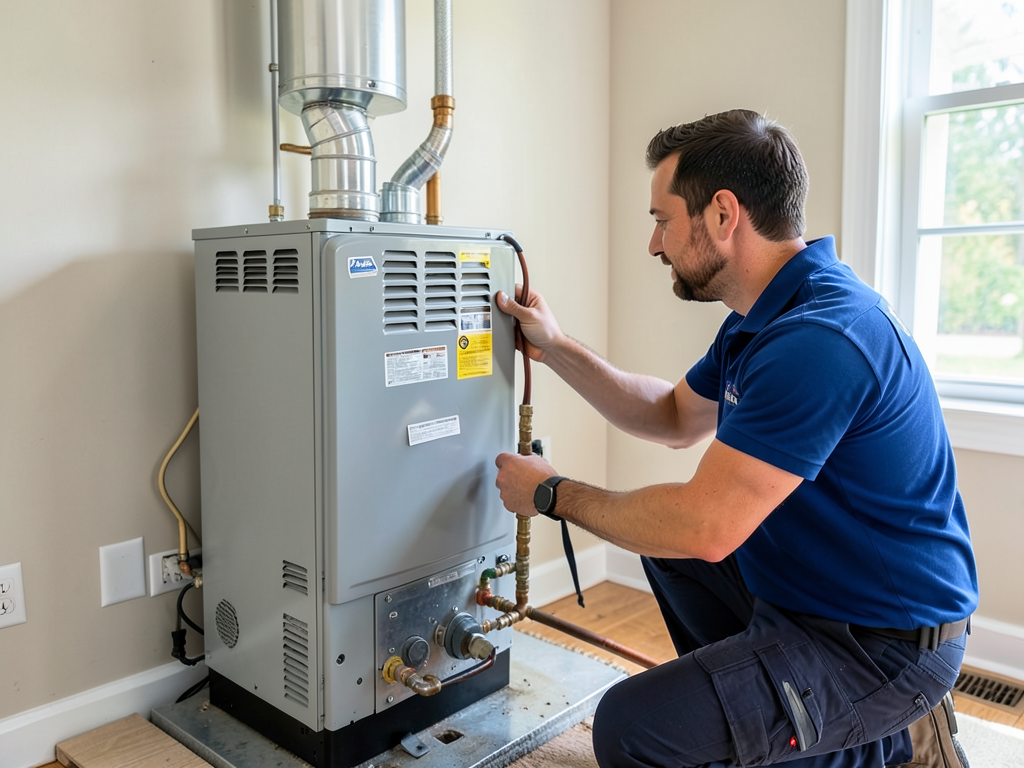
Understanding Kansas City Furnace Replacement Costs in 2026
Replacing a furnace in Kansas City right now typically costs between $3,500 and $8,500 installed, with most homeowners paying around $5,200 for a mid-efficiency gas system. These prices reflect current labor rates, material costs, and the specific demands of Missouri’s mixed-humid climate zone where furnaces run from October through April most years.. Read more about Why Leawood homeowners are switching to smart HVAC zoning systems.
The final price depends on several factors unique to the Kansas City area. Evergy’s natural gas rates, local building permit fees in Jackson and Johnson counties, and the specific efficiency rating you choose all impact your total investment. A basic 80% AFUE furnace costs less upfront but uses more fuel over its lifetime compared to a 95% AFUE high-efficiency model.. Read more about Safe and professional gas furnace line repairs for Gladstone residents.
Local contractors in the Northland and Liberty areas typically charge $85 to $125 per hour for installation labor, with most jobs requiring 12 to 20 hours of work including removal of the old unit, modifications to existing ductwork, and final testing. These labor rates reflect the specialized skills needed to work with gas lines, electrical connections, and proper venting systems that meet current International Mechanical Code requirements. HVAC Liberty.
Many Kansas City homeowners qualify for Spire Energy rebates up to $650 for high-efficiency furnace installations, plus federal tax credits of 30% up to $600 for qualifying Energy Star certified equipment purchased in 2026. These incentives can significantly reduce your net cost while improving your home’s energy efficiency during our harsh winter months. Spire Energy rebates.
Older homes in neighborhoods like Brookside and Waldo often require additional work beyond simple replacement. Many pre-1980s homes need chimney liner upgrades or electrical panel modifications to accommodate modern high-efficiency furnaces. These hidden costs can add $500 to $2,000 to your project but ensure safe, code-compliant operation.
Commercial properties in the Kansas City metro face different cost structures. Rooftop units serving retail spaces in Zona Rosa or office buildings along I-29 typically range from $8,000 to $25,000 depending on capacity and features. These systems require specialized crane work and commercial-grade components that drive up initial costs but provide better reliability for business operations. Commercial Refrigeration Services.
Heat pump systems are gaining popularity in Kansas City as energy costs fluctuate. A standard heat pump installation costs $5,500 to $10,000 and provides both heating and cooling. While heat pumps work well in our climate, they may need supplemental electric resistance heat during extreme cold snaps when temperatures drop below 20°F for extended periods.. Read more about How to get zero percent financing on a new HVAC system in Kansas City.
Electric furnace installations in areas without natural gas service typically cost $3,000 to $5,500. These systems have lower upfront costs but higher operating expenses since electricity rates in Missouri run about 11 cents per kilowatt-hour compared to natural gas at roughly $1.10 per therm. The choice between fuel types often depends on your home’s existing infrastructure and long-term energy cost projections.
Permit requirements vary by municipality. Kansas City MO charges $75 to $150 for mechanical permits, while smaller suburbs like Gladstone or Liberty may charge $50 to $100. These permits ensure your installation meets current safety standards and local building codes. Skipping permits can void manufacturer warranties and create issues when selling your home.. Read more about What Liberty families need to know before choosing a high efficiency furnace installation.
Emergency replacements during winter storms command premium pricing. When furnaces fail during sub-zero temperatures, contractors often charge 25% to 50% more for immediate service. Planning your replacement during shoulder seasons like September or April can save you hundreds while ensuring you have a reliable system before peak heating season arrives. How to find a reliable air conditioning repair technician in Overland Park.
Maintenance plans affect long-term costs significantly. A $150 annual tune-up can extend your furnace’s life by 3 to 5 years and prevent costly emergency repairs. Many Kansas City HVAC companies offer priority service and discounted parts to plan members, making this investment worthwhile for most homeowners.
Financing options make furnace replacement more accessible. Many local contractors offer 12 to 60-month payment plans with competitive interest rates. Some utility companies provide on-bill financing for high-efficiency upgrades, allowing you to spread costs over several years while enjoying immediate energy savings.
Smart thermostat integration adds $200 to $500 to your project but provides better temperature control and energy monitoring. Modern furnaces work best with programmable thermostats that can adjust temperatures automatically based on your schedule, potentially saving 10% to 15% on heating costs annually. Smart Thermostat Benefits.
Noise levels vary significantly between furnace types. Single-stage furnaces produce more operational noise but cost less, while variable-speed units operate more quietly and maintain more consistent temperatures. If your furnace is near bedrooms or living spaces, the noise reduction from a premium unit may justify the additional cost.
Cost Breakdown by Furnace Type and Efficiency
| Furnace Type | Efficiency Rating | Price Range (Installed) | Annual Operating Cost |
|---|---|---|---|
| Standard Gas | 80% AFUE | $3,500 – $5,000 | $900 – $1,200 |
| High-Efficiency Gas | 95% AFUE | $5,000 – $7,500 | $750 – $950 |
| Heat Pump | HSPF 9.0+ | $5,500 – $10,000 | $600 – $800 |
| Electric Furnace | 100% AFUE | $3,000 – $5,500 | $1,200 – $1,800 |
Local Factors Affecting Kansas City Furnace Installation Costs
Kansas City’s climate creates specific requirements that affect furnace sizing and pricing. Our area falls in Climate Zone 4, requiring heating capacity calculations based on Manual J load calculations. Homes in the Northland often need 60,000 to 100,000 BTU furnaces depending on square footage, insulation levels, and window efficiency.
Local building codes require specific venting configurations for gas furnaces. Category I furnaces need Type B venting, while high-efficiency units use PVC venting through side walls. These requirements affect installation complexity and cost, particularly in older homes where existing venting may need complete replacement to meet current International Mechanical Code Section 304 standards.
Soil conditions in the Kansas City area rarely affect furnace installations directly, but expansive clay soils can cause foundation movement that impacts ductwork connections. Homes with pier and beam foundations in older neighborhoods may require additional support brackets or flexible connections to accommodate seasonal soil movement.
Local utility infrastructure influences fuel availability and pricing. Evergy’s electrical grid reliability affects electric furnace and heat pump operation during winter storms. Spire Energy’s natural gas distribution network covers most of the metro area but some rural areas near Smithville or Kearney rely on propane or electric heating systems. Storm Damage HVAC Repair.
Commercial installations in the Kansas City metro must comply with additional requirements. Rooftop units serving retail spaces require engineered structural support and may need crane access for installation. These factors can add $2,000 to $5,000 to commercial project costs compared to residential installations.
Permit Requirements and Hidden Costs
Obtaining proper permits protects you from liability and ensures your installation meets safety standards. Kansas City MO requires mechanical permits for all furnace replacements, with fees based on project value. A typical residential installation costs $75 to $150 for the permit alone.
Older Kansas City homes often have hidden issues that increase replacement costs. Many pre-1970s homes lack proper electrical grounding for modern furnaces. Upgrading electrical service from 60-amp to 100-amp or installing dedicated circuits can add $300 to $800 to your project.
Ductwork modifications are common in Kansas City homes. Many older homes have undersized or leaky ducts that reduce heating efficiency. Sealing and insulating ductwork costs $500 to $2,000 but can reduce your energy bills by 10% to 30% annually.
Chimney liner requirements affect gas furnace installations in homes with existing masonry chimneys. High-efficiency furnaces produce acidic condensation that can damage older chimney liners. Installing a stainless steel liner costs $800 to $1,500 but prevents costly chimney damage and ensures safe venting.
Carbon monoxide detector requirements have become standard in Kansas City. Many local codes now require CO detectors on every level of the home when installing new gas appliances. These detectors cost $30 to $60 each but provide essential safety protection.
Rebates and Tax Credits Available in 2026
Federal tax credits remain available for high-efficiency furnace installations in 2026. The Energy Efficient Home Improvement Credit provides 30% of costs up to $600 for qualifying gas furnaces with AFUE ratings of 95% or higher. This credit applies to equipment purchased and installed during the tax year. federal tax credits.
Spire Energy offers rebates up to $650 for residential customers who install high-efficiency natural gas furnaces. These rebates typically require AFUE ratings of 95% or higher and may include additional incentives for smart thermostat integration. Applications must be submitted within 90 days of installation.
Evergy provides rebates for heat pump installations through their Cool Homes program. Customers can receive up to $450 for qualifying air-source heat pumps with SEER ratings of 16 or higher. These rebates help offset the higher upfront costs of heat pump technology.
Local utility rebates change annually based on program funding. Checking current offers before purchasing equipment can save hundreds of dollars. Many HVAC contractors handle rebate paperwork as part of their service, simplifying the process for homeowners.
Manufacturer rebates provide additional savings opportunities. Brands like Carrier, Lennox, and Trane frequently offer seasonal promotions that can reduce equipment costs by $100 to $500. These offers typically require installation by authorized dealers and may have specific model requirements.
Commercial vs. Residential Cost Considerations
Commercial furnace installations in Kansas City require different approaches than residential projects. Business owners must consider equipment lifespan, maintenance accessibility, and energy efficiency payback periods when making replacement decisions.
Commercial rooftop units serving retail spaces in Zona Rosa or office buildings along I-29 typically range from 5 to 20 tons capacity. These larger systems require specialized crane work for installation, adding $2,000 to $5,000 to project costs compared to ground-mounted residential units.
Business interruption costs factor heavily into commercial decisions. A retail store losing heat during winter can lose thousands in daily revenue. Many commercial customers choose premium equipment with longer warranties and faster repair response times to minimize downtime risks.
Energy management systems add $1,000 to $3,000 to commercial installations but provide detailed monitoring and control capabilities. These systems can reduce energy costs by 15% to 25% through optimized scheduling and performance monitoring.
Maintenance agreements for commercial systems typically cost $500 to $2,000 annually but include priority service and discounted repairs. These agreements ensure regular maintenance that extends equipment life and prevents costly emergency breakdowns during peak heating season.
Making the Right Choice for Your Kansas City Home
Selecting the right furnace involves balancing upfront costs with long-term operating expenses. A high-efficiency furnace costs more initially but can save $200 to $400 annually on energy bills compared to a standard efficiency unit. Over a 15-year lifespan, these savings often offset the higher purchase price.
Climate considerations favor certain technologies in Kansas City. Our cold winters and humid summers make heat pumps increasingly viable, especially when paired with dual-fuel systems that switch to gas heating during extreme cold. These systems provide year-round comfort while maximizing energy efficiency.
Noise considerations affect placement decisions. If your furnace closet is near bedrooms or living spaces, variable-speed units provide quieter operation and more consistent temperatures. The additional cost of premium equipment often pays off in improved comfort and reduced noise complaints.
Future-proofing your investment matters in Kansas City’s changing energy landscape. Natural gas prices remain relatively stable, but electricity costs continue rising. Heat pump technology improves annually, making hybrid systems increasingly attractive for homeowners planning to stay in their homes for 10+ years.
Professional load calculations ensure proper sizing. An oversized furnace cycles on and off frequently, reducing efficiency and comfort. A properly sized unit runs longer cycles at lower output, providing better temperature control and lower energy bills. Most Kansas City homes need furnaces sized between 60,000 and 100,000 BTU based on Manual J calculations.
Frequently Asked Questions
How long does a furnace replacement take in Kansas City?
Most residential furnace replacements in Kansas City take 6 to 12 hours for complete installation including removal of the old unit, modifications, and testing. Complex installations requiring ductwork modifications or electrical upgrades may take 1 to 2 days. Commercial installations typically require more time due to larger equipment and additional permitting requirements.
What permits are required for furnace replacement in Kansas City?
Kansas City MO requires mechanical permits for all furnace replacements, costing $75 to $150 depending on project scope. Most suburban cities like Liberty, Gladstone, and North Kansas City also require permits with similar fees. These permits ensure installations meet current International Mechanical Code requirements and local building standards.
Can I install a furnace myself to save money?
DIY furnace installation is illegal in Missouri and Kansas without proper licensing. Gas line connections, electrical wiring, and venting require specialized knowledge and tools. Improper installation creates serious safety hazards including carbon monoxide poisoning and fire risks. Most manufacturers also void warranties for non-professional installation.
Ready to Upgrade Your Home’s Heating System?
Don’t wait until your old furnace fails during a winter storm. Call (816) 473-9177 today to schedule your free in-home consultation. Our certified technicians will evaluate your home’s heating needs, explain your options, and provide transparent pricing with no hidden fees. We serve all of Kansas City including Liberty, the Northland, and surrounding communities.
Whether you need a basic replacement or a high-efficiency upgrade with smart thermostat integration, we’ll help you make the right choice for your home and budget. Our team handles everything from permit acquisition to final testing, ensuring your new system meets all local codes and manufacturer specifications.
Emergency service available 24/7 for those unexpected breakdowns. Call (816) 473-9177 now and let our experienced team keep your family comfortable all winter long. We’re not just installing equipment; we’re providing peace of mind for Kansas City homeowners who depend on reliable heating during our coldest months.
Financing options available to make your new furnace affordable. Ask about current utility rebates and federal tax credits that could save you hundreds on your installation. Don’t delay – call (816) 473-9177 and take the first step toward a warmer, more efficient home today.
{
“@context”: “https://schema.org”,
“@type”: “BlogPosting”,
“headline”: “What it actually costs to replace a furnace in Kansas City right now”,
“description”: “Discover real 2026 furnace replacement costs in Kansas City including labor rates, local rebates, and hidden expenses. Get a free estimate from certified HVAC pros.”,
“wordCount”: 2300,
“datePublished”: “2026-02-13T11:29:00.000Z”,
“dateModified”: “2026-02-13T11:29:00.000Z”,
“inLanguage”: “en-US”,
“mainEntityOfPage”: {
“@type”: “WebPage”,
“@id”: “https://unitedhvackansascity.com”
},
“publisher”: {
“@type”: “LocalBusiness”,
“name”: “United HVAC Kansas City”,
“url”: “https://unitedhvackansascity.com”
},
“author”: {
“@type”: “Organization”,
“name”: “United HVAC Kansas City”,
“url”: “https://unitedhvackansascity.com”
},
“image”: {
“@type”: “ImageObject”,
“url”: “https://unitedhvackansascity.com/wp-content/uploads/2026/03/what-it-actually-costs-to-replace-a-furnace-in-kan-1.png”
}
}
{
“@context”: “https://schema.org”,
“@type”: “HVACBusiness”,
“name”: “United HVAC Kansas City”,
“url”: “https://unitedhvackansascity.com”,
“address”: {
“@type”: “PostalAddress”,
“addressLocality”: “Kansas City”
},
“areaServed”: {
“@type”: “City”,
“name”: “Kansas City”
}
}
{
“@context”: “https://schema.org”,
“@type”: “FAQPage”,
“mainEntity”: [
{
“@type”: “Question”,
“name”: “How long does a furnace replacement take in Kansas City?”,
“acceptedAnswer”: {
“@type”: “Answer”,
“text”: “Most residential furnace replacements in Kansas City take 6 to 12 hours for complete installation including removal of the old unit, modifications, and testing. Complex installations requiring ductwork modifications or electrical upgrades may take 1 to 2 days. Commercial installations typically require more time due to larger equipment and additional permitting requirements.”
}
},
{
“@type”: “Question”,
“name”: “What permits are required for furnace replacement in Kansas City?”,
“acceptedAnswer”: {
“@type”: “Answer”,
“text”: “Kansas City MO requires mechanical permits for all furnace replacements, costing $75 to $150 depending on project scope. Most suburban cities like Liberty, Gladstone, and North Kansas City also require permits with similar fees. These permits ensure installations meet current International Mechanical Code requirements and local building standards.”
}
},
{
“@type”: “Question”,
“name”: “Can I install a furnace myself to save money?”,
“acceptedAnswer”: {
“@type”: “Answer”,
“text”: “DIY furnace installation is illegal in Missouri and Kansas without proper licensing. Gas line connections, electrical wiring, and venting require specialized knowledge and tools. Improper installation creates serious safety hazards including carbon monoxide poisoning and fire risks. Most manufacturers also void warranties for non-professional installation.”
}
},
{
“@type”: “Question”,
“name”: “Ready to Upgrade Your Home’s Heating System?”,
“acceptedAnswer”: {
“@type”: “Answer”,
“text”: “Don’t wait until your old furnace fails during a winter storm. Call (816) 473-9177 today to schedule your free in-home consultation. Our certified technicians will evaluate your home’s heating needs, explain your options, and provide transparent pricing with no hidden fees. We serve all of Kansas City including Liberty, the Northland, and surrounding communities.”
}
}
]
}
{
“@context”: “https://schema.org”,
“@type”: “BreadcrumbList”,
“itemListElement”: [
{
“@type”: “ListItem”,
“position”: 1,
“name”: “Home”,
“item”: “https://unitedhvackansascity.com”
},
{
“@type”: “ListItem”,
“position”: 2,
“name”: “Blog”,
“item”: “https://unitedhvackansascity.com/blog”
},
{
“@type”: “ListItem”,
“position”: 3,
“name”: “What it actually costs to replace a furnace in Kansas City right now”
}
]
}
{
“@context”: “https://schema.org”,
“@type”: “Service”,
“serviceType”: “HVAC”,
“provider”: {
“@type”: “LocalBusiness”,
“name”: “United HVAC Kansas City”,
“url”: “https://unitedhvackansascity.com”
},
“areaServed”: {
“@type”: “City”,
“name”: “Kansas City”
},
“description”: “Discover real 2026 furnace replacement costs in Kansas City including labor rates, local rebates, and hidden expenses. Get a free estimate from certified HVAC pros.”
}