
Living in Kansas City, KS means dealing with sweltering summers where indoor temperatures can climb above 85 degrees by midday. When your air conditioner stops working, it’s more than just uncomfortable—it can become a serious health risk, especially for children, seniors, and anyone with respiratory issues. Understanding your rights under Kansas law is the first step to getting your cooling system repaired quickly and safely.
Under Kansas law, landlords must provide and maintain a safe and habitable living environment. While Kansas does not explicitly require air conditioning in every rental, once a landlord provides an AC unit, they must keep it in working condition. This falls under the “implied warranty of habitability” in the Kansas Residential Landlord and Tenant Act (K.S.A. 58-2553). If your AC fails during extreme heat, you have the right to prompt repairs and, in some cases, legal remedies if the landlord delays. Kansas Residential Landlord and Tenant Act.
Knowing the exact steps to take—and the specific timelines—can mean the difference between a quick fix and days of unsafe indoor heat. This guide explains your rights, the repair process, and when to involve local authorities or an HVAC professional. Same day furnace repair services for families in Lee’s Summit.
Understanding Kansas Residential Landlord and Tenant Act (K.S.A. 58-2553)
The Kansas Residential Landlord and Tenant Act establishes that landlords must provide essential services, including working heating and cooling systems if they were provided at the start of the lease. The law does not mandate AC in every unit, but if your lease includes air conditioning, the landlord must maintain it in good working order. This is part of the “implied warranty of habitability” that protects tenants from unsafe living conditions. How to find a reliable air conditioning repair technician in Overland Park.
Under K.S.A. 58-2553, if your AC stops working, you must notify your landlord in writing. The landlord then has a reasonable time to make repairs—typically 14 days for non-emergency issues. However, if the failure creates a serious health risk (like extreme heat during a heat wave), courts have interpreted this timeline more strictly, sometimes requiring action within 24 to 48 hours. Who to call for 24 hour emergency AC repair in Shawnee when the heat index spikes.
Document everything: keep copies of your written notice, record indoor temperatures, and note any health symptoms. This documentation can be critical if you need to escalate the issue to local authorities or small claims court. Local HVAC experts for boiler maintenance and repair near the Country Club Plaza.
KCK Local Ordinances vs. Kansas State Law
Kansas City, KS (Wyandotte County) adds another layer of protection through the Unified Government’s property maintenance codes. The UG Code Enforcement office enforces standards for ventilation and mechanical equipment under the International Property Maintenance Code (IPMC). If your AC fails and creates unsafe indoor conditions, Code Enforcement can inspect the property and order repairs. Unified Government Code Enforcement.
Unlike some cities that have specific temperature thresholds, Wyandotte County relies on the broader “habitability” standard. However, during heat advisories or extreme weather events, local officials may prioritize AC failures as urgent. You can contact UG Code Enforcement at (913) 573-5100 to report a violation or request an inspection.
It’s important to note that Kansas City, KS laws differ from Kansas City, MO. If you live on the Kansas side, only KCK ordinances apply—MO laws and agencies have no jurisdiction here. Always specify “Kansas City, KS” or “Wyandotte County” when contacting officials to avoid confusion.
What to Do When Your AC Fails: A 3-Step Guide
When your AC stops working, follow these steps to protect your rights and health:
- Send Written Notice
Draft a clear, dated letter or email to your landlord describing the problem, when it started, and the impact on your health or safety. Keep a copy for your records.
- Document Conditions
Use a thermometer to record indoor temperatures, especially during peak heat hours. Note any health symptoms like dizziness, headaches, or difficulty breathing.
- Escalate if Necessary
If no response in 48 hours during extreme heat (or 14 days in normal conditions), contact UG Code Enforcement or consult an attorney about your options.
Never withhold rent or attempt “repair and deduct” without following Kansas law exactly. These actions can lead to eviction if not done properly. Instead, focus on documentation and official channels.
The ‘Repair and Deduct’ Myth in Kansas
Many tenants believe they can simply stop paying rent or pay for repairs themselves and deduct the cost from rent. In Kansas, this is only legal under very specific conditions: you must have written notice to the landlord, a reasonable time must pass, and the repair must be for an essential service like heating or cooling. Even then, you must follow strict procedures, including providing receipts and not exceeding one month’s rent in deductions.
Attempting this without meeting all legal requirements can result in eviction for non-payment. If you’re considering this route, consult a local tenant rights attorney first. In most cases, working through Code Enforcement or the courts is safer and more effective.
Emergency HVAC Situations
Extreme heat can turn an AC failure into a life-threatening emergency, especially for vulnerable populations. If indoor temperatures exceed 85 degrees for more than a few hours, or if anyone in the home shows signs of heat exhaustion (heavy sweating, weakness, nausea), act immediately.
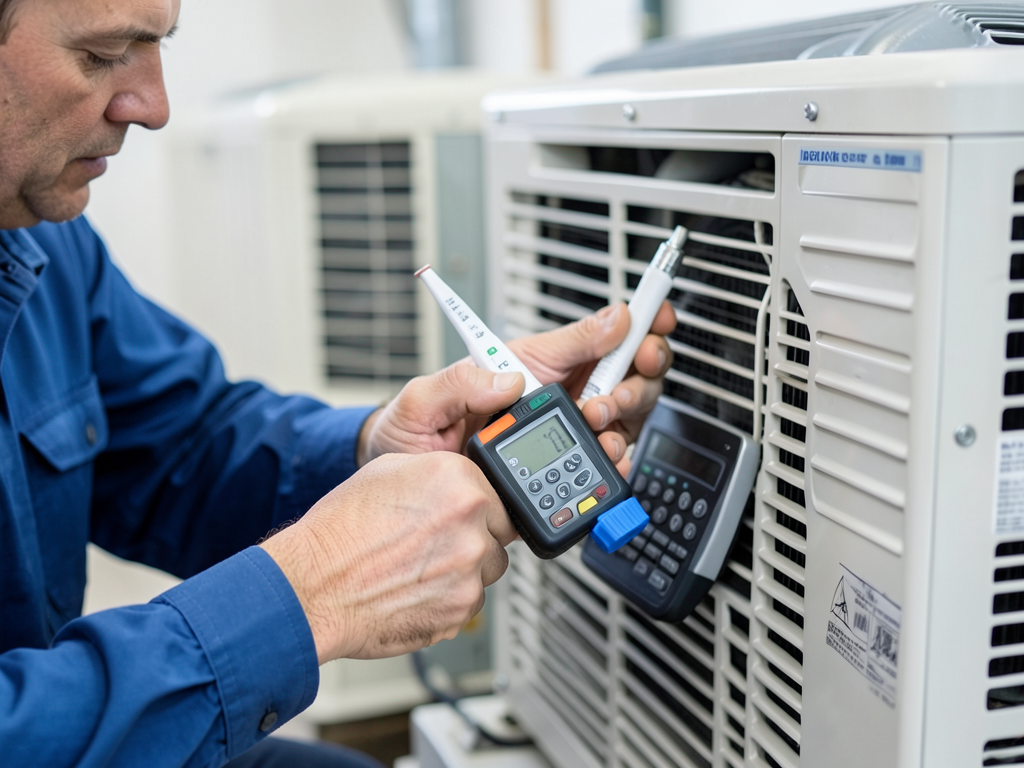
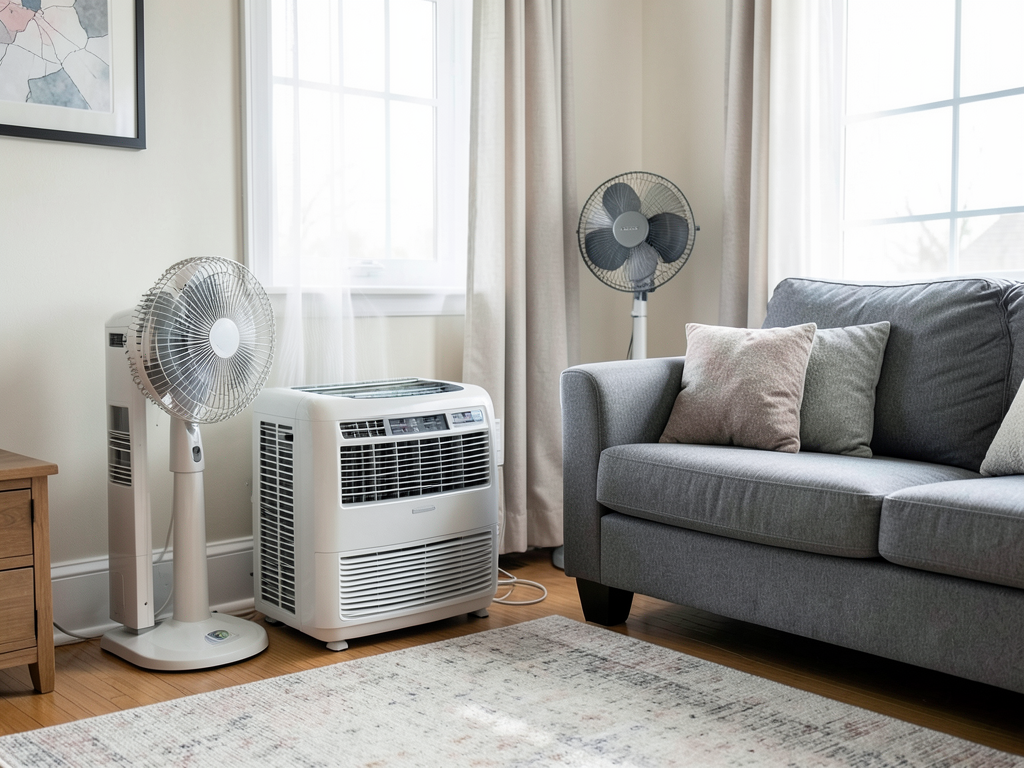
An HVAC professional can provide a written assessment of the system’s condition, which can be used as evidence in disputes with your landlord or in court. They can also recommend temporary cooling solutions, such as portable AC units or fans, to reduce health risks while waiting for repairs.
If you suspect the AC failure is due to landlord negligence (e.g., failure to maintain the system), ask the technician to document any signs of poor maintenance, like dirty coils, low refrigerant, or worn components. This technical evidence can strengthen your case.
Frequently Asked Questions
Is air conditioning required by law in Kansas rentals?
Kansas law does not require landlords to provide air conditioning in every unit. However, if the lease includes AC or the unit had it when you moved in, the landlord must keep it in working order under the implied warranty of habitability.
How long does my landlord have to fix the AC in Kansas?
For non-emergency repairs, landlords have a reasonable time, typically interpreted as 14 days after written notice. During extreme heat or if the failure poses a serious health risk, courts may require action within 24-48 hours.
Can I withhold rent if my AC is broken?
Withholding rent is risky in Kansas and can lead to eviction. Only attempt this under strict legal conditions and after consulting an attorney. Focus on documentation and official channels first.
Who do I call if my landlord won’t fix the AC?
Contact the Unified Government of Wyandotte County Code Enforcement at (913) 573-5100. You can also file a complaint with the Kansas Attorney General’s Office or seek legal advice from a tenant rights organization.
What if I have a medical condition that requires air conditioning?
If you have a documented medical need, inform your landlord in writing and provide any necessary medical documentation. This may qualify as a reasonable accommodation under fair housing laws, requiring faster action from your landlord.
Protecting Your Health and Rights
Living without air conditioning during a Kansas City, KS summer is more than an inconvenience—it’s a serious health risk. By understanding your rights under Kansas law and the Unified Government’s codes, you can take the right steps to get your AC repaired quickly and safely. Always start with written notice, document conditions, and escalate through official channels if needed.
If you’re unsure about your rights or need help documenting your situation, call (816) 473-9177 today to schedule an inspection. Our HVAC experts can assess your system, provide a written report, and help you build a strong case for repair or legal action if necessary. Don’t wait until the heat becomes dangerous—get the help you need now.
{
“@context”: “https://schema.org”,
“@type”: “BlogPosting”,
“headline”: “Understanding Your Rights as a KCK Tenant When the AC Stops Working”,
“description”: “Learn your legal rights under Kansas law when your AC fails in Kansas City, KS. Know the 14/30 day repair rule, how to contact Code Enforcement, and when to call an HVAC expert.”,
“wordCount”: 1334,
“datePublished”: “2026-05-06T13:40:00.000Z”,
“dateModified”: “2026-05-06T13:40:00.000Z”,
“inLanguage”: “en-US”,
“mainEntityOfPage”: {
“@type”: “WebPage”,
“@id”: “https://unitedhvackansascity.com”
},
“publisher”: {
“@type”: “LocalBusiness”,
“name”: “United HVAC Kansas City”,
“url”: “https://unitedhvackansascity.com”
},
“author”: {
“@type”: “Organization”,
“name”: “United HVAC Kansas City”,
“url”: “https://unitedhvackansascity.com”
},
“image”: {
“@type”: “ImageObject”,
“url”: “https://unitedhvackansascity.com/wp-content/uploads/2026/03/understanding-your-rights-as-a-kck-tenant-when-the-1.png”
}
}
{
“@context”: “https://schema.org”,
“@type”: “HVACBusiness”,
“name”: “United HVAC Kansas City”,
“url”: “https://unitedhvackansascity.com”,
“address”: {
“@type”: “PostalAddress”,
“addressLocality”: “Kansas City”
},
“areaServed”: {
“@type”: “City”,
“name”: “Kansas City”
}
}
{
“@context”: “https://schema.org”,
“@type”: “FAQPage”,
“mainEntity”: [
{
“@type”: “Question”,
“name”: “Is air conditioning required by law in Kansas rentals?”,
“acceptedAnswer”: {
“@type”: “Answer”,
“text”: “Kansas law does not require landlords to provide air conditioning in every unit. However, if the lease includes AC or the unit had it when you moved in, the landlord must keep it in working order under the implied warranty of habitability.”
}
},
{
“@type”: “Question”,
“name”: “How long does my landlord have to fix the AC in Kansas?”,
“acceptedAnswer”: {
“@type”: “Answer”,
“text”: “For non-emergency repairs, landlords have a reasonable time, typically interpreted as 14 days after written notice. During extreme heat or if the failure poses a serious health risk, courts may require action within 24-48 hours.”
}
},
{
“@type”: “Question”,
“name”: “Can I withhold rent if my AC is broken?”,
“acceptedAnswer”: {
“@type”: “Answer”,
“text”: “Withholding rent is risky in Kansas and can lead to eviction. Only attempt this under strict legal conditions and after consulting an attorney. Focus on documentation and official channels first.”
}
},
{
“@type”: “Question”,
“name”: “Who do I call if my landlord won’t fix the AC?”,
“acceptedAnswer”: {
“@type”: “Answer”,
“text”: “Contact the Unified Government of Wyandotte County Code Enforcement at (913) 573-5100. You can also file a complaint with the Kansas Attorney General’s Office or seek legal advice from a tenant rights organization.”
}
},
{
“@type”: “Question”,
“name”: “What if I have a medical condition that requires air conditioning?”,
“acceptedAnswer”: {
“@type”: “Answer”,
“text”: “If you have a documented medical need, inform your landlord in writing and provide any necessary medical documentation. This may qualify as a reasonable accommodation under fair housing laws, requiring faster action from your landlord.”
}
}
]
}
{
“@context”: “https://schema.org”,
“@type”: “HowTo”,
“name”: “Steps to Take When AC Fails”,
“step”: [
{
“@type”: “HowToStep”,
“position”: 1,
“name”: “Send Written Notice”,
“text”: “Draft a clear, dated letter or email to your landlord describing the problem, when it started, and the impact on your health or safety. Keep a copy for your records.”
},
{
“@type”: “HowToStep”,
“position”: 2,
“name”: “Document Conditions”,
“text”: “Use a thermometer to record indoor temperatures, especially during peak heat hours. Note any health symptoms like dizziness, headaches, or difficulty breathing.”
},
{
“@type”: “HowToStep”,
“position”: 3,
“name”: “Escalate if Necessary”,
“text”: “If no response in 48 hours during extreme heat (or 14 days in normal conditions), contact UG Code Enforcement or consult an attorney about your options.”
}
],
“image”: “https://unitedhvackansascity.com/wp-content/uploads/2026/03/understanding-your-rights-as-a-kck-tenant-when-the-1.png”
}
{
“@context”: “https://schema.org”,
“@type”: “BreadcrumbList”,
“itemListElement”: [
{
“@type”: “ListItem”,
“position”: 1,
“name”: “Home”,
“item”: “https://unitedhvackansascity.com”
},
{
“@type”: “ListItem”,
“position”: 2,
“name”: “Blog”,
“item”: “https://unitedhvackansascity.com/blog”
},
{
“@type”: “ListItem”,
“position”: 3,
“name”: “Understanding Your Rights as a KCK Tenant When the AC Stops Working”
}
]
}
{
“@context”: “https://schema.org”,
“@type”: “Service”,
“serviceType”: “HVAC”,
“provider”: {
“@type”: “LocalBusiness”,
“name”: “United HVAC Kansas City”,
“url”: “https://unitedhvackansascity.com”
},
“areaServed”: {
“@type”: “City”,
“name”: “Kansas City”
},
“description”: “Learn your legal rights under Kansas law when your AC fails in Kansas City, KS. Know the 14/30 day repair rule, how to contact Code Enforcement, and when to call an HVAC expert.”
}