The Relationship Between Modern HVAC Systems and Radon Mitigation in Liberty Homes
Liberty homeowners face unique indoor air quality challenges due to the area’s limestone-rich soil that naturally produces radon gas. Your HVAC system plays a crucial role in either helping or hindering radon mitigation efforts. Understanding this relationship is essential for protecting your family’s health while maintaining comfortable indoor temperatures year-round. HVAC Liberty.
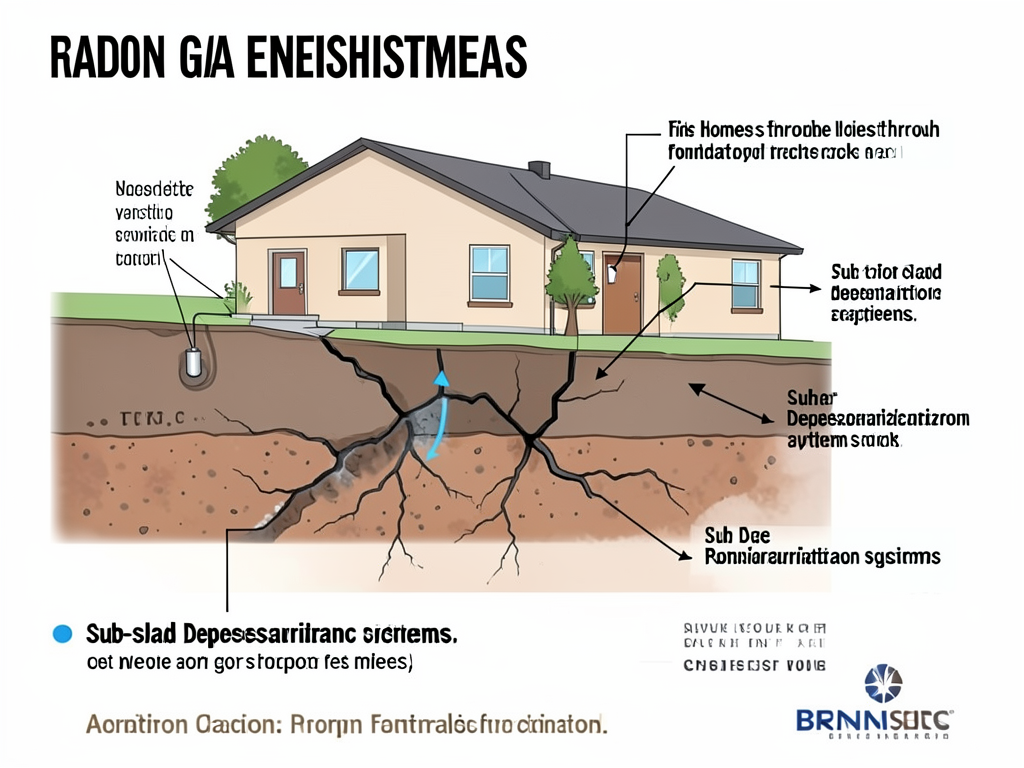
Radon enters Liberty homes through foundation cracks and gaps, and your HVAC system’s air pressure dynamics can either draw this gas upward or help ventilate it safely outdoors. The stack effect created by temperature differences between your basement and upper floors works alongside your heating and cooling system to move air throughout your home. When your HVAC system creates negative pressure in certain areas, it can actually pull more radon from the soil beneath your foundation.. Read more about Heating and Cooling Your Newly Finished Basement in Merriam.
Liberty sits in Clay County’s Zone 1 radon area, where average indoor levels often exceed EPA action thresholds. The local limestone and shale formations create ideal conditions for radon production, making HVAC-radon integration a critical concern for homeowners in neighborhoods like Shoal Creek Valley and Liberty Square. Your forced-air furnace or central air conditioner can either be part of the problem or part of the solution, depending on how it’s configured and maintained. EPA Radon Information.
How HVAC Air Pressure Affects Radon Entry
Every forced-air HVAC system creates pressure differentials throughout your home. When your furnace or air handler pulls air from the basement or crawl space, it creates negative pressure zones that can draw radon upward from the soil. This effect intensifies during heating season when warm air rises and creates the natural stack effect, pulling replacement air from lower levels where radon concentrations are highest. Same day furnace repair services for families in Lee’s Summit.
The relationship between HVAC operation and radon levels becomes particularly pronounced in Liberty’s climate. During winter months, your heating system runs frequently, creating consistent negative pressure that can increase radon entry rates by up to 30 percent. Summer cooling cycles produce similar effects, especially when your air conditioner pulls return air from basement areas where radon accumulates.
Common HVAC issues that worsen radon infiltration include leaky ductwork in basements, improperly sized return air vents, and unbalanced airflow between floors. When your system can’t maintain proper air pressure balance, it creates pathways for soil gases to enter through foundation cracks around plumbing penetrations, sump pits, and floor drains.
Energy Recovery Ventilators for Radon Dilution
Energy Recovery Ventilators (ERVs) offer one of the most effective HVAC-based solutions for managing radon levels in Liberty homes. These systems exchange indoor and outdoor air while recovering energy from the exhaust air, maintaining comfortable temperatures while continuously diluting radon concentrations. An ERV can reduce indoor radon levels by up to 50 percent when properly sized and installed.
The effectiveness of ERVs in Liberty’s climate depends on proper sizing and installation. Clay County’s temperature extremes require units with higher efficiency ratings than standard models. A properly installed ERV maintains slight positive pressure in your home, counteracting the negative pressure that draws radon upward from the soil. This pressure balance becomes especially important during heating season when stack effect is strongest.
Liberty homeowners should consider ERV systems that include radon-specific features like enhanced filtration and pressure monitoring. These units can integrate with your existing HVAC system to provide continuous ventilation without sacrificing energy efficiency. The initial investment typically ranges from $2,500 to $4,000 installed, but the long-term benefits include both radon reduction and improved overall indoor air quality.
Heat Recovery Ventilators and Radon Management
Heat Recovery Ventilators (HRVs) function similarly to ERVs but focus specifically on heat exchange rather than moisture control. In Liberty’s climate, HRVs can be particularly effective during winter months when radon levels typically peak. These systems recover up to 85 percent of the heat from exhaust air while providing fresh outdoor air that dilutes indoor radon concentrations.
The key advantage of HRVs for radon mitigation lies in their ability to maintain consistent air exchange rates regardless of outdoor temperature. Liberty experiences rapid temperature swings that can affect radon entry rates, but an HRV provides steady ventilation that keeps radon levels from spiking. The system’s heat recovery capability means you won’t see significant increases in heating or cooling costs despite the continuous air exchange.
HRV installation in Liberty homes requires consideration of local building codes and EPA guidelines for radon mitigation. The International Mechanical Code (IMC) Section 403.6 mandates specific ventilation rates for residential buildings, and HRV systems must meet these requirements while providing adequate radon dilution. Professional sizing calculations should account for your home’s specific radon levels, which can vary significantly even between neighboring properties in Clay County. National Radon Safety Board.
Duct Sealing and Radon Reduction
Leaky ductwork in basements and crawl spaces creates direct pathways for radon entry into your HVAC system. When return air ducts leak in these areas, they can pull radon-laden air directly into your system’s airflow, distributing it throughout your home. Liberty’s older homes, particularly those built before 2000, often have significant duct leakage that exacerbates radon problems.
Professional duct sealing involves using specialized mastic sealants and metal-backed tape to close gaps and joints in your ductwork. This process not only reduces radon entry but also improves HVAC efficiency by preventing conditioned air loss. Liberty homeowners typically see energy savings of 15-20 percent after professional duct sealing, plus the added benefit of reduced radon levels.
The duct sealing process includes pressure testing to identify leakage points and verify that repairs are effective. Technicians use specialized equipment to measure air pressure differentials before and after sealing, ensuring that your system maintains proper airflow while eliminating radon entry pathways. This diagnostic approach is particularly important in Liberty’s mixed soil conditions, where radon entry rates can vary significantly between properties. Who to call for 24 hour emergency AC repair in Shawnee when the heat index spikes.
Fresh Air Intake Systems and Radon Dilution
Fresh air intake systems provide another HVAC-based approach to radon management by introducing outdoor air directly into your HVAC system’s return air stream. These systems can be particularly effective in Liberty’s climate when properly configured to account for seasonal temperature variations. A well-designed fresh air intake system can reduce indoor radon levels by 30-40 percent while maintaining comfortable indoor temperatures.
The key to effective fresh air intake installation lies in proper location and sizing. In Liberty’s climate, intakes should be positioned to avoid drawing air from areas where radon might accumulate, such as near foundation walls or in low-lying areas. The system must also include filtration to prevent outdoor pollutants from entering your home while still allowing adequate air exchange for radon dilution.
Modern fresh air intake systems can include smart controls that adjust ventilation rates based on indoor radon levels, outdoor temperature, and humidity. These intelligent systems optimize energy efficiency while maintaining safe indoor air quality. Liberty homeowners benefit from systems that can automatically increase ventilation during periods of high radon entry, such as during temperature inversions or when the ground is saturated after heavy rainfall. Smart Thermostat Benefits.
Sub-Slab Depressurization Integration
Sub-slab depressurization systems work alongside your HVAC system to create negative pressure beneath your foundation, preventing radon from entering your home. These systems typically include a vent pipe that runs from beneath your concrete slab to the roof, with a fan that continuously draws radon gas from the soil and exhausts it safely above your home.
The integration of sub-slab depressurization with your HVAC system requires careful planning to avoid creating conflicting pressure zones. When properly installed, the depressurization system creates a barrier that prevents radon entry, while your HVAC system maintains comfortable indoor temperatures and air quality. Liberty homes with both systems often achieve radon reduction of 90 percent or more.
Installation considerations for Liberty homes include the depth of your foundation, soil composition, and local building codes. Clay County’s limestone-rich soil may require deeper suction points or multiple collection points to effectively depressurize the area beneath your home. The system must also comply with EPA guidelines for radon mitigation, including proper fan location and exhaust height requirements. Local HVAC experts for boiler maintenance and repair near the Country Club Plaza.
IAQ Monitoring and Radon Detection
Modern indoor air quality monitoring systems can track radon levels alongside other air quality metrics like humidity, carbon dioxide, and volatile organic compounds. These smart systems provide real-time data that helps you understand how your HVAC system affects radon levels throughout the day and across seasons. Liberty homeowners can use this information to optimize their ventilation strategies and identify potential issues before they become serious problems.
Continuous radon monitoring is particularly important in Liberty due to the area’s variable soil conditions and seasonal temperature changes. Radon levels can fluctuate significantly based on factors like barometric pressure, soil moisture, and HVAC operation patterns. A monitoring system that tracks these variables helps you understand the relationship between your heating and cooling cycles and radon entry rates.
Advanced IAQ monitors can integrate with smart thermostats and HVAC controls to automatically adjust ventilation rates based on radon levels. When radon concentrations rise above safe thresholds, the system can increase air exchange rates or activate additional ventilation equipment. This automated approach ensures consistent radon management without requiring constant manual adjustments.
Professional Radon Testing and HVAC Assessment
Professional radon testing in Liberty homes should include both short-term screening and long-term monitoring to establish accurate baseline levels. The EPA recommends testing all homes below the third floor, and Liberty’s Zone 1 designation makes testing particularly important. Professional testing includes specialized equipment that can identify radon entry points and measure how your HVAC system affects radon distribution.
During a professional assessment, technicians use diagnostic tools to measure air pressure differentials throughout your home, identify duct leakage, and evaluate your HVAC system’s impact on radon levels. This comprehensive approach helps determine whether HVAC modifications alone can address your radon concerns or if additional mitigation measures are needed.
Liberty homeowners should schedule radon testing during both heating and cooling seasons, as radon entry rates can vary significantly with temperature changes. Professional testing also includes evaluation of your home’s specific characteristics, such as foundation type, soil composition, and existing ventilation systems. This detailed assessment forms the basis for developing an effective radon management strategy.
Cost Considerations and ROI
The cost of HVAC-based radon mitigation in Liberty homes varies widely depending on the specific solutions needed. Simple duct sealing and pressure balancing might cost $500-$1,500, while comprehensive ERV or HRV installation typically ranges from $2,500-$4,500. Sub-slab depressurization systems add $1,500-$3,000 to the total investment.
While these costs may seem significant, the health benefits and potential energy savings provide substantial return on investment. Liberty homeowners who invest in proper radon mitigation often see reduced energy bills due to improved HVAC efficiency, plus the priceless benefit of protecting their family from radon-related health risks. Many mitigation measures also qualify for energy efficiency rebates through local utility programs.
The long-term cost of not addressing radon can be much higher when considering potential health impacts and decreased property values. Liberty homes with documented radon mitigation typically sell faster and at higher prices than those with unresolved radon issues. Professional mitigation also provides peace of mind and documented compliance with EPA recommendations for indoor air quality.
Maintenance and Long-Term Performance
Maintaining your radon mitigation and HVAC systems requires regular professional service to ensure continued effectiveness. ERV and HRV units need filter changes every 3-6 months and annual professional cleaning to maintain optimal performance. Sub-slab depressurization fans typically last 5-10 years and require periodic inspection to verify proper operation.
Liberty’s climate creates specific maintenance challenges, including increased dust and pollen during spring months that can clog ventilation filters more quickly. The area’s humidity variations also affect system performance, requiring seasonal adjustments to maintain proper air exchange rates while managing radon levels effectively.
Annual professional inspections should include radon level testing to verify that mitigation systems continue to function properly. These inspections can identify developing issues before they become serious problems, such as failing fans, clogged filters, or changes in soil conditions that affect radon entry rates. Regular maintenance ensures your investment in radon mitigation continues to protect your family effectively.
Local Building Codes and Regulations
Liberty and Clay County building codes require specific ventilation standards that impact radon mitigation strategies. The International Residential Code (IRC) Section R408 mandates minimum ventilation rates for new construction, while the International Mechanical Code (IMC) Section 403.6 sets requirements for mechanical ventilation systems. These codes influence how HVAC and radon mitigation systems must be designed and installed.
Missouri Department of Health and Senior Services guidelines recommend radon testing for all homes, and Liberty building permits for new construction often require radon-resistant features. These requirements include sealed foundation penetrations, passive radon vent pipes, and proper HVAC duct sealing to minimize radon entry potential.
Professional HVAC contractors in Liberty must stay current with local code requirements and EPA guidelines for radon mitigation. This knowledge ensures that any HVAC modifications or new installations comply with safety standards while effectively managing radon levels. Code compliance also protects homeowners from potential liability issues related to indoor air quality.
Choosing the Right Contractor
Selecting a contractor for HVAC-based radon mitigation requires careful consideration of experience, certifications, and local knowledge. Look for professionals certified by the National Radon Proficiency Program (NRPP) who also hold NATE certification for HVAC work. These dual qualifications ensure expertise in both radon science and HVAC system design.
Liberty contractors should have specific experience with the area’s soil conditions, building styles, and climate challenges. Local knowledge proves invaluable when designing systems that effectively manage radon while maintaining energy efficiency in Liberty’s extreme temperature variations. Ask potential contractors about their experience with similar homes in your neighborhood and request references from satisfied customers.
Professional contractors should provide detailed proposals that include system design specifications, expected performance metrics, and maintenance requirements. They should also offer warranties on both equipment and installation work, plus provide documentation of compliance with local building codes and EPA guidelines for radon mitigation.
Frequently Asked Questions
Can my existing HVAC system reduce radon levels?
Yes, certain modifications to your existing HVAC system can help reduce radon levels. Duct sealing, proper return air balance, and adding fresh air intake systems can all contribute to lower radon concentrations. However, severe radon problems typically require additional mitigation measures beyond HVAC modifications.
How much does HVAC-based radon mitigation cost in Liberty?
Costs vary based on your home’s specific needs, but basic duct sealing and pressure balancing typically range from $500-$1,500. More comprehensive solutions like ERV installation cost $2,500-$4,500, while sub-slab depressurization adds $1,500-$3,000. Many homeowners find that basic HVAC modifications combined with professional testing provide adequate radon reduction at reasonable costs.
Will radon mitigation increase my energy bills?
Properly designed radon mitigation systems should not significantly increase energy costs. In fact, many HVAC modifications that reduce radon also improve energy efficiency by eliminating duct leaks and optimizing airflow. ERV and HRV systems recover most of the energy from exhaust air, minimizing the impact on heating and cooling costs.
How often should I test radon levels after mitigation?
The EPA recommends testing radon levels every two years, even after mitigation. However, if you notice changes in your home’s operation, such as new foundation cracks or major HVAC modifications, you should test sooner. Annual professional inspections of your mitigation system also help ensure continued effectiveness.
Are ERVs or HRVs better for radon reduction?
Both ERVs and HRVs can effectively reduce radon levels, but the best choice depends on your specific needs. ERVs provide moisture control benefits that can be important in Liberty’s humid summers, while HRVs focus on heat recovery and may be more cost-effective for radon reduction alone. A professional assessment can help determine which system best suits your home.
Take Action to Protect Your Family’s Health
Understanding the relationship between your HVAC system and radon levels is the first step toward creating a healthier home environment. Liberty’s unique soil conditions and climate create specific challenges that require professional expertise to address effectively. Whether you need basic duct sealing, advanced ventilation systems, or comprehensive radon mitigation, the right solution can make a significant difference in your indoor air quality.
Don’t wait until radon levels become dangerous. Call (816) 473-9177 today to schedule your professional radon assessment and HVAC evaluation. Our certified technicians understand Liberty’s specific challenges and can recommend the most effective solutions for your home. Protect your family’s health and improve your home’s energy efficiency with expert radon mitigation services you can trust.
Pick up the phone and call (816) 473-9177 before the next season brings new radon challenges to your Liberty home. Your family’s health deserves professional attention from local experts who understand the unique relationship between HVAC systems and radon mitigation in our area.
{
“@context”: “https://schema.org”,
“@type”: “BlogPosting”,
“headline”: “The Relationship Between Modern HVAC Systems and Radon Mitigation in Liberty Homes”,
“description”: “Learn how Liberty, MO HVAC systems affect radon levels. Discover ventilation solutions, ERV/HRV systems, and local mitigation strategies for safer indoor air.”,
“wordCount”: 2804,
“datePublished”: “2026-03-28T10:04:00.000Z”,
“dateModified”: “2026-03-28T10:04:00.000Z”,
“inLanguage”: “en-US”,
“mainEntityOfPage”: {
“@type”: “WebPage”,
“@id”: “https://unitedhvackansascity.com”
},
“publisher”: {
“@type”: “LocalBusiness”,
“name”: “United HVAC Kansas City”,
“url”: “https://unitedhvackansascity.com”
},
“author”: {
“@type”: “Organization”,
“name”: “United HVAC Kansas City”,
“url”: “https://unitedhvackansascity.com”
},
“image”: {
“@type”: “ImageObject”,
“url”: “https://unitedhvackansascity.com/wp-content/uploads/2026/03/the-relationship-between-modern-hvac-systems-and-r-1.png”
}
}
{
“@context”: “https://schema.org”,
“@type”: “HVACBusiness”,
“name”: “United HVAC Kansas City”,
“url”: “https://unitedhvackansascity.com”,
“address”: {
“@type”: “PostalAddress”,
“addressLocality”: “Kansas City”
},
“areaServed”: {
“@type”: “City”,
“name”: “Kansas City”
}
}
{
“@context”: “https://schema.org”,
“@type”: “FAQPage”,
“mainEntity”: [
{
“@type”: “Question”,
“name”: “Can my existing HVAC system reduce radon levels?”,
“acceptedAnswer”: {
“@type”: “Answer”,
“text”: “Yes, certain modifications to your existing HVAC system can help reduce radon levels. Duct sealing, proper return air balance, and adding fresh air intake systems can all contribute to lower radon concentrations. However, severe radon problems typically require additional mitigation measures beyond HVAC modifications.”
}
},
{
“@type”: “Question”,
“name”: “How much does HVAC-based radon mitigation cost in Liberty?”,
“acceptedAnswer”: {
“@type”: “Answer”,
“text”: “Costs vary based on your home’s specific needs, but basic duct sealing and pressure balancing typically range from $500-$1,500. More comprehensive solutions like ERV installation cost $2,500-$4,500, while sub-slab depressurization adds $1,500-$3,000. Many homeowners find that basic HVAC modifications combined with professional testing provide adequate radon reduction at reasonable costs.”
}
},
{
“@type”: “Question”,
“name”: “Will radon mitigation increase my energy bills?”,
“acceptedAnswer”: {
“@type”: “Answer”,
“text”: “Properly designed radon mitigation systems should not significantly increase energy costs. In fact, many HVAC modifications that reduce radon also improve energy efficiency by eliminating duct leaks and optimizing airflow. ERV and HRV systems recover most of the energy from exhaust air, minimizing the impact on heating and cooling costs.”
}
},
{
“@type”: “Question”,
“name”: “How often should I test radon levels after mitigation?”,
“acceptedAnswer”: {
“@type”: “Answer”,
“text”: “The EPA recommends testing radon levels every two years, even after mitigation. However, if you notice changes in your home’s operation, such as new foundation cracks or major HVAC modifications, you should test sooner. Annual professional inspections of your mitigation system also help ensure continued effectiveness.”
}
},
{
“@type”: “Question”,
“name”: “Are ERVs or HRVs better for radon reduction?”,
“acceptedAnswer”: {
“@type”: “Answer”,
“text”: “Both ERVs and HRVs can effectively reduce radon levels, but the best choice depends on your specific needs. ERVs provide moisture control benefits that can be important in Liberty’s humid summers, while HRVs focus on heat recovery and may be more cost-effective for radon reduction alone. A professional assessment can help determine which system best suits your home.”
}
}
]
}
{
“@context”: “https://schema.org”,
“@type”: “BreadcrumbList”,
“itemListElement”: [
{
“@type”: “ListItem”,
“position”: 1,
“name”: “Home”,
“item”: “https://unitedhvackansascity.com”
},
{
“@type”: “ListItem”,
“position”: 2,
“name”: “Blog”,
“item”: “https://unitedhvackansascity.com/blog”
},
{
“@type”: “ListItem”,
“position”: 3,
“name”: “The Relationship Between Modern HVAC Systems and Radon Mitigation in Liberty Homes”
}
]
}
{
“@context”: “https://schema.org”,
“@type”: “Service”,
“serviceType”: “HVAC”,
“provider”: {
“@type”: “LocalBusiness”,
“name”: “United HVAC Kansas City”,
“url”: “https://unitedhvackansascity.com”
},
“areaServed”: {
“@type”: “City”,
“name”: “Kansas City”
},
“description”: “Learn how Liberty, MO HVAC systems affect radon levels. Discover ventilation solutions, ERV/HRV systems, and local mitigation strategies for safer indoor air.”
}