
The Real Reason Your Vents Smell Like Dirty Socks in Olathe
If you’ve noticed a foul, musty odor coming from your vents that smells like a locker room or dirty gym socks, you’re not imagining things. This common HVAC issue affects many Olathe homeowners, especially during the humid spring and fall months when your system cycles between heating and cooling.
The smell comes from bacterial growth on your evaporator coil, where moisture creates the perfect breeding ground for microorganisms. When your AC runs, these bacteria release volatile organic compounds that produce that distinctive odor. This condition, known as Dirty Sock Syndrome, isn’t just unpleasant—it can indicate poor indoor air quality and reduced system efficiency.
What Causes That Dirty Sock Smell in Your Vents
The primary culprit is biofilm accumulation on your evaporator coil. When airborne particles like skin cells, pet dander, and dust collect on the cold, damp surface of the coil, they create organic matter that bacteria feed on. As these microorganisms multiply, they produce the characteristic musty odor that many describe as smelling like dirty socks or a locker room.
Olathe’s climate plays a significant role in this problem. Our area experiences high humidity levels during shoulder seasons, creating ideal conditions for microbial growth. When outdoor temperatures fluctuate between 60-80 degrees, your HVAC system often switches between heating and cooling modes, causing the evaporator coil to repeatedly warm and cool. This temperature cycling creates condensation that feeds the bacterial growth cycle.
Heat pumps are particularly susceptible to this issue because of their defrost cycles. During winter operation, heat pumps periodically reverse to melt ice from the outdoor coil, temporarily sending cold air through the system. This brief cooling period can cause moisture to condense on the indoor coil, even when the system is in heating mode.
How to Identify Dirty Sock Syndrome vs. Other Odors
Not all bad smells from your vents indicate Dirty Sock Syndrome. Here’s how to tell what you’re dealing with:
- Dirty Sock Syndrome: Persistent musty odor that intensifies when the system first turns on, often described as smelling like a locker room or dirty socks
- Sewer gas: Rotten egg or sulfur smell that may indicate a dry P-trap or cracked sewer line
- Electrical burning: Sharp, acrid odor that could signal overheating components or wiring issues
- Dead animal: Decomposing organic smell that may indicate a rodent in ductwork
The key diagnostic test is timing. Dirty Sock Syndrome typically appears when humidity levels rise and the system cycles between modes. If the smell is constant regardless of weather conditions, you may have a different issue requiring immediate attention.
Why Olathe Homes Are Particularly Vulnerable
Olathe’s location in the Kansas City metropolitan area creates unique conditions that promote Dirty Sock Syndrome. Our region experiences some of the highest humidity levels in the Midwest, with average relative humidity often exceeding 70% during spring and fall months. This moisture-rich environment provides ideal conditions for bacterial growth on evaporator coils.
The rapid temperature swings common in Olathe during shoulder seasons exacerbate the problem. When outdoor temperatures fluctuate dramatically over a 24-hour period, your HVAC system works harder to maintain comfort, creating more condensation cycles on the evaporator coil. This constant moisture exposure accelerates biofilm formation.
Many Olathe homes were built during the housing boom of the 1990s and early 2000s, featuring standard 1-inch fiberglass filters that allow smaller particles to pass through to the coil. Combined with undersized ductwork common in these homes, this creates conditions where the evaporator coil stays damp longer, promoting bacterial growth.. Read more about What the MERV Rating on Your Air Filter Actually Means for Your Kansas City Home.
Professional Solutions for Dirty Sock Syndrome
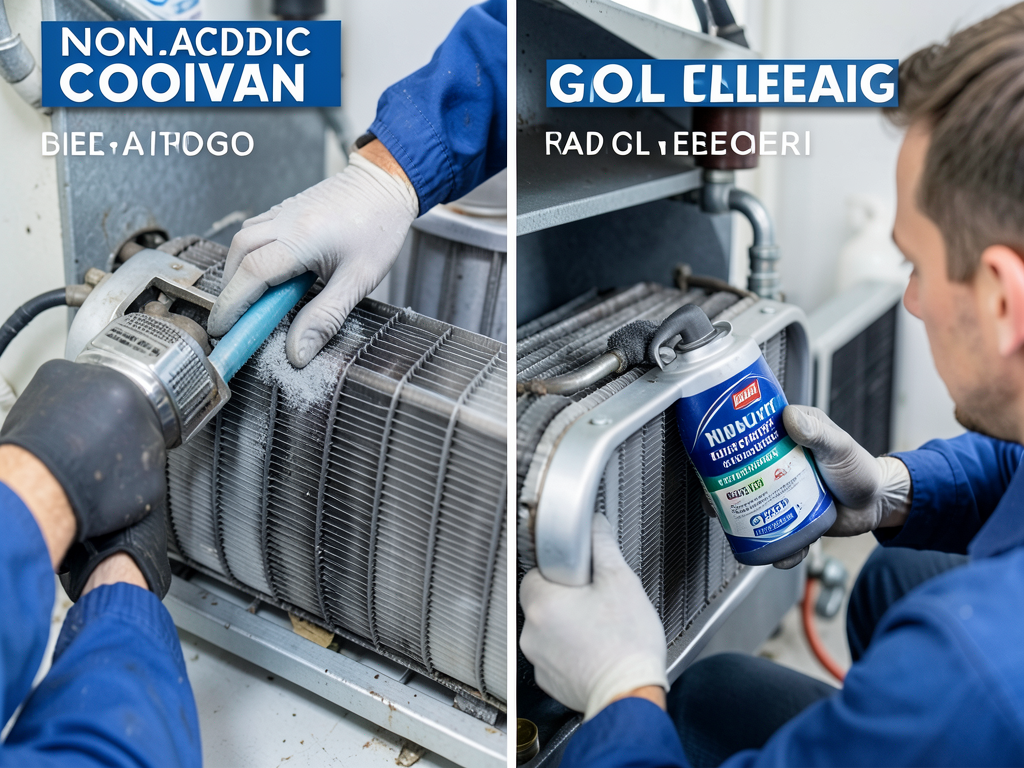
Professional cleaning is the most effective solution for eliminating Dirty Sock Syndrome. HVAC technicians use specialized non-acidic coil cleaners that kill bacteria without damaging the delicate aluminum fins of your evaporator coil. These biocidal treatments typically cost between $150-300 in the Olathe area, depending on coil accessibility and system configuration.
For persistent problems, technicians may apply antimicrobial coatings to the coil surface. These EPA-registered treatments create a barrier that prevents bacterial adhesion and growth for up to two years. The coating process adds approximately $100-150 to the cleaning cost but provides longer-lasting protection. EPA Indoor Air Quality.
UV germicidal lights represent a permanent solution for homeowners who experience recurring issues. Installed near the evaporator coil, these UVC lamps kill bacteria, mold, and viruses on contact. While the initial investment ranges from $400-800 installed, UV systems eliminate the need for frequent coil cleanings and improve overall indoor air quality.
DIY Steps to Reduce the Odor
While professional cleaning provides the most thorough solution, several DIY steps can help reduce the odor and prevent recurrence:
- Replace your air filter: Upgrade to a MERV 11-13 pleated filter to capture smaller particles before they reach the coil
- Clean the condensate drain line: Pour a cup of white vinegar down the drain to kill bacteria in the condensate pan
- Check for standing water: Ensure the condensate drain pan slopes properly toward the drain line
- Improve drainage: Verify that condensate lines drain completely and aren’t creating standing water
These steps can provide temporary relief but won’t eliminate established biofilm on the coil. If the odor returns within a few weeks, professional cleaning is necessary.
Prevention Strategies for Olathe Homeowners
Preventing Dirty Sock Syndrome requires addressing the conditions that promote bacterial growth. Start with proper humidity control. Olathe’s humid climate means your AC may not run long enough during mild weather to adequately dehumidify your home. Consider adding a whole-house dehumidifier to maintain indoor humidity between 40-50%, the optimal range for preventing microbial growth.
Regular maintenance is crucial. Schedule professional HVAC cleaning twice yearly—once before cooling season and once before heating season. This timing addresses the biofilm that develops during shoulder seasons when your system cycles most frequently.
Upgrade your filtration system. Standard 1-inch filters capture only 20-30% of airborne particles. High-efficiency filters with MERV ratings of 11-13 capture up to 90% of particles as small as 1 micron, significantly reducing the organic matter that feeds bacterial growth on your coil.
Health Implications You Should Know
While Dirty Sock Syndrome primarily causes odor issues, the bacteria and mold growing on your evaporator coil can affect indoor air quality. People with allergies, asthma, or respiratory sensitivities may experience increased symptoms when these microorganisms circulate through your home’s air.
The volatile organic compounds produced by bacteria can cause headaches, fatigue, and respiratory irritation in sensitive individuals. Children, elderly family members, and those with compromised immune systems are particularly vulnerable to these effects.
Beyond health concerns, the reduced heat transfer efficiency caused by biofilm buildup increases your energy costs. A dirty coil can reduce system efficiency by 15-30%, forcing your HVAC system to run longer to achieve the same comfort level.
When to Call a Professional Immediately
While Dirty Sock Syndrome is usually not an emergency, certain situations require immediate professional attention. If you notice any of these warning signs, call (816) 473-9177 right away: Who to call for 24 hour emergency AC repair in Shawnee when the heat index spikes.
- The odor is accompanied by visible mold growth around vents or on walls
- You hear unusual noises from the air handler when the odor is present
- The smell intensifies dramatically or changes character suddenly
- You experience respiratory symptoms that worsen when the HVAC system runs
These symptoms could indicate more serious issues like mold contamination throughout your ductwork or electrical problems that pose safety risks.. Read more about Essential HVAC Safety Tips for Families with Toddlers and Crawling Babies in Lenexa.
Cost Comparison: DIY vs. Professional Solutions
| Solution Type | Initial Cost | Effectiveness | Duration |
|---|---|---|---|
| DIY Filter Replacement | $20-60 | Low | 1-3 months |
| DIY Coil Cleaning Spray | $25-40 | Moderate | 1-2 months |
| Professional Coil Cleaning | $150-300 | High | 6-12 months |
| Antimicrobial Coating | $250-450 | Very High | 18-24 months |
| UV Germicidal Light | $400-800 | Exceptional | 5+ years |
Frequently Asked Questions
Is Dirty Sock Syndrome dangerous to my health?
While primarily an odor issue, the bacteria and mold on your coil can affect indoor air quality. People with allergies or respiratory conditions may experience increased symptoms. The volatile organic compounds produced can cause headaches and fatigue in sensitive individuals.
How long does professional coil cleaning take?
Most professional coil cleaning services take 1-2 hours, depending on system accessibility. Technicians must access the air handler, apply cleaning solutions, and ensure proper drainage afterward. UV light installation typically adds another 1-2 hours to the service call.
Can I prevent this from happening again?
Yes. Regular maintenance, proper humidity control, and upgraded filtration significantly reduce recurrence. Installing a UV germicidal light provides the most reliable prevention, while twice-yearly professional cleaning addresses seasonal buildup before it becomes problematic. How to find a reliable air conditioning repair technician in Overland Park.
Will this fix itself when I switch to heating only?
No. The bacteria remain on the coil surface regardless of system mode. In fact, heating season can make the odor more noticeable as warm air circulates through the contaminated coil. Professional cleaning is necessary to eliminate the source.
Take Action Today
That foul odor from your vents isn’t just annoying—it’s a sign of microbial growth that affects your comfort, health, and energy bills. Olathe’s humid climate makes this problem particularly common, but you don’t have to live with it.
Professional cleaning eliminates the bacteria at the source, while UV germicidal lights prevent recurrence. Most homeowners notice immediate improvement in both odor and system efficiency after professional service.
Don’t let another day go by breathing contaminated air or wasting energy on an inefficient system. Call (816) 473-9177 today to schedule your inspection and take the first step toward fresh, clean air throughout your home.
Our experienced technicians understand Olathe’s unique climate challenges and provide solutions that work in our specific conditions. We’ll diagnose the exact cause of your odor problem and recommend the most cost-effective solution for your situation.
Pick up the phone and call (816) 473-9177 before the next humidity spike makes the problem worse. Your family deserves to breathe clean, fresh air without that musty odor following them from room to room. For more information, visit ASHRAE Technical Resources.
{
“@context”: “https://schema.org”,
“@type”: “BlogPosting”,
“headline”: “The Real Reason Your Vents Smell Like Dirty Socks in Olathe”,
“description”: “That foul odor from your vents isn’t just annoying—it’s a sign of microbial growth. Learn what causes dirty sock syndrome in Olathe homes and how to fix it.”,
“wordCount”: 1666,
“datePublished”: “2026-05-30T11:49:00.000Z”,
“dateModified”: “2026-05-30T11:49:00.000Z”,
“inLanguage”: “en-US”,
“mainEntityOfPage”: {
“@type”: “WebPage”,
“@id”: “https://unitedhvackansascity.com”
},
“publisher”: {
“@type”: “LocalBusiness”,
“name”: “United HVAC Kansas City”,
“url”: “https://unitedhvackansascity.com”
},
“author”: {
“@type”: “Organization”,
“name”: “United HVAC Kansas City”,
“url”: “https://unitedhvackansascity.com”
},
“image”: {
“@type”: “ImageObject”,
“url”: “https://unitedhvackansascity.com/wp-content/uploads/2026/03/the-real-reason-your-vents-smell-like-dirty-socks-1.png”
}
}
{
“@context”: “https://schema.org”,
“@type”: “HVACBusiness”,
“name”: “United HVAC Kansas City”,
“url”: “https://unitedhvackansascity.com”,
“address”: {
“@type”: “PostalAddress”,
“addressLocality”: “Kansas City”
},
“areaServed”: {
“@type”: “City”,
“name”: “Kansas City”
}
}
{
“@context”: “https://schema.org”,
“@type”: “FAQPage”,
“mainEntity”: [
{
“@type”: “Question”,
“name”: “Is Dirty Sock Syndrome dangerous to my health?”,
“acceptedAnswer”: {
“@type”: “Answer”,
“text”: “While primarily an odor issue, the bacteria and mold on your coil can affect indoor air quality. People with allergies or respiratory conditions may experience increased symptoms. The volatile organic compounds produced can cause headaches and fatigue in sensitive individuals.”
}
},
{
“@type”: “Question”,
“name”: “How long does professional coil cleaning take?”,
“acceptedAnswer”: {
“@type”: “Answer”,
“text”: “Most professional coil cleaning services take 1-2 hours, depending on system accessibility. Technicians must access the air handler, apply cleaning solutions, and ensure proper drainage afterward. UV light installation typically adds another 1-2 hours to the service call.”
}
},
{
“@type”: “Question”,
“name”: “Can I prevent this from happening again?”,
“acceptedAnswer”: {
“@type”: “Answer”,
“text”: “Yes. Regular maintenance, proper humidity control, and upgraded filtration significantly reduce recurrence. Installing a UV germicidal light provides the most reliable prevention, while twice-yearly professional cleaning addresses seasonal buildup before it becomes problematic. How to find a reliable air conditioning repair technician in Overland Park.”
}
},
{
“@type”: “Question”,
“name”: “Will this fix itself when I switch to heating only?”,
“acceptedAnswer”: {
“@type”: “Answer”,
“text”: “No. The bacteria remain on the coil surface regardless of system mode. In fact, heating season can make the odor more noticeable as warm air circulates through the contaminated coil. Professional cleaning is necessary to eliminate the source.”
}
}
]
}
{
“@context”: “https://schema.org”,
“@type”: “BreadcrumbList”,
“itemListElement”: [
{
“@type”: “ListItem”,
“position”: 1,
“name”: “Home”,
“item”: “https://unitedhvackansascity.com”
},
{
“@type”: “ListItem”,
“position”: 2,
“name”: “Blog”,
“item”: “https://unitedhvackansascity.com/blog”
},
{
“@type”: “ListItem”,
“position”: 3,
“name”: “The Real Reason Your Vents Smell Like Dirty Socks in Olathe”
}
]
}
{
“@context”: “https://schema.org”,
“@type”: “Service”,
“serviceType”: “HVAC”,
“provider”: {
“@type”: “LocalBusiness”,
“name”: “United HVAC Kansas City”,
“url”: “https://unitedhvackansascity.com”
},
“areaServed”: {
“@type”: “City”,
“name”: “Kansas City”
},
“description”: “That foul odor from your vents isn’t just annoying—it’s a sign of microbial growth. Learn what causes dirty sock syndrome in Olathe homes and how to fix it.”
}