The real reason your AC drain line keeps clogging every summer in Olathe
Your AC drain line clogs every summer in Olathe because of the region’s high humidity combined with the city’s hard water minerals. When warm air hits the cold evaporator coil, moisture condenses and flows into the drain line. Over time, mineral deposits, algae, and mold build up inside the PVC pipe, creating a blockage that forces water to back up into your home. The Midwest’s humid summers accelerate this process, making drain line clogs a predictable seasonal problem for Olathe homeowners.
The issue becomes more severe in Olathe because many homes sit on expansive clay soil that shifts slightly with moisture changes. This movement can stress the drain line connections, creating microscopic gaps where debris accumulates. Add in the area’s high pollen counts and cottonwood seed season, and you have a perfect recipe for recurring clogs.
Signs your AC drain line is clogged
Water pooling around your indoor unit is the most obvious sign, but other symptoms include musty odors from vents, the AC shutting off unexpectedly, or water stains on ceilings below attic units. Some Olathe homes have secondary drain pans with float switches that automatically shut down the system when water backs up, preventing major damage but leaving you without cooling. Storm Damage HVAC Repair.
You might also notice reduced cooling efficiency as the system struggles to maintain temperature with restricted airflow. In severe cases, you’ll hear gurgling sounds from the drain line or see water dripping from the secondary overflow pipe outside your home.
Why Olathe’s climate causes frequent clogs
Olathe experiences average summer humidity levels around 65-70%, which is significantly higher than many other regions. This moisture creates ideal conditions for biological growth inside drain lines. The city’s water supply contains calcium and magnesium that precipitate out when water sits in the drain line, forming scale deposits that trap algae and mold spores.
Local building codes require secondary drain pans for attic installations, but many older Olathe homes were built before these requirements existed. Without proper overflow protection, a clogged drain line can cause thousands of dollars in water damage before you notice the problem. Local HVAC experts for boiler maintenance and repair near the Country Club Plaza.
5 steps to clear a clogged drain line (DIY guide)
- Locate the drain line
Find the PVC pipe near your indoor unit, typically a white pipe with a cap. In Olathe homes, this is often in the attic or basement. Look for the main drain line and the secondary overflow line.
- Turn off the AC system
Shut off power at the thermostat and breaker to prevent the system from running while you work. This protects both you and the equipment. Smart Thermostat Benefits.
- Attach wet/dry vacuum
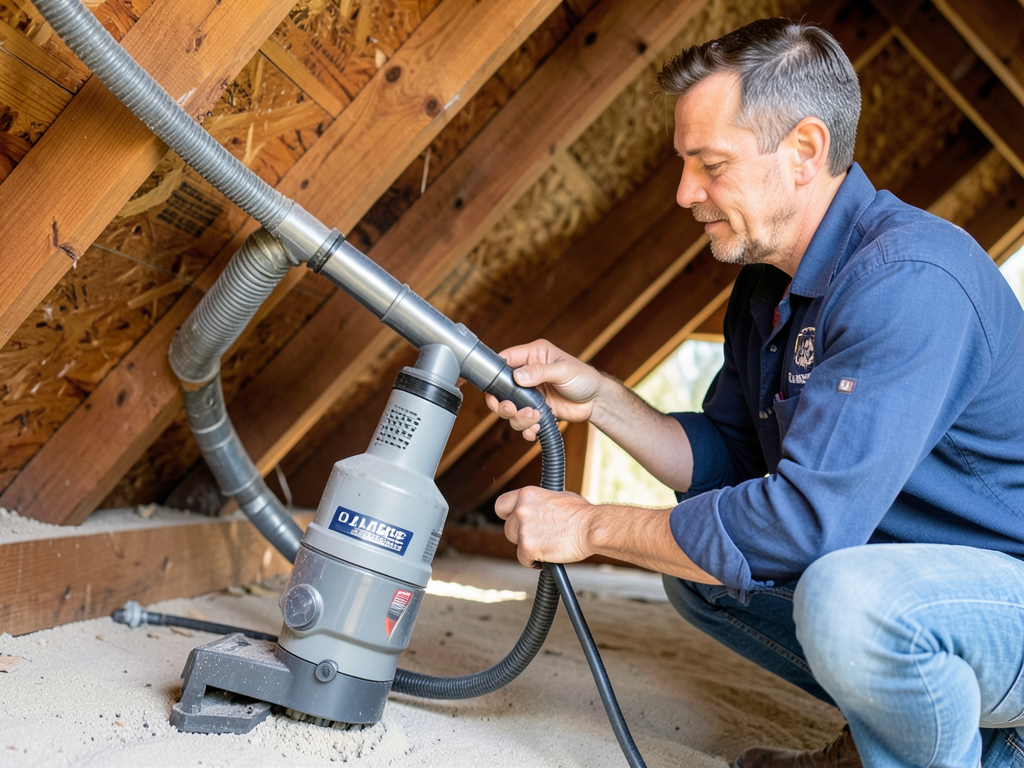
Connect a wet/dry vacuum to the drain line outlet outside your home. Seal the connection with duct tape to create strong suction. Run the vacuum for 3-5 minutes to pull out the clog.
- Flush with vinegar solution
Mix equal parts distilled white vinegar and water. Pour this solution into the drain line access point to kill remaining algae and break down mineral deposits. Let it sit for 30 minutes.
- Test the system
Restore power and run the AC for 15-20 minutes. Check that water flows freely from the drain line outside. If water still backs up, the clog may be deeper in the system.
When to call a Kansas City HVAC professional
Call a professional if you’ve tried clearing the line twice without success, if you notice water damage to walls or ceilings, or if your system won’t turn back on after clearing attempts. Professional technicians use CO2 cartridges or high-pressure water jets that can clear blockages deep in the line without damaging PVC pipes.
Professional service becomes critical when you have a condensate pump failure. These pumps are common in Olathe basements where gravity drainage isn’t possible. A failing pump can cause water to overflow even if the drain line is clear.
Call (816) 473-9177 today to schedule your inspection if you notice any of these warning signs. Quick action prevents costly water damage repairs. EPA mold information.
Prevention tips for Olathe homeowners
Install algae tablets in your drain pan annually to prevent biological growth. These slow-release tablets keep the line clear for 6-12 months. Schedule professional drain line cleaning every spring before cooling season begins.
Check your secondary drain pan monthly during summer. Many Olathe homes have finished basements where undetected leaks can ruin flooring and drywall. Install a water alarm in the secondary pan for early warning.
Consider upgrading to a larger diameter drain line if your home has multiple AC units or high cooling loads. The standard 3/4-inch line can struggle with heavy condensation during humid Olathe summers.
Understanding your AC condensate system
Your AC system removes humidity by condensing water vapor on the cold evaporator coil. This water needs somewhere to go, which is where the condensate drain system comes in. The primary drain line carries water away from your home, while the secondary line serves as backup if the primary clogs.
In Olathe, many homes have the air handler in the attic or basement due to the region’s mixed climate. Attic installations are particularly vulnerable because any leak can damage ceilings and insulation before you notice the problem.
The International Mechanical Code requires proper condensate disposal, but many older Olathe homes predate these requirements. If your system was installed before the 2000s, it might lack modern safety features like overflow switches. International Code Council.
Common mistakes that lead to clogs
Pouring bleach down the drain line seems like a good idea but actually damages PVC pipes over time. Bleach also creates harmful fumes when mixed with other chemicals that might already be in your drain line.
Ignoring small leaks allows mineral deposits to build up gradually. What starts as a slow drip becomes a full blockage over months. Regular maintenance prevents this gradual deterioration.
Using the wrong tools can damage your system. Avoid using metal snakes or coat hangers that can puncture the delicate coil fins or crack the PVC pipe. Stick to soft-bristle brushes and proper drain line cleaning tools.
The cost of ignoring drain line maintenance
A simple drain line cleaning costs $75-150, but water damage repairs can run $2,000-5,000 or more. In Olathe, where many homes have finished basements, the damage potential is even higher. Same day furnace repair services for families in Lee’s Summit.
Beyond immediate repairs, mold growth from chronic moisture exposure can create health hazards and require professional remediation. The EPA estimates that mold remediation costs average $2,325 nationally, but can be much higher for extensive damage. Who to call for 24 hour emergency AC repair in Shawnee when the heat index spikes.
System damage from overflow can also shorten your AC’s lifespan. Water in electrical components causes corrosion that leads to premature failure of expensive parts like the control board or compressor.
Professional drain line cleaning methods
Professional technicians use several methods to clear stubborn clogs. The most common is high-pressure water jetting, which uses specialized nozzles to blast through blockages without damaging pipes. This method is particularly effective for Olathe’s mineral-heavy water deposits.
CO2 cleaning uses compressed carbon dioxide cartridges to create a powerful pulse that dislodges clogs. This method works well for organic growth and is gentler on older pipes than high-pressure water.
For severe cases, technicians might use video inspection to locate exactly where the blockage occurs. This diagnostic step prevents unnecessary damage from exploratory work and ensures the problem is fully resolved.
Choosing the right HVAC contractor in Olathe
Look for NATE-certified technicians who understand local building codes and climate challenges. The Johnson County contractor licensing requirements ensure professionals meet minimum competency standards.
Ask about emergency service availability. Drain line emergencies often happen on the hottest days when you need cooling most. A company that offers same-day service can prevent a minor clog from becoming a major crisis.
Check online reviews specifically for drain line services. Many contractors handle installations but lack experience with the diagnostic skills needed for persistent clogging issues.
Pick up the phone and call (816) 473-9177 before the next storm hits. Our Olathe-based technicians understand the unique challenges of Midwest humidity and can prevent seasonal clogs before they start.
Frequently Asked Questions
How often should I clean my AC drain line?
Clean your AC drain line annually before cooling season begins. In Olathe’s humid climate, consider cleaning every six months if you notice recurring issues. Regular maintenance prevents the algae and mineral buildup that causes most clogs.
Can I use bleach to clean my AC drain line?
Avoid using bleach as it can damage PVC pipes and create harmful fumes. Instead, use distilled white vinegar or specialized HVAC drain line cleaners. These options kill algae and break down mineral deposits without harming your system.
Why does my AC keep shutting off?
Your AC may have a float switch in the secondary drain pan that shuts off the system when water backs up from a clogged primary line. This safety feature prevents water damage but leaves you without cooling until the clog is cleared.
How much does professional drain line cleaning cost?
Professional drain line cleaning in Olathe typically costs $75-150, depending on the severity of the clog and your system’s accessibility. Emergency services during peak summer months may cost more due to high demand.
What causes the musty smell from my vents?
A musty smell usually indicates mold or mildew growth in your drain line or evaporator coil. The high humidity in Olathe creates perfect conditions for biological growth, especially when water sits in clogged drain lines.
You may also find this helpful. Maximizing Your Evergy and Spire Rebates on a New HVAC System in Olathe.
You may also find this helpful. HVAC Tasks You Can Safely DIY (And When to Call an Expert in Overland Park).
{
“@context”: “https://schema.org”,
“@type”: “BlogPosting”,
“headline”: “The real reason your AC drain line keeps clogging every summer in Olathe”,
“description”: “Find out why Olathe AC drain lines clog every summer and how to prevent water damage. Local HVAC experts explain the real cause and solutions.”,
“wordCount”: 1616,
“datePublished”: “2026-04-04T08:33:00.000Z”,
“dateModified”: “2026-04-04T08:33:00.000Z”,
“inLanguage”: “en-US”,
“mainEntityOfPage”: {
“@type”: “WebPage”,
“@id”: “https://unitedhvackansascity.com”
},
“publisher”: {
“@type”: “LocalBusiness”,
“name”: “United HVAC Kansas City”,
“url”: “https://unitedhvackansascity.com”
},
“author”: {
“@type”: “Organization”,
“name”: “United HVAC Kansas City”,
“url”: “https://unitedhvackansascity.com”
},
“image”: {
“@type”: “ImageObject”,
“url”: “https://unitedhvackansascity.com/wp-content/uploads/2026/03/the-real-reason-your-ac-drain-line-keeps-clogging-1.png”
}
}
{
“@context”: “https://schema.org”,
“@type”: “HVACBusiness”,
“name”: “United HVAC Kansas City”,
“url”: “https://unitedhvackansascity.com”,
“address”: {
“@type”: “PostalAddress”,
“addressLocality”: “Kansas City”
},
“areaServed”: {
“@type”: “City”,
“name”: “Kansas City”
}
}
{
“@context”: “https://schema.org”,
“@type”: “FAQPage”,
“mainEntity”: [
{
“@type”: “Question”,
“name”: “How often should I clean my AC drain line?”,
“acceptedAnswer”: {
“@type”: “Answer”,
“text”: “Clean your AC drain line annually before cooling season begins. In Olathe’s humid climate, consider cleaning every six months if you notice recurring issues. Regular maintenance prevents the algae and mineral buildup that causes most clogs.”
}
},
{
“@type”: “Question”,
“name”: “Can I use bleach to clean my AC drain line?”,
“acceptedAnswer”: {
“@type”: “Answer”,
“text”: “Avoid using bleach as it can damage PVC pipes and create harmful fumes. Instead, use distilled white vinegar or specialized HVAC drain line cleaners. These options kill algae and break down mineral deposits without harming your system.”
}
},
{
“@type”: “Question”,
“name”: “Why does my AC keep shutting off?”,
“acceptedAnswer”: {
“@type”: “Answer”,
“text”: “Your AC may have a float switch in the secondary drain pan that shuts off the system when water backs up from a clogged primary line. This safety feature prevents water damage but leaves you without cooling until the clog is cleared.”
}
},
{
“@type”: “Question”,
“name”: “How much does professional drain line cleaning cost?”,
“acceptedAnswer”: {
“@type”: “Answer”,
“text”: “Professional drain line cleaning in Olathe typically costs $75-150, depending on the severity of the clog and your system’s accessibility. Emergency services during peak summer months may cost more due to high demand.”
}
},
{
“@type”: “Question”,
“name”: “What causes the musty smell from my vents?”,
“acceptedAnswer”: {
“@type”: “Answer”,
“text”: “A musty smell usually indicates mold or mildew growth in your drain line or evaporator coil. The high humidity in Olathe creates perfect conditions for biological growth, especially when water sits in clogged drain lines.”
}
}
]
}
{
“@context”: “https://schema.org”,
“@type”: “HowTo”,
“name”: “How to Clear a Clogged AC Drain Line”,
“step”: [
{
“@type”: “HowToStep”,
“position”: 1,
“name”: “Locate the drain line”,
“text”: “Find the PVC pipe near your indoor unit, typically a white pipe with a cap. In Olathe homes, this is often in the attic or basement. Look for the main drain line and the secondary overflow line.”
},
{
“@type”: “HowToStep”,
“position”: 2,
“name”: “Turn off the AC system”,
“text”: “Shut off power at the thermostat and breaker to prevent the system from running while you work. This protects both you and the equipment. Smart Thermostat Benefits.”
},
{
“@type”: “HowToStep”,
“position”: 3,
“name”: “Attach wet/dry vacuum”,
“text”: “Connect a wet/dry vacuum to the drain line outlet outside your home. Seal the connection with duct tape to create strong suction. Run the vacuum for 3-5 minutes to pull out the clog.”
},
{
“@type”: “HowToStep”,
“position”: 4,
“name”: “Flush with vinegar solution”,
“text”: “Mix equal parts distilled white vinegar and water. Pour this solution into the drain line access point to kill remaining algae and break down mineral deposits. Let it sit for 30 minutes.”
},
{
“@type”: “HowToStep”,
“position”: 5,
“name”: “Test the system”,
“text”: “Restore power and run the AC for 15-20 minutes. Check that water flows freely from the drain line outside. If water still backs up, the clog may be deeper in the system.”
}
],
“image”: “https://unitedhvackansascity.com/wp-content/uploads/2026/03/the-real-reason-your-ac-drain-line-keeps-clogging-1.png”
}
{
“@context”: “https://schema.org”,
“@type”: “BreadcrumbList”,
“itemListElement”: [
{
“@type”: “ListItem”,
“position”: 1,
“name”: “Home”,
“item”: “https://unitedhvackansascity.com”
},
{
“@type”: “ListItem”,
“position”: 2,
“name”: “Blog”,
“item”: “https://unitedhvackansascity.com/blog”
},
{
“@type”: “ListItem”,
“position”: 3,
“name”: “The real reason your AC drain line keeps clogging every summer in Olathe”
}
]
}
{
“@context”: “https://schema.org”,
“@type”: “Service”,
“serviceType”: “HVAC”,
“provider”: {
“@type”: “LocalBusiness”,
“name”: “United HVAC Kansas City”,
“url”: “https://unitedhvackansascity.com”
},
“areaServed”: {
“@type”: “City”,
“name”: “Kansas City”
},
“description”: “Find out why Olathe AC drain lines clog every summer and how to prevent water damage. Local HVAC experts explain the real cause and solutions.”
}