
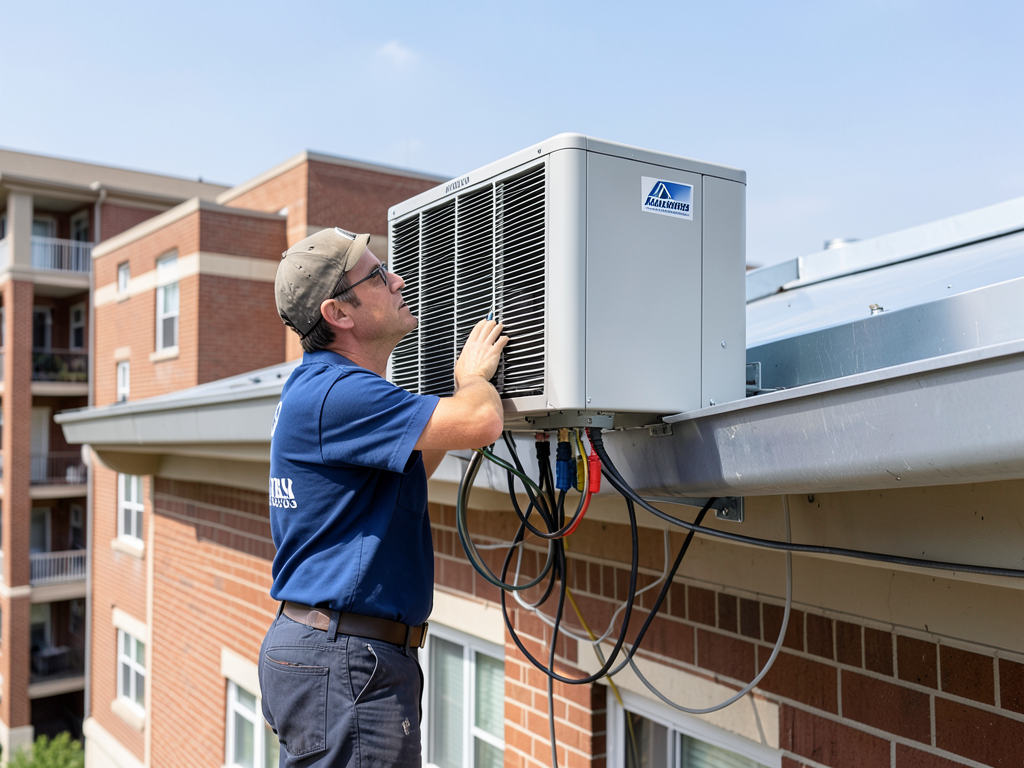
The Most Durable HVAC Systems for Airbnb and Rental Property Owners in Kansas City
Kansas City property owners face unique challenges when selecting HVAC systems for rental properties and Airbnb units. The region’s extreme temperature swings, from sub-zero winters to 100-degree summers, demand equipment that can withstand heavy cycling while maintaining efficiency. For landlords and property managers, durability isn’t just about longevity—it’s about protecting your investment, minimizing emergency repairs, and keeping tenants comfortable year-round. EPA Section 608 refrigerant handling.
The most reliable HVAC systems for Kansas City rentals combine commercial-grade components with smart technology features that reduce wear and tear. These units typically feature enhanced compressors, corrosion-resistant coils, and diagnostic capabilities that alert you to potential issues before they become costly failures. When properly selected and maintained, these systems can deliver 15-20 years of service in the demanding Midwest climate. How to find a reliable air conditioning repair technician in Overland Park.
Key Features of Durable Rental Property HVAC Systems
Commercial-grade HVAC equipment offers several advantages for rental properties. These systems typically include heavier-duty compressors rated for 10,000+ hours of operation compared to 6,000-8,000 hours for standard residential units. The enhanced filtration systems capture more airborne particles, which is crucial in older Kansas City homes where dust and allergens accumulate quickly.. Read more about Lennox vs Carrier — Which Brand Handles the Kansas City Humidity Best?.
Smart thermostat integration represents another critical feature for rental properties. Modern systems with Wi-Fi connectivity allow property managers to monitor temperature settings, detect unusual patterns that might indicate equipment problems, and make remote adjustments to prevent freezing or overheating. This capability alone can save thousands in potential damage from tenant misuse or system failure. Storm Damage HVAC Repair.
Top HVAC System Brands for Kansas City Rentals
Several manufacturers have developed product lines specifically targeting the rental property market. These systems prioritize reliability over cutting-edge efficiency, understanding that property owners value predictable performance and minimal maintenance over maximum SEER ratings.
Trane’s Commercial Series offers enhanced compressor protection and corrosion-resistant coatings that perform exceptionally well in Kansas City’s humid summers. The units feature diagnostic boards that store error codes, making troubleshooting faster for maintenance teams. Similarly, Carrier’s WeatherExpert line includes enhanced coil protection and a five-year parts warranty that covers most common failure points.
Rheem’s Prestige Series combines durability with smart home integration, allowing property managers to monitor multiple units through a single dashboard. The systems include built-in freeze protection and compressor time-delay features that prevent short cycling—a common cause of premature failure in rental properties.
Installation Considerations for Maximum Durability
Proper installation significantly impacts system longevity. In Kansas City’s clay soil conditions, HVAC pads require special attention to prevent shifting that can damage refrigerant lines and electrical connections. Professional installers use reinforced concrete pads with vibration isolation to minimize wear on critical components.
Condenser placement affects system durability. Units installed in shaded areas with adequate clearance experience less thermal stress and require fewer emergency repairs. For properties in older Kansas City neighborhoods with mature trees, strategic placement can extend equipment life by 2-3 years compared to units exposed to direct afternoon sun. Same day furnace repair services for families in Lee’s Summit.
Electrical protection represents another crucial installation factor. Kansas City experiences frequent summer thunderstorms that can damage HVAC electronics. Professional installations include surge protection at both the main panel and individual equipment connections, preventing costly control board replacements.
Maintenance Requirements for Rental Property HVAC Systems
Preventative maintenance schedules for rental properties differ from owner-occupied homes. Quarterly inspections catch tenant-caused issues like clogged filters or blocked vents before they cause system failures. Professional technicians check refrigerant levels, inspect electrical connections, and test safety controls during each visit.
Air filter management presents unique challenges in rental properties. High-quality pleated filters with MERV ratings between 8-11 provide optimal balance between air quality and system efficiency. Some property managers implement filter subscription services that deliver replacements to tenants quarterly, ensuring consistent maintenance.
Coil cleaning frequency impacts system durability significantly. Kansas City’s high humidity promotes algae growth in condensate drains and reduces heat transfer efficiency in coils. Annual professional cleaning prevents the efficiency losses that can increase energy costs by 15-20% over a system’s lifetime.
Cost Analysis: Investment vs. Long-Term Savings
Durable HVAC systems require higher upfront investment but deliver superior return on investment for rental property owners. A quality commercial-grade system typically costs 30-40% more than standard residential equipment but can reduce maintenance costs by 60% over a ten-year period.
Energy efficiency considerations extend beyond SEER ratings. Systems with variable-speed blowers and two-stage compressors maintain more consistent temperatures, reducing tenant complaints and extending equipment life. The improved comfort levels often justify the additional investment through higher rental rates and better tenant retention.
Warranty coverage represents another cost factor. Commercial-grade systems typically include 5-10 year parts warranties with extended labor coverage options. These warranties protect against the most expensive repair categories—compressor and heat exchanger failures—which can cost $1,500-$3,000 to replace. Who to call for 24 hour emergency AC repair in Shawnee when the heat index spikes.
Smart Technology Integration for Property Management
Modern HVAC systems offer property management features that transform maintenance from reactive to proactive. Smart thermostats with occupancy sensors can detect when units run continuously, indicating potential problems before tenants notice discomfort. Some systems send text alerts when temperatures exceed preset ranges, allowing managers to address issues during off-hours.
Remote monitoring capabilities enable property managers to verify system operation across multiple properties from a single interface. This feature proves invaluable for owners with properties in different Kansas City neighborhoods or those who travel frequently. The ability to adjust settings remotely eliminates unnecessary service calls when tenants simply need guidance on thermostat operation.
Energy usage tracking helps identify inefficient units before they fail completely. Systems that suddenly consume more electricity often indicate developing problems like refrigerant leaks or failing compressors. Early detection allows for scheduled repairs during planned maintenance rather than emergency service calls.
Local Building Code Requirements in Kansas City
Kansas City’s mechanical code requirements affect HVAC system selection for rental properties. The 2021 International Mechanical Code, adopted by both Missouri and Kansas portions of the metro area, mandates specific ventilation rates for rental units based on square footage and occupancy. 2021 International Mechanical Code.
Carbon monoxide detection requirements have become increasingly stringent. All rental properties in Kansas City must install CO detectors within 15 feet of sleeping areas, with interconnected systems required for multi-family buildings. These requirements influence system placement and may necessitate additional venting modifications during equipment replacement.
Energy efficiency standards continue evolving, with the 2024 code updates requiring minimum SEER ratings of 15 for new installations. While these standards increase initial costs, they provide long-term savings through reduced utility expenses—particularly important for properties where tenants pay utilities directly.
Common Failure Points in Rental Property HVAC Systems
Understanding typical failure patterns helps property owners select more durable equipment. Compressor failures represent the most expensive repair category, often caused by voltage fluctuations, refrigerant contamination, or inadequate lubrication. Systems with enhanced compressor protection and voltage regulation technology demonstrate significantly better reliability in rental applications.
Condensate drain issues plague rental properties more frequently than owner-occupied homes. Tenants often overlook drain maintenance, leading to algae buildup and potential water damage. Systems with improved drain pan designs and antimicrobial treatments reduce these problems substantially.
Control board failures occur when systems experience power surges or extreme temperature cycling. Commercial-grade equipment typically includes enhanced circuit protection and higher-quality components that withstand the demanding conditions common in rental properties.
Financing Options for Property Owners
Several financing programs help property owners invest in durable HVAC systems. Utility company rebates for high-efficiency equipment can reduce costs by $300-$1,000 depending on the system’s efficiency rating. These programs often require specific brands or efficiency levels, so coordination with your HVAC contractor ensures maximum rebate eligibility.
Property improvement loans offer another financing avenue, with terms typically ranging from 5-10 years. These loans often feature lower interest rates than standard credit cards and may include tax advantages for rental property owners. Some local banks offer specialized programs for Kansas City property investors that consider rental income when qualifying applicants. Local HVAC experts for boiler maintenance and repair near the Country Club Plaza.
Equipment leasing represents an alternative for owners who prefer predictable monthly expenses over capital investment. Lease programs typically include maintenance coverage and equipment replacement guarantees, eliminating unexpected repair costs entirely.
Emergency Response Planning for Rental Properties
Reliable HVAC systems require reliable emergency response plans. Property owners should establish relationships with contractors who offer 24/7 emergency service and maintain spare parts inventory for common repair items. Response time becomes critical during Kansas City’s extreme weather periods when system failures can create unsafe living conditions.
Backup heating solutions provide additional protection for rental properties. Portable electric heaters can maintain safe temperatures during furnace repairs, while window air conditioners offer temporary cooling when central systems fail. These investments typically pay for themselves through reduced emergency service costs and tenant satisfaction.
Communication protocols ensure tenants know how to report HVAC problems and what to expect during emergency repairs. Clear instructions about thermostat settings, filter changes, and basic troubleshooting can prevent many service calls while keeping tenants comfortable during repairs.
Tenant Education and System Longevity
Tenant behavior significantly impacts HVAC system durability. Simple education about proper thermostat use, filter changes, and vent clearance can extend equipment life by 3-5 years. Some property managers include HVAC care instructions in welcome packets and offer small incentives for tenants who report issues promptly.
Air filter subscription services eliminate the most common tenant maintenance failure. These programs deliver appropriate filters to tenants on schedule, ensuring systems operate at peak efficiency while protecting against premature component failure from restricted airflow.
Smart thermostats with usage reports help identify tenants who might be misusing systems. Excessive runtime or extreme temperature settings trigger alerts, allowing property managers to address issues before they cause equipment damage or excessive utility costs.
Environmental Considerations for Kansas City Properties
Environmental factors unique to Kansas City affect HVAC system durability. The region’s high humidity levels promote mold growth in ductwork and condensate pans, requiring enhanced filtration and antimicrobial treatments. Systems with improved moisture management features demonstrate better reliability in local conditions.
Soil composition impacts outdoor unit installation. Kansas City’s clay soil expands and contracts with moisture changes, potentially shifting equipment pads and damaging refrigerant lines. Professional installation includes proper pad preparation and anchoring systems that accommodate soil movement without compromising system integrity.
Air quality concerns affect system selection for older Kansas City homes. Properties built before 1980 may contain asbestos or lead paint, requiring specialized installation procedures and enhanced containment measures to protect both workers and future occupants.
Choosing the Right HVAC Contractor for Rental Properties
Selecting an experienced contractor becomes crucial when investing in durable HVAC systems. Look for companies with specific experience in multi-family and rental property installations, as these projects require different approaches than single-family homes. Commercial HVAC experience often translates well to rental property applications.
Maintenance agreement programs provide ongoing protection for your investment. Quality contractors offer tiered service plans that include quarterly inspections, priority emergency service, and discounted repair rates. These agreements ensure consistent maintenance while providing predictable budgeting for property owners.
References from other property owners offer valuable insights into contractor reliability and service quality. Ask about emergency response times, parts availability, and how the company handles warranty claims. The best contractors maintain detailed service histories that help predict future maintenance needs.
Future Trends in Rental Property HVAC Technology
Emerging technologies promise even greater durability and efficiency for rental property HVAC systems. Heat pump technology continues advancing, with cold-climate models now providing reliable heating even when temperatures drop below zero. These systems eliminate the need for separate heating and cooling equipment, reducing both installation and maintenance costs.
Internet of Things (IoT) integration enables predictive maintenance capabilities that could revolutionize rental property management. Systems that monitor their own performance and predict component failures before they occur will reduce emergency service calls and extend equipment life significantly.
Energy storage integration represents another frontier for rental property HVAC systems. Battery backup systems can maintain critical HVAC functions during power outages, protecting both tenant comfort and property integrity during Kansas City’s severe weather events.
Conclusion: Protecting Your Rental Property Investment
Selecting durable HVAC systems for Kansas City rental properties requires balancing initial costs against long-term reliability and operating expenses. The most successful property owners view HVAC equipment as critical infrastructure rather than simple appliances, investing in quality systems and professional maintenance to protect their investments.
The combination of commercial-grade components, smart technology integration, and professional installation creates HVAC systems that withstand the demanding conditions of rental properties while minimizing emergency repairs and tenant complaints. This approach delivers superior returns through extended equipment life, reduced maintenance costs, and improved tenant satisfaction.
For Kansas City property owners, the right HVAC system represents more than temperature control—it’s a strategic investment in property value, tenant retention, and operational efficiency. By understanding the unique requirements of rental applications and selecting equipment accordingly, owners can create reliable, cost-effective climate control solutions that serve their properties for decades.
Frequently Asked Questions
What is the average lifespan of a durable HVAC system in a Kansas City rental property?
Durable commercial-grade HVAC systems typically last 15-20 years in Kansas City rental properties when properly maintained. This compares to 10-12 years for standard residential equipment. The extended lifespan results from enhanced components, better filtration, and smart technology that prevents common failure modes.
How much more do durable HVAC systems cost compared to standard residential units?
Durable commercial-grade HVAC systems typically cost 30-40% more than standard residential units upfront. However, they often provide 60% lower maintenance costs over a ten-year period and can reduce emergency repair expenses by 70-80%, making them more cost-effective for rental property owners.
Should I require tenants to change air filters in rental properties?
Yes, but provide clear instructions and high-quality filters. Many property managers include quarterly filter delivery services or install smart thermostats that monitor filter condition. This approach ensures consistent maintenance while protecting the system from the restricted airflow that causes premature component failure.
What maintenance schedule do you recommend for rental property HVAC systems?
Quarterly professional inspections are ideal for rental properties, with additional filter changes every 60-90 days depending on tenant count and pet ownership. This schedule catches developing issues early while ensuring systems operate at peak efficiency throughout Kansas City’s extreme seasonal variations.
Are smart thermostats worth the investment for rental properties?
Absolutely. Smart thermostats typically pay for themselves within 12-18 months through energy savings, reduced emergency calls, and improved tenant satisfaction. The ability to monitor system operation remotely and receive alerts about potential problems provides significant peace of mind for property owners.
Call (816) 473-9177 today to schedule your inspection. Our experienced technicians understand the unique demands of Kansas City rental properties and can recommend the most durable HVAC systems for your specific needs.
You may also find this helpful. The Best Ways to Heat and Cool a New Carriage House or ADU in the Westside.
{
“@context”: “https://schema.org”,
“@type”: “BlogPosting”,
“headline”: “The Most Durable HVAC Systems for Airbnb and Rental Property Owners in Kansas City”,
“description”: “Discover the most durable HVAC systems for Airbnb and rental properties in Kansas City. Learn about high-efficiency units, smart thermostats, and maintenance tips to protect your investment.”,
“wordCount”: 2472,
“datePublished”: “2026-03-24T14:40:00.000Z”,
“dateModified”: “2026-03-24T14:40:00.000Z”,
“inLanguage”: “en-US”,
“mainEntityOfPage”: {
“@type”: “WebPage”,
“@id”: “https://unitedhvackansascity.com”
},
“publisher”: {
“@type”: “LocalBusiness”,
“name”: “United HVAC Kansas City”,
“url”: “https://unitedhvackansascity.com”
},
“author”: {
“@type”: “Organization”,
“name”: “United HVAC Kansas City”,
“url”: “https://unitedhvackansascity.com”
},
“image”: {
“@type”: “ImageObject”,
“url”: “https://unitedhvackansascity.com/wp-content/uploads/2026/03/the-most-durable-hvac-systems-for-airbnb-and-renta-1.png”
}
}
{
“@context”: “https://schema.org”,
“@type”: “HVACBusiness”,
“name”: “United HVAC Kansas City”,
“url”: “https://unitedhvackansascity.com”,
“address”: {
“@type”: “PostalAddress”,
“addressLocality”: “Kansas City”
},
“areaServed”: {
“@type”: “City”,
“name”: “Kansas City”
}
}
{
“@context”: “https://schema.org”,
“@type”: “FAQPage”,
“mainEntity”: [
{
“@type”: “Question”,
“name”: “What is the average lifespan of a durable HVAC system in a Kansas City rental property?”,
“acceptedAnswer”: {
“@type”: “Answer”,
“text”: “Durable commercial-grade HVAC systems typically last 15-20 years in Kansas City rental properties when properly maintained. This compares to 10-12 years for standard residential equipment. The extended lifespan results from enhanced components, better filtration, and smart technology that prevents common failure modes.”
}
},
{
“@type”: “Question”,
“name”: “How much more do durable HVAC systems cost compared to standard residential units?”,
“acceptedAnswer”: {
“@type”: “Answer”,
“text”: “Durable commercial-grade HVAC systems typically cost 30-40% more than standard residential units upfront. However, they often provide 60% lower maintenance costs over a ten-year period and can reduce emergency repair expenses by 70-80%, making them more cost-effective for rental property owners.”
}
},
{
“@type”: “Question”,
“name”: “Should I require tenants to change air filters in rental properties?”,
“acceptedAnswer”: {
“@type”: “Answer”,
“text”: “Yes, but provide clear instructions and high-quality filters. Many property managers include quarterly filter delivery services or install smart thermostats that monitor filter condition. This approach ensures consistent maintenance while protecting the system from the restricted airflow that causes premature component failure.”
}
},
{
“@type”: “Question”,
“name”: “What maintenance schedule do you recommend for rental property HVAC systems?”,
“acceptedAnswer”: {
“@type”: “Answer”,
“text”: “Quarterly professional inspections are ideal for rental properties, with additional filter changes every 60-90 days depending on tenant count and pet ownership. This schedule catches developing issues early while ensuring systems operate at peak efficiency throughout Kansas City’s extreme seasonal variations.”
}
},
{
“@type”: “Question”,
“name”: “Are smart thermostats worth the investment for rental properties?”,
“acceptedAnswer”: {
“@type”: “Answer”,
“text”: “Absolutely. Smart thermostats typically pay for themselves within 12-18 months through energy savings, reduced emergency calls, and improved tenant satisfaction. The ability to monitor system operation remotely and receive alerts about potential problems provides significant peace of mind for property owners.”
}
}
]
}
{
“@context”: “https://schema.org”,
“@type”: “BreadcrumbList”,
“itemListElement”: [
{
“@type”: “ListItem”,
“position”: 1,
“name”: “Home”,
“item”: “https://unitedhvackansascity.com”
},
{
“@type”: “ListItem”,
“position”: 2,
“name”: “Blog”,
“item”: “https://unitedhvackansascity.com/blog”
},
{
“@type”: “ListItem”,
“position”: 3,
“name”: “The Most Durable HVAC Systems for Airbnb and Rental Property Owners in Kansas City”
}
]
}
{
“@context”: “https://schema.org”,
“@type”: “Service”,
“serviceType”: “HVAC”,
“provider”: {
“@type”: “LocalBusiness”,
“name”: “United HVAC Kansas City”,
“url”: “https://unitedhvackansascity.com”
},
“areaServed”: {
“@type”: “City”,
“name”: “Kansas City”
},
“description”: “Discover the most durable HVAC systems for Airbnb and rental properties in Kansas City. Learn about high-efficiency units, smart thermostats, and maintenance tips to protect your investment.”
}