
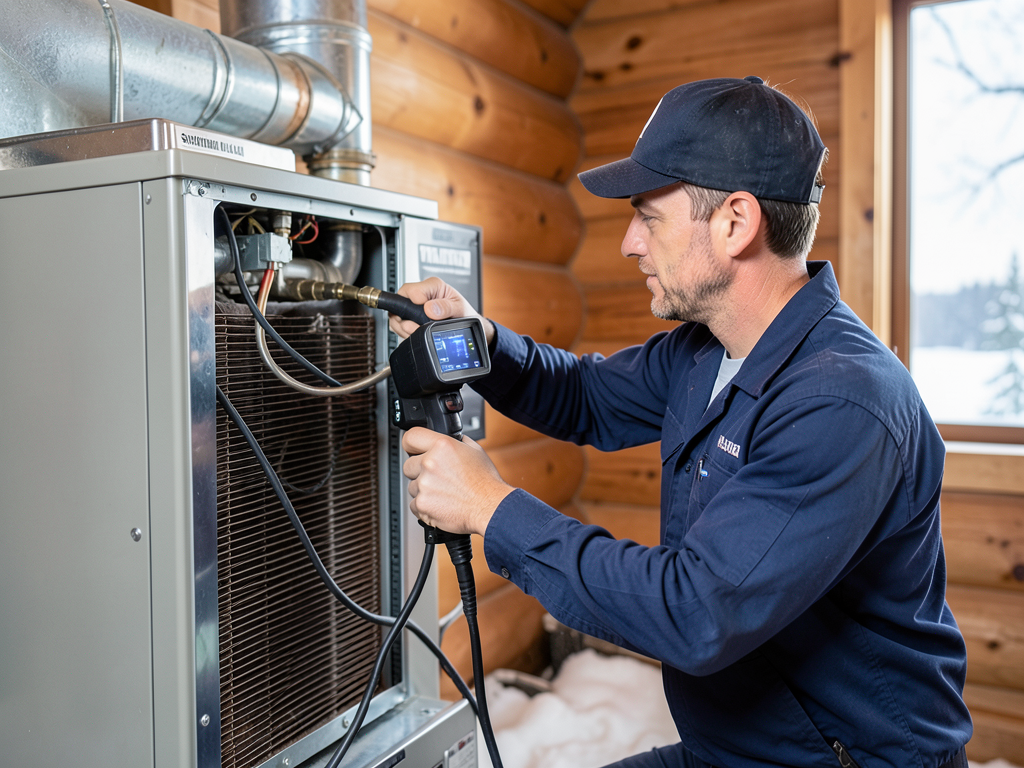
Protecting your Smithville Lake property from furnace failure during a winter freeze
Winter in Missouri brings brutal cold snaps that can turn your Smithville Lake cabin into a frozen liability. When you’re away from your lake house, a single furnace failure can cause thousands in water damage from burst pipes or ruined HVAC components. This guide shows you exactly how to protect your investment using local climate data, smart technology, and proven winterization techniques that work specifically for the Kansas City metro area. Same day furnace repair services for families in Lee’s Summit.
The Missouri winter freeze-thaw cycle creates unique challenges for lake properties. Temperatures often swing from 50 degrees to below zero within 48 hours, stressing HVAC systems and creating condensation that freezes in vulnerable components. Local building codes require specific protections for seasonal properties, and understanding these requirements can save you from expensive emergency repairs. EPA Section 608 refrigerant handling.
Understanding the risks unique to Smithville Lake properties
Smithville Lake sits in Clay County where winter temperatures regularly drop below 10 degrees Fahrenheit. The lake’s proximity to your property creates additional humidity that freezes on HVAC components, and the area’s clay soil expands and contracts with moisture changes, potentially shifting your furnace pad or cracking condensate lines. Many lake homes use propane heat which requires specific winterization steps that electric systems don’t need.. Read more about Why an oversized furnace is actually making your Northland home less comfortable.
Local building codes in Clay County require freeze protection for all HVAC systems in seasonal properties. The International Mechanical Code Section 1101.7 mandates that condensate drains include heat tracing or insulation when serving equipment in unconditioned spaces. Your Smithville Lake cabin likely qualifies as an unconditioned space when you’re away, making these protections essential. International Mechanical Code Section 1101.7.
Smart thermostat setup for remote monitoring
Modern smart thermostats offer freeze protection that can alert you before catastrophic damage occurs. The Sensi thermostat’s freeze alert sends notifications when indoor temperatures drop below 40 degrees, while the Ecobee includes a remote sensor that can monitor multiple rooms. These devices connect to your smartphone through Wi-Fi, allowing you to check your cabin’s temperature from anywhere in Kansas City. Storm Damage HVAC Repair.
Setting up vacation mode requires specific temperature thresholds. For Smithville Lake properties, maintain a minimum of 55 degrees during winter months. This temperature prevents pipes from freezing while avoiding excessive energy costs. The thermostat should be programmed to send alerts at 50 degrees to give you time to respond before damage occurs.. Read more about How to Keep Your Furnace Intake Pipes Clear During a Kansas City Ice Storm.
Many lake homeowners make the mistake of turning their thermostat completely off. This creates the highest risk for frozen pipes and HVAC damage. The small energy savings aren’t worth the potential $5,000 to $15,000 in water damage repairs. Who to call for 24 hour emergency AC repair in Shawnee when the heat index spikes.
Heat pump winterization steps
Heat pumps are common in Smithville Lake area homes due to their efficiency in Missouri’s mild shoulder seasons. However, they require specific winter preparation that differs from traditional furnaces. The outdoor unit contains a reversing valve that can freeze if not properly maintained, and the defrost cycle must function correctly to prevent ice buildup.
Start by clearing all debris from around the outdoor unit. Leaves, grass clippings, and even small animals can nest in the unit during fall, blocking airflow when you need it most. Use a garden hose to gently clean the coils, removing dirt that reduces efficiency. Never use a pressure washer as this can damage the delicate fins.
Check the heat strips inside your air handler. These electric resistance heaters provide backup heat when temperatures drop below freezing. Test them by switching your thermostat to emergency heat mode. If the house doesn’t warm up within 10 minutes, the heat strips may need replacement before winter arrives.. Read more about Can You Use a Nest Thermostat with an Older Two Wire System in Historic Northeast?.
The defrost cycle is critical for heat pump operation in freezing weather. When ice builds up on the outdoor coils, the system temporarily switches to air conditioning mode to melt the ice. If this cycle fails, your heat pump becomes an ice block that can’t heat your home. Listen for the characteristic whoosh sound when the defrost cycle activates. No sound means service is needed. How to find a reliable air conditioning repair technician in Overland Park.
Furnace winter preparation checklist
Traditional furnaces need different preparation than heat pumps. The primary concern is the condensate line that drains moisture from high-efficiency furnaces. In freezing weather, this water can freeze and back up into your furnace, causing it to shut down or crack the heat exchanger.
Locate the condensate trap under your furnace. This P-shaped pipe holds water that prevents sewer gases from entering your home. Pour a mixture of one cup bleach and one gallon water through the trap to kill algae and prevent freezing. Follow with a cup of mineral oil to create a protective surface that resists ice formation.
Check the furnace filter and replace if dirty. A clogged filter reduces airflow, causing the furnace to overheat and shut down. In Smithville Lake’s dusty environment, filters may need replacement every 30 to 60 days during heavy use.
Inspect the flue pipe for gaps or rust holes. Combustion gases contain moisture that can freeze in the pipe, creating blockages that force dangerous carbon monoxide back into your home. Seal any gaps with high-temperature silicone rated for 500 degrees Fahrenheit or higher.
Propane system winter protection
Many Smithville Lake properties use propane for heating due to the lack of natural gas infrastructure. Propane systems require specific winter protection steps that electric or natural gas systems don’t need. The propane regulator can freeze in extreme cold, cutting off fuel supply to your furnace.
Install a propane regulator cover to insulate the unit from wind and moisture. These covers cost under $30 and prevent the regulator from freezing at temperatures below 20 degrees. Also check that your propane tank is at least 30% full before extended absences. An empty tank means no heat when you need it most.
Propane lines can develop ice blockages at fittings and valves. Apply pipe insulation to exposed lines, especially those running along exterior walls or through unconditioned spaces. Use foam insulation rated for outdoor use and secure it with weatherproof tape.
Test your propane system by running all appliances for 30 minutes before winter sets in. This verifies that the entire system from tank to furnace is functioning correctly. Listen for the characteristic hiss of gas flow and check for the rotten egg smell that indicates a leak.
Preventing frozen pipes and water damage
Frozen pipes represent the most expensive risk for unoccupied lake properties. When water freezes, it expands by approximately 9% in volume, creating pressures over 2,000 pounds per square inch that can burst copper, PVC, or PEX piping. A single burst pipe can release hundreds of gallons per hour, destroying floors, walls, and HVAC equipment.
Locate all water shutoff valves in your Smithville Lake property. The main shutoff is typically where the water line enters the house, often near the water meter or in a basement mechanical room. Individual fixture shutoffs are found under sinks and behind toilets. Label each valve clearly for emergency use.
Consider installing a whole-house water shutoff system with leak detection. These systems monitor water flow and automatically shut off supply if they detect unusual patterns that might indicate a burst pipe. Some models integrate with smart home systems to send alerts to your smartphone.
Drain your plumbing system if you plan extended absences during winter. Open all faucets and flush toilets to remove standing water. Use an air compressor to blow out remaining water from supply lines. Pour RV antifreeze into all drains to protect P-traps from freezing.
Humidity control and secondary heat sources
Missouri’s high humidity creates condensation problems that many lake homeowners overlook. When warm, moist air contacts cold surfaces, it forms water droplets that can freeze and cause damage. Your HVAC system must maintain proper humidity levels to prevent this cycle.
Check your whole-house humidifier if you have one. Many lake properties include these units to combat dry winter air. However, if left running when you’re away, they can create excessive moisture that freezes on windows and HVAC components. Turn off the water supply to the humidifier and set it to the lowest setting.
Secondary heat sources like space heaters can provide backup warmth but create fire hazards if left unattended. If you use space heaters, choose models with tip-over protection and automatic shutoff. Never use extension cords with space heaters, and keep them at least three feet from flammable materials.
Consider a backup generator if your Smithville Lake property experiences frequent power outages. A small portable generator can power your furnace and a few lights during outages lasting several hours. Install a proper transfer switch to prevent backfeeding that can endanger utility workers.
Professional winterization services vs DIY
While many winterization tasks are DIY-friendly, some require professional HVAC expertise. Handling refrigerant, checking heat exchanger integrity, and testing safety controls involve specialized tools and knowledge. A professional service typically costs $150 to $300 but can prevent thousands in damage.
Professional technicians perform combustion analysis to verify your furnace burns fuel efficiently and safely. They use combustion analyzers that measure carbon monoxide, oxygen levels, and stack temperature. Improper combustion wastes fuel and creates dangerous conditions.
Technicians also check the heat exchanger for cracks using infrared cameras or combustion gas analyzers. A cracked heat exchanger can leak carbon monoxide into your home, creating a life-threatening situation. This inspection requires removing furnace panels and is beyond most DIY capabilities.. Read more about Passing your HVAC home inspection when selling your Mission property.
Professional services include testing all safety controls including limit switches, pressure switches, and flame sensors. These components prevent furnace overheating and gas leaks. A failed safety control can allow your furnace to operate in dangerous conditions.
Local climate considerations for Smithville Lake
Smithville Lake sits in a unique microclimate influenced by the lake itself. The water moderates temperatures somewhat but also increases humidity that freezes on cold surfaces. Average January temperatures range from 20 to 40 degrees, but record lows have reached -20 degrees, creating extreme stress on HVAC systems.
The area experiences frequent freeze-thaw cycles where daytime temperatures rise above freezing only to drop again at night. This cycling causes water to repeatedly freeze and thaw in small spaces, gradually forcing components apart. Ice lenses can form in soil around outdoor units, lifting them enough to stress refrigerant lines.
Wind patterns around Smithville Lake create additional challenges. Northwest winds in winter can drive snow and ice into outdoor units, blocking airflow and reducing efficiency. A simple windbreak or unit cover can improve performance by 15 to 20 percent during severe weather.
Local building practices in Clay County often don’t account for the specific challenges of seasonal lake properties. Many homes were built as primary residences but now serve as vacation cabins, lacking the insulation and freeze protection needed for winter vacancy. Local HVAC experts for boiler maintenance and repair near the Country Club Plaza.
Emergency response planning
Even with perfect preparation, emergencies can occur. Create a response plan before winter arrives. List emergency contacts including your HVAC company, plumber, and local handyman. Post these numbers near your thermostat and save them in your phone.. Read more about Keeping mice and local critters out of your Weatherby Lake HVAC system this winter.
Install water sensors near your furnace, water heater, and in areas prone to leaks. These battery-powered devices sound alarms when they detect moisture. Some models connect to your smartphone for remote alerts. Early detection can mean the difference between a minor repair and major reconstruction.
Consider a temperature monitoring service that calls you if your cabin’s temperature drops below your set threshold. While smart thermostats provide alerts, a monitoring service adds a human verification step that catches problems your technology might miss.
Keep a basic repair kit at your Smithville Lake property including pipe repair clamps, electrical tape, and emergency plumbing supplies. While these won’t fix major problems, they can provide temporary solutions until professional help arrives.
Cost-benefit analysis of winterization
Professional winterization costs between $200 and $500 depending on your system’s complexity. Compare this to potential repair costs: a burst pipe can cost $5,000 to $15,000 to repair, while a frozen and cracked heat exchanger might require $3,000 to $6,000 in furnace replacement.
The energy savings from proper winterization often offset the service cost. A well-maintained furnace operates 10 to 15 percent more efficiently than a neglected one. Over a five-month heating season, this efficiency gain can save $200 to $400 on your energy bills.
Insurance companies often offer premium discounts for properties with documented winterization services. Some policies require annual professional maintenance to maintain coverage for freeze damage. Check your policy details to understand your obligations and potential savings.
The peace of mind from knowing your property is protected has value beyond the financial calculation. Many lake owners report better sleep during winter months after implementing comprehensive winterization procedures.
Seasonal maintenance schedule
Create a maintenance calendar specific to your Smithville Lake property. Early November is ideal for winterization tasks as it allows time for repairs before severe weather arrives. Mark your calendar for these key dates:
- November 1-15: Complete all winterization tasks
- December 15: Verify thermostat settings and battery backups
- January 15: Check propane levels and test backup systems
- February 15: Inspect for ice buildup around outdoor units
- March 1: Begin transitioning to spring settings
Keep a maintenance log documenting all services performed, parts replaced, and issues found. This record helps technicians diagnose problems faster and provides documentation for insurance claims if needed.
Photograph your HVAC equipment and plumbing before winter begins. These images provide baseline documentation for insurance purposes and help you spot changes that might indicate developing problems.
Technology integration for lake properties
Modern technology offers solutions specifically designed for seasonal properties. Smart water shutoff valves can detect leaks and automatically close the main supply. These units cost $400 to $800 but can prevent catastrophic damage.
Wi-Fi enabled temperature sensors placed throughout your cabin provide detailed monitoring beyond what a single thermostat offers. Place sensors near pipes in exterior walls, in attics, and near HVAC equipment. This network can identify cold spots where freezing might occur.
Security cameras with temperature monitoring add another layer of protection. Many modern cameras include temperature sensors that send alerts when temperatures fall outside your set range. Position cameras to view HVAC equipment and potential problem areas.
Consider a cellular backup for your internet connection. If your cabin loses power, your Wi-Fi will also fail, cutting off remote monitoring. A cellular hotspot or backup can maintain connectivity during outages, ensuring you receive critical alerts.
Common mistakes to avoid
Many lake owners make simple mistakes that compromise their winterization efforts. One common error is setting the thermostat too low to save energy. While 50 degrees might seem sufficient, this temperature barely prevents freezing in exterior walls where pipes often run.
Another mistake is blocking return air vents with furniture or rugs. Proper airflow is essential for even heating and preventing cold spots where pipes might freeze. Keep all vents clear and consider using fans to circulate warm air to problem areas.
Ignoring unusual noises from your furnace or heat pump can lead to catastrophic failures. Strange sounds often indicate developing problems that worsen in cold weather. Address unusual noises immediately rather than hoping they’ll resolve themselves.
Finally, many lake owners forget about their vacation cabin once winterization is complete. Regular checks, even from a distance through smart technology, can catch developing problems before they cause major damage.
Preparing for spring thaw
Winter protection doesn’t end when temperatures rise above freezing. The spring thaw creates its own risks as ice melts and water seeks the lowest point. Your Smithville Lake property needs specific preparation for this transition period.
Check your sump pump if you have a basement. Spring rains combined with melting snow can overwhelm drainage systems. Test your sump pump by pouring water into the pit and verifying it activates properly. Consider a battery backup for your sump pump in case of power outages during spring storms.
Inspect your roof and gutters for ice damage that occurred during winter. Ice dams can lift shingles and create leaks that only become apparent during spring rains. Look for water stains on ceilings and walls that might indicate hidden damage.
Check your outdoor HVAC unit for damage from snow plows, falling ice, or animals seeking shelter. Rodents often nest in units during winter, chewing wires and building nests that block airflow. Clear any debris and inspect for damage before restarting the system.
Schedule a spring HVAC tune-up to address any issues that developed during winter operation. This service typically costs $75 to $150 and can identify problems before they cause system failure during the cooling season.
Building long-term resilience
Protecting your Smithville Lake property requires an ongoing commitment rather than a one-time effort. Build resilience into your property by addressing underlying vulnerabilities that make winterization necessary.
Improve insulation in attics, walls, and crawl spaces. Many lake cabins were built for summer use and lack adequate insulation for winter occupancy. Adding insulation can reduce heating costs by 20 to 30 percent while making freeze protection easier.
Replace old windows with energy-efficient models that reduce heat loss. Single-pane windows can lose 10 to 20 times more heat than modern double-pane windows. The investment often pays for itself within five to seven years through energy savings.
Consider upgrading to a high-efficiency furnace or heat pump. Modern systems operate at 90 to 98 percent efficiency compared to 60 to 80 percent for older units. They also include better safety features and more precise temperature control.
Install a whole-house surge protector to guard against power surges that can damage HVAC controls and electronics. Lightning strikes and utility switching can cause surges that fry circuit boards and control systems.
Finally, build relationships with local service providers who understand the unique challenges of Smithville Lake properties. A technician familiar with your specific system and property layout can provide faster, more effective service when problems arise.
Frequently Asked Questions
What temperature should I set my thermostat at when away from my Smithville Lake cabin?
Set your thermostat to at least 55 degrees Fahrenheit during winter months. This temperature prevents pipes from freezing while avoiding excessive energy costs. Some experts recommend 60 degrees for added safety, especially in extremely cold weather.
How often should I have my HVAC system professionally serviced for a seasonal lake property?
Schedule professional service twice yearly – once in fall before winter use and again in spring after winter operation. This schedule catches problems before they cause damage and ensures your system operates efficiently during both heating and cooling seasons.
Can I completely drain my plumbing system instead of heating my Smithville Lake cabin?
Yes, complete winterization by draining plumbing is an option for extended absences. However, this requires shutting off the water supply, draining all pipes and fixtures, and adding antifreeze to drains. This method eliminates freeze risk but also means you cannot use the property until de-winterized.
What are the signs that my furnace needs immediate attention before winter?
Signs include unusual noises, frequent cycling, weak airflow, yellow burner flames instead of blue, and visible rust or cracks in the heat exchanger. Any of these symptoms indicate problems that could worsen in cold weather and should be addressed immediately.
How much does professional winterization typically cost for a Smithville Lake property?
Professional winterization services typically range from $150 to $400 depending on your system’s complexity and the extent of protection needed. This cost is minimal compared to potential repair costs from freeze damage, which can exceed $10,000 for severe incidents.
Should I cover my outdoor HVAC unit during winter?
Outdoor units need protection from debris and moisture but should not be completely sealed. Use a breathable cover designed for HVAC units or build a simple roof structure that keeps snow and ice off while allowing airflow. Completely wrapping the unit can trap moisture and cause rust.
Taking action to protect your investment
Your Smithville Lake property represents a significant investment that deserves protection from Missouri’s harsh winter conditions. The peace of mind that comes from knowing your cabin is safe while you’re away is worth the time and money required for proper winterization.
Start your winter protection plan today by scheduling a professional HVAC inspection. A qualified technician can identify vulnerabilities specific to your property and recommend solutions tailored to your situation. Don’t wait until the first freeze warning to discover problems that could have been prevented.
Remember that winterization is not a one-time task but an ongoing process that requires attention throughout the cold season. Stay vigilant, maintain your systems, and address problems promptly to ensure your Smithville Lake cabin remains safe and comfortable year after year.
Call (816) 473-9177 today to schedule your comprehensive winterization inspection. Our experienced technicians understand the unique challenges of Smithville Lake properties and can provide the protection your investment deserves. Don’t let winter catch you unprepared – take action now to prevent costly damage later.
Pick up the phone and call (816) 473-9177 before the next storm hits. Winter in Missouri waits for no one, and your Smithville Lake cabin needs protection now. Our team is ready to help you implement the strategies outlined in this guide and provide the professional expertise that makes the difference between peace of mind and costly emergency repairs.. Read more about Why Your Shawnee Home Makes a High Pitched Whistling Sound When the Heat Runs.
Don’t risk your investment to Missouri’s unpredictable winter weather. Call (816) 473-9177 and let our experienced technicians protect your Smithville Lake property with proven winterization techniques that work specifically for the Kansas City metro area’s unique climate challenges.
{
“@context”: “https://schema.org”,
“@type”: “BlogPosting”,
“headline”: “Protecting your Smithville Lake property from furnace failure during a winter freeze”,
“description”: “Keep your Smithville Lake cabin safe this winter. Learn expert HVAC winterization tips to prevent frozen pipes, burst coils, and costly furnace failures in Missouri’s freeze-thaw cycles.”,
“wordCount”: 3588,
“datePublished”: “2026-05-26T07:16:00.000Z”,
“dateModified”: “2026-05-26T07:16:00.000Z”,
“inLanguage”: “en-US”,
“mainEntityOfPage”: {
“@type”: “WebPage”,
“@id”: “https://unitedhvackansascity.com”
},
“publisher”: {
“@type”: “LocalBusiness”,
“name”: “United HVAC Kansas City”,
“url”: “https://unitedhvackansascity.com”
},
“author”: {
“@type”: “Organization”,
“name”: “United HVAC Kansas City”,
“url”: “https://unitedhvackansascity.com”
},
“image”: {
“@type”: “ImageObject”,
“url”: “https://unitedhvackansascity.com/wp-content/uploads/2026/03/protecting-your-smithville-lake-property-from-furn-1.png”
}
}
{
“@context”: “https://schema.org”,
“@type”: “HVACBusiness”,
“name”: “United HVAC Kansas City”,
“url”: “https://unitedhvackansascity.com”,
“address”: {
“@type”: “PostalAddress”,
“addressLocality”: “Kansas City”
},
“areaServed”: {
“@type”: “City”,
“name”: “Kansas City”
}
}
{
“@context”: “https://schema.org”,
“@type”: “FAQPage”,
“mainEntity”: [
{
“@type”: “Question”,
“name”: “What temperature should I set my thermostat at when away from my Smithville Lake cabin?”,
“acceptedAnswer”: {
“@type”: “Answer”,
“text”: “Set your thermostat to at least 55 degrees Fahrenheit during winter months. This temperature prevents pipes from freezing while avoiding excessive energy costs. Some experts recommend 60 degrees for added safety, especially in extremely cold weather.”
}
},
{
“@type”: “Question”,
“name”: “How often should I have my HVAC system professionally serviced for a seasonal lake property?”,
“acceptedAnswer”: {
“@type”: “Answer”,
“text”: “Schedule professional service twice yearly – once in fall before winter use and again in spring after winter operation. This schedule catches problems before they cause damage and ensures your system operates efficiently during both heating and cooling seasons.”
}
},
{
“@type”: “Question”,
“name”: “Can I completely drain my plumbing system instead of heating my Smithville Lake cabin?”,
“acceptedAnswer”: {
“@type”: “Answer”,
“text”: “Yes, complete winterization by draining plumbing is an option for extended absences. However, this requires shutting off the water supply, draining all pipes and fixtures, and adding antifreeze to drains. This method eliminates freeze risk but also means you cannot use the property until de-winterized.”
}
},
{
“@type”: “Question”,
“name”: “What are the signs that my furnace needs immediate attention before winter?”,
“acceptedAnswer”: {
“@type”: “Answer”,
“text”: “Signs include unusual noises, frequent cycling, weak airflow, yellow burner flames instead of blue, and visible rust or cracks in the heat exchanger. Any of these symptoms indicate problems that could worsen in cold weather and should be addressed immediately.”
}
},
{
“@type”: “Question”,
“name”: “How much does professional winterization typically cost for a Smithville Lake property?”,
“acceptedAnswer”: {
“@type”: “Answer”,
“text”: “Professional winterization services typically range from $150 to $400 depending on your system’s complexity and the extent of protection needed. This cost is minimal compared to potential repair costs from freeze damage, which can exceed $10,000 for severe incidents.”
}
},
{
“@type”: “Question”,
“name”: “Should I cover my outdoor HVAC unit during winter?”,
“acceptedAnswer”: {
“@type”: “Answer”,
“text”: “Outdoor units need protection from debris and moisture but should not be completely sealed. Use a breathable cover designed for HVAC units or build a simple roof structure that keeps snow and ice off while allowing airflow. Completely wrapping the unit can trap moisture and cause rust.”
}
}
]
}
{
“@context”: “https://schema.org”,
“@type”: “BreadcrumbList”,
“itemListElement”: [
{
“@type”: “ListItem”,
“position”: 1,
“name”: “Home”,
“item”: “https://unitedhvackansascity.com”
},
{
“@type”: “ListItem”,
“position”: 2,
“name”: “Blog”,
“item”: “https://unitedhvackansascity.com/blog”
},
{
“@type”: “ListItem”,
“position”: 3,
“name”: “Protecting your Smithville Lake property from furnace failure during a winter freeze”
}
]
}
{
“@context”: “https://schema.org”,
“@type”: “Service”,
“serviceType”: “HVAC”,
“provider”: {
“@type”: “LocalBusiness”,
“name”: “United HVAC Kansas City”,
“url”: “https://unitedhvackansascity.com”
},
“areaServed”: {
“@type”: “City”,
“name”: “Kansas City”
},
“description”: “Keep your Smithville Lake cabin safe this winter. Learn expert HVAC winterization tips to prevent frozen pipes, burst coils, and costly furnace failures in Missouri’s freeze-thaw cycles.”
}