
How to Modernize a Steam Radiator System Without Ruining the Historic Charm of Your Valentine Home
Your Valentine home deserves efficient heating without sacrificing its historic character. Steam radiator systems in these 1900s-era homes often struggle with uneven heating, energy waste, and outdated controls. The good news? You can modernize your system while keeping those beautiful cast-iron radiators and original architectural details intact. Why historic Brookside homes need specialized high velocity AC systems.
Steam heating in Valentine’s historic homes typically runs at 1-2 PSI, far below modern hydronic systems at 12-15 PSI. This low pressure creates unique challenges but also opportunities for targeted upgrades. The key is understanding your specific system type and applying modern technology selectively.
Understanding Your Steam System Type First
Before making changes, identify whether you have a one-pipe or two-pipe steam system. One-pipe systems use a single pipe for steam supply and condensate return, common in Valentine’s early 1900s Foursquares and Craftsman homes. Two-pipe systems separate supply and return lines, offering better control but requiring more extensive modifications. EPA.
Check your boiler’s sight glass for water level and look for the pressuretrol setting near the boiler. Most Valentine homes operate at 0.5-1.5 PSI, while the pressuretrol typically cuts out at 2 PSI. This low operating pressure means any modernization must work within these constraints.
Smart Thermostat Integration That Works With Steam
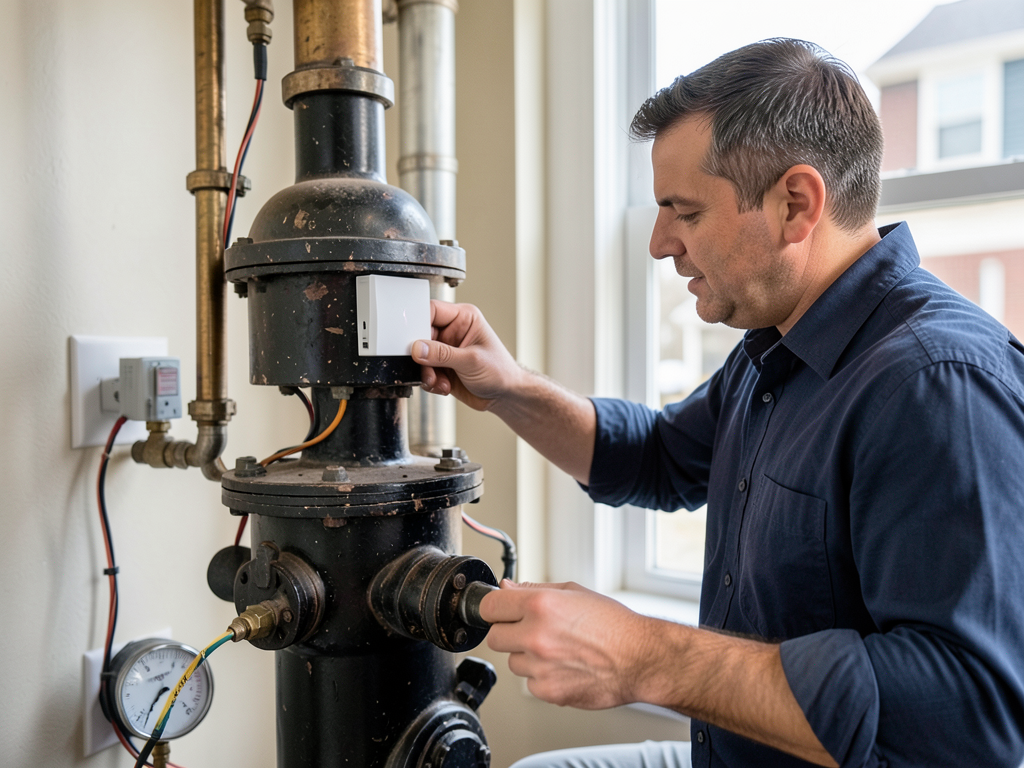
Modern smart thermostats can control steam systems effectively when properly configured. The Ecobee and Nest Learning Thermostat both support steam heating through their heat-only mode. These devices learn your heating patterns and can reduce energy consumption by 10-15% without changing your radiators.
Installation requires a C-wire or power extender kit since steam systems don’t provide 24V power like forced air furnaces. The thermostat connects to your existing zone valves or directly to the boiler’s control circuit. For Valentine’s historic homes, wireless models avoid damaging plaster walls during installation. Same day furnace repair services for families in Lee’s Summit.
Thermostatic Radiator Valves for Individual Room Control
TRVs allow you to control temperature in each room independently, eliminating the overheating common in steam-heated homes. These self-regulating valves replace your existing air vents and maintain consistent room temperatures without manual adjustment.
Danfoss and Honeywell make TRVs compatible with standard 1.5-inch steam radiator air vents. Installation takes about 15 minutes per radiator and doesn’t require draining the system. You’ll notice immediate comfort improvements in bedrooms that previously overheated while living areas stayed cold.
Insulation Upgrades That Don’t Show
Pipe insulation in steam systems reduces heat loss and improves delivery to distant radiators. Use fiberglass pipe insulation with a vapor barrier to prevent condensation damage. Focus on pipes in unconditioned spaces like basements and crawl spaces. Storm Damage HVAC Repair.
For exposed pipes in finished areas, consider removable fabric covers that match your home’s trim. These maintain the historic appearance while providing some insulation benefit. Don’t insulate pipes within 6 inches of the boiler or near draft hoods where heat is needed.
Air Vent Replacement for Even Heating
Clogged or inadequate air vents cause the most common steam heating problems in Valentine homes. Replace original vents with adjustable models that allow you to balance heat distribution. Faster vents on distant radiators and slower vents on nearby ones create even temperatures throughout your home.
Look for vents with 1/8-inch NPT threads, the standard size for most cast-iron radiators. Gorton and Hoffman make reliable replacements. Listen for the characteristic hissing sound when vents release air – if you don’t hear it, your vents may be stuck closed. How to find a reliable air conditioning repair technician in Overland Park.
Modern Boiler Controls Within Historic Parameters
Electronic ignition and programmable controls can replace standing pilot lights and manual switches. These upgrades improve efficiency by 5-10% while maintaining the low-pressure operation your radiators expect. The controls connect to your existing pressuretrol and low water cutoff.. Read more about How Precision Humidity Controls Protect Your Historic Hardwood Floors in Mission Hills.
Install a boiler reset control that adjusts water temperature based on outdoor conditions. This prevents overheating on mild days and extends equipment life. The control mounts inside the boiler jacket where it remains hidden from view.
Preserving Cast-Iron Radiators During Modernization
Your radiators are likely over 100 years old and represent significant historical value. Clean them with a mild detergent and soft brush to restore their original finish. Avoid abrasive cleaners that can damage the porcelain or painted surfaces.
Check for leaks at valve connections using a tissue test – wrap tissue around joints and look for moisture. Most leaks occur at the valve packing nut and can be fixed by tightening or replacing the packing. Never use thread sealant on steam fittings; use Teflon tape instead.. Read more about Replacing an Old Floor Furnace with Modern Heating in Your KCK Bungalow.
Water Quality Management for Longevity
Steam boiler water quality directly impacts system performance and radiator life. Test your water for pH, hardness, and dissolved oxygen. Valentine’s water typically has moderate hardness, requiring treatment to prevent scale buildup.
Add a steam boiler treatment that includes oxygen scavengers and pH buffers. Follow manufacturer instructions for dosage based on your system volume. Test water quality annually and adjust treatment as needed. Clean boilers last longer and heat more evenly.
Hidden Upgrades That Make a Big Difference
Install a condensate pump if your system lacks proper gravity return. This improves efficiency by returning hot condensate to the boiler faster. The pump mounts in the basement and connects to existing return lines with minimal visible impact.
Add an outdoor reset sensor to your boiler control system. This small device mounted on a north-facing wall tells the boiler when to reduce output based on outdoor temperature. You’ll save energy without changing how your home feels.
Professional Assessment Before Starting
Have a qualified steam heating technician evaluate your system before making changes. They’ll check for proper boiler sizing, pipe pitch, and pressure settings specific to your home’s radiation load. Many Valentine homes have oversized boilers that short-cycle and waste energy.
The technician should perform a combustion analysis to ensure your boiler burns efficiently. They’ll also check the low water cutoff and pressure relief valve for proper operation. These safety devices are critical in older systems.
Common Mistakes to Avoid
Don’t replace cast-iron radiators with fin-tube convectors. The heat output and comfort characteristics differ significantly. Also avoid adding zone valves to one-pipe systems; they interfere with steam flow and can cause water hammer.
Never insulate steam mains in the basement if they’re needed to heat that space. Many Valentine homes rely on radiator supply pipes for basement heating. Also avoid painting radiators with metallic paint, which reduces heat output by up to 20%.
Cost Considerations and ROI
Smart thermostat installation typically costs $300-500 including setup. TRVs run $50-100 each installed. A complete system assessment and minor repairs might cost $500-800. These upgrades often pay for themselves in 2-3 heating seasons through energy savings. Who to call for 24 hour emergency AC repair in Shawnee when the heat index spikes.
Major upgrades like boiler replacement or pipe re-pitching cost significantly more but may be necessary for severely underperforming systems. Consider these investments in your home’s long-term value and comfort.
Maintaining Your Modernized System
Steam systems require annual maintenance to operate efficiently. Check water level weekly during heating season and bleed air vents if radiators feel cold at the top. Listen for unusual noises like banging or whistling, which indicate problems.
Drain and flush your boiler every 2-3 years to remove sediment. This improves efficiency and prevents corrosion. Also check pressuretrol settings annually; they often drift over time and can cause short cycling.
When to Call a Professional
Call for service if you notice water leaking from radiators or pipes, if your boiler won’t start, or if you smell gas. Also contact a professional if heating is uneven throughout your home despite vent adjustments.
Emergency service is available 24/7 for steam heating problems. Don’t wait until your home is cold to address issues. Small problems often become expensive repairs if ignored.
Frequently Asked Questions
Can I add air conditioning to my steam-heated home?
Yes, high-velocity mini-duct systems work well with steam heating. They require minimal structural changes and can be installed in 2-3 days. The small ducts fit in existing wall cavities without major demolition.
How long do steam radiators typically last?
Cast-iron radiators often last 100+ years with proper maintenance. The key is preventing water damage and maintaining proper system pressure. Many Valentine homes still use their original radiators from the 1920s.
Is steam heating less efficient than forced air?
Modern steam systems can match forced air efficiency when properly maintained. The key differences are comfort and air quality. Steam provides moist heat that many people find more comfortable, especially in dry winter conditions.
What causes that banging noise in steam pipes?
Banging usually indicates water hammer, caused by condensate pooling in pipes that should slope downward. This can result from settled foundations common in Valentine’s older homes. The fix often involves re-pitching pipes or adding condensate return lines.
Ready to Modernize Your Steam System?
Your Valentine home’s steam heating system can be both efficient and historically authentic. The right upgrades improve comfort while preserving the character that makes your home special. Don’t settle for cold rooms and high energy bills.
Call (816) 473-9177 today to schedule your steam system assessment. Our technicians understand the unique needs of Valentine’s historic homes and can recommend modernization options that work with your existing system. We’ll help you stay warm while maintaining your home’s historic charm.
Pick up the phone and call (816) 473-9177 before the next cold snap hits. Your home deserves efficient, reliable heating that respects its history. For more information, visit ASHRAE.
You may also find this helpful. Managing Soaring Utility Bills in Your Garment District Industrial Loft.
{
“@context”: “https://schema.org”,
“@type”: “BlogPosting”,
“headline”: “How to Modernize a Steam Radiator System Without Ruining the Historic Charm of Your Valentine Home”,
“description”: “Expert steam radiator modernization for Valentine homes. Preserve historic charm while improving efficiency with modern controls, insulation, and smart technology.”,
“wordCount”: 1598,
“datePublished”: “2026-03-29T15:21:00.000Z”,
“dateModified”: “2026-03-29T15:21:00.000Z”,
“inLanguage”: “en-US”,
“mainEntityOfPage”: {
“@type”: “WebPage”,
“@id”: “https://unitedhvackansascity.com”
},
“publisher”: {
“@type”: “LocalBusiness”,
“name”: “United HVAC Kansas City”,
“url”: “https://unitedhvackansascity.com”
},
“author”: {
“@type”: “Organization”,
“name”: “United HVAC Kansas City”,
“url”: “https://unitedhvackansascity.com”
},
“image”: {
“@type”: “ImageObject”,
“url”: “https://unitedhvackansascity.com/wp-content/uploads/2026/03/how-to-modernize-a-steam-radiator-system-without-r-1.png”
}
}
{
“@context”: “https://schema.org”,
“@type”: “HVACBusiness”,
“name”: “United HVAC Kansas City”,
“url”: “https://unitedhvackansascity.com”,
“address”: {
“@type”: “PostalAddress”,
“addressLocality”: “Kansas City”
},
“areaServed”: {
“@type”: “City”,
“name”: “Kansas City”
}
}
{
“@context”: “https://schema.org”,
“@type”: “FAQPage”,
“mainEntity”: [
{
“@type”: “Question”,
“name”: “Can I add air conditioning to my steam-heated home?”,
“acceptedAnswer”: {
“@type”: “Answer”,
“text”: “Yes, high-velocity mini-duct systems work well with steam heating. They require minimal structural changes and can be installed in 2-3 days. The small ducts fit in existing wall cavities without major demolition.”
}
},
{
“@type”: “Question”,
“name”: “How long do steam radiators typically last?”,
“acceptedAnswer”: {
“@type”: “Answer”,
“text”: “Cast-iron radiators often last 100+ years with proper maintenance. The key is preventing water damage and maintaining proper system pressure. Many Valentine homes still use their original radiators from the 1920s.”
}
},
{
“@type”: “Question”,
“name”: “Is steam heating less efficient than forced air?”,
“acceptedAnswer”: {
“@type”: “Answer”,
“text”: “Modern steam systems can match forced air efficiency when properly maintained. The key differences are comfort and air quality. Steam provides moist heat that many people find more comfortable, especially in dry winter conditions.”
}
},
{
“@type”: “Question”,
“name”: “What causes that banging noise in steam pipes?”,
“acceptedAnswer”: {
“@type”: “Answer”,
“text”: “Banging usually indicates water hammer, caused by condensate pooling in pipes that should slope downward. This can result from settled foundations common in Valentine’s older homes. The fix often involves re-pitching pipes or adding condensate return lines.”
}
},
{
“@type”: “Question”,
“name”: “Ready to Modernize Your Steam System?”,
“acceptedAnswer”: {
“@type”: “Answer”,
“text”: “Your Valentine home’s steam heating system can be both efficient and historically authentic. The right upgrades improve comfort while preserving the character that makes your home special. Don’t settle for cold rooms and high energy bills.”
}
}
]
}
{
“@context”: “https://schema.org”,
“@type”: “BreadcrumbList”,
“itemListElement”: [
{
“@type”: “ListItem”,
“position”: 1,
“name”: “Home”,
“item”: “https://unitedhvackansascity.com”
},
{
“@type”: “ListItem”,
“position”: 2,
“name”: “Blog”,
“item”: “https://unitedhvackansascity.com/blog”
},
{
“@type”: “ListItem”,
“position”: 3,
“name”: “How to Modernize a Steam Radiator System Without Ruining the Historic Charm of Your Valentine Home”
}
]
}
{
“@context”: “https://schema.org”,
“@type”: “Service”,
“serviceType”: “HVAC”,
“provider”: {
“@type”: “LocalBusiness”,
“name”: “United HVAC Kansas City”,
“url”: “https://unitedhvackansascity.com”
},
“areaServed”: {
“@type”: “City”,
“name”: “Kansas City”
},
“description”: “Expert steam radiator modernization for Valentine homes. Preserve historic charm while improving efficiency with modern controls, insulation, and smart technology.”
}