
How Fall Leaves and Debris Can Kill Your Mission Home’s Heat Pump
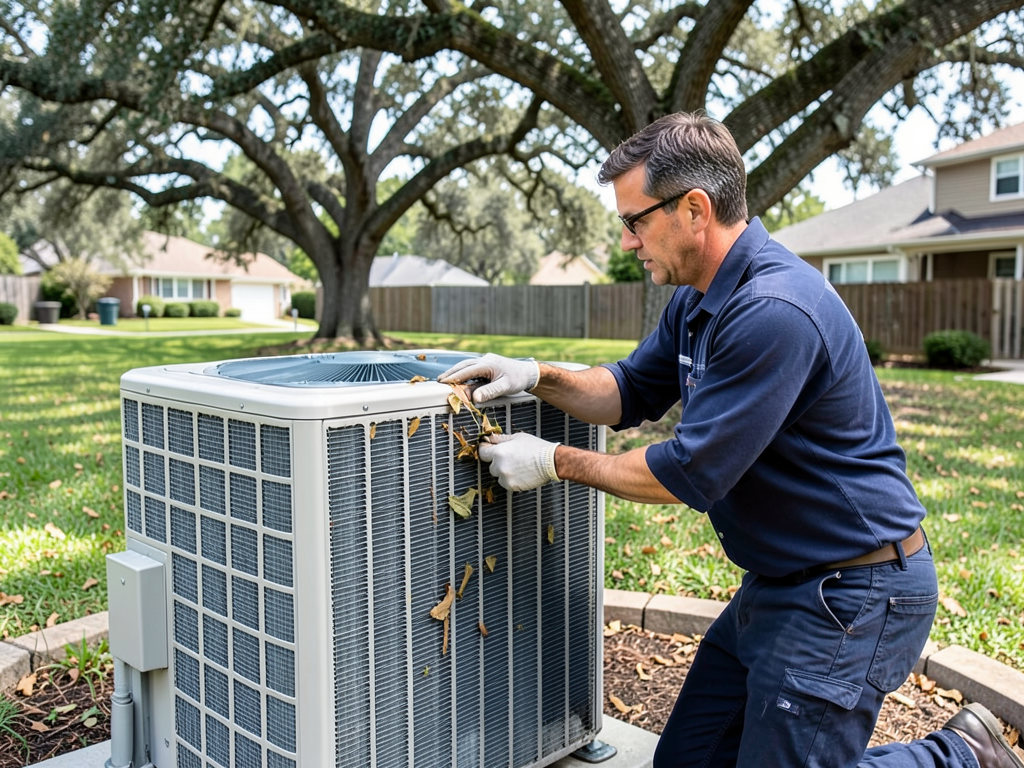
Fall in Mission means vibrant foliage and crisp air. It also means leaves falling directly onto your heat pump. When leaves and debris accumulate around your outdoor unit, they block airflow and cause your system to work harder than necessary. This extra strain can lead to expensive repairs or even complete system failure during the first cold snap. EPA Section 608 certification.
Mission homes sit under a dense tree canopy that creates beautiful neighborhoods but also presents unique challenges for heat pump owners. The combination of mature oaks, maples, and elms means your outdoor unit faces constant leaf bombardment from October through December. Without proper maintenance, this seasonal debris can reduce your heat pump’s efficiency by up to 30% and shorten its lifespan by years.. Read more about Protecting Your Outdoor AC Unit from Flash Floods and Heavy Rain in Raytown.
The good news is that protecting your heat pump from fall debris requires simple steps that any homeowner can take. By understanding how leaves affect your system and following a regular maintenance routine, you can keep your heat pump running smoothly all winter long.. Read more about Protecting Your Lee’s Summit AC Unit from Severe Thunderstorm Power Surges.
Why Fall Debris Is Dangerous for Your Heat Pump
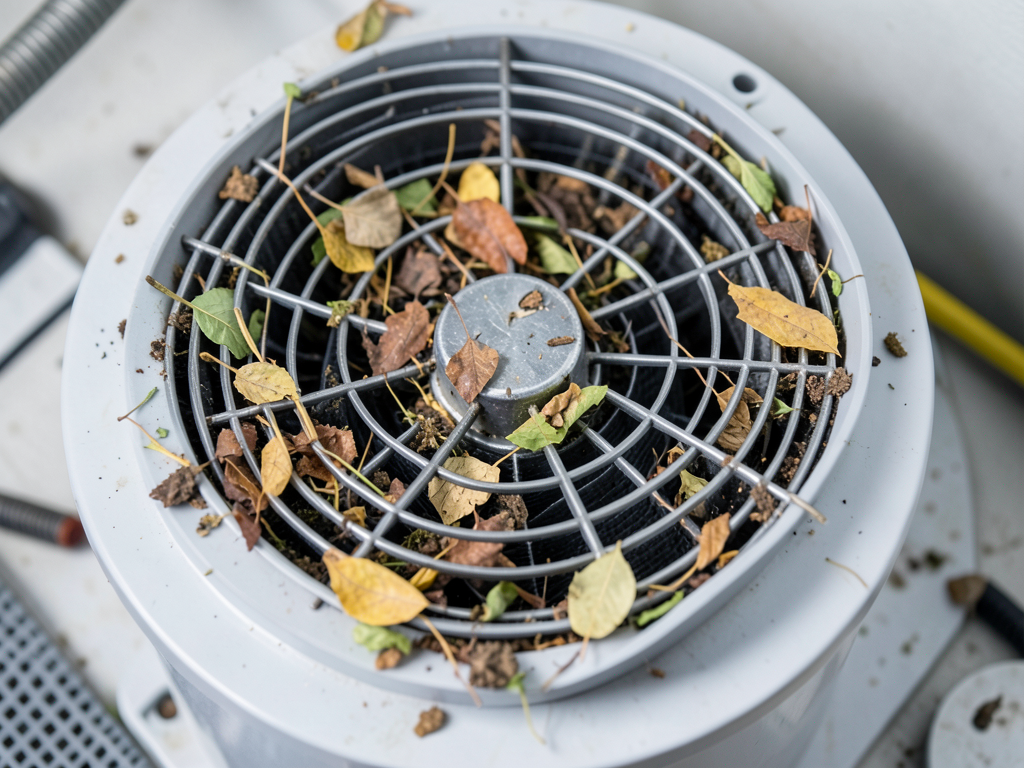
Heat pumps need unrestricted airflow to function properly. The outdoor coil releases heat during cooling mode and absorbs heat during heating mode. When leaves and debris block this coil, your system cannot transfer heat effectively.
Blocked airflow forces your heat pump to run longer cycles to achieve the same temperature. This extended operation increases wear on components like the compressor and fan motor. The extra strain can cause these parts to fail prematurely.. Read more about How the Extreme Kansas City Temperature Swings Shorten Your HVAC Life Expectancy.
Moisture trapped by leaves creates additional problems. Wet leaves pressed against the coil can freeze during cold nights. This ice formation further blocks airflow and can cause the system to shut down completely. The defrost cycle must work harder to clear this ice, using more energy and putting stress on the reversing valve.
Debris also provides shelter for rodents and insects. These pests can chew through wiring or build nests inside the unit. A single chewed wire can leave your family without heat during a winter storm. Storm Damage HVAC Repair.
Mission’s Unique Fall Challenges
Mission experiences one of the heaviest leaf falls in the Kansas City metro area. The city’s commitment to urban forestry means streets lined with mature trees that drop massive quantities of leaves each fall.
According to the City of Mission’s Urban Forestry Program, the area maintains over 10,000 public trees. Many neighborhoods have tree canopy coverage exceeding 40%, creating ideal conditions for leaf accumulation around heat pumps.
The timing of leaf fall in Mission often coincides with the first cold weather of the season. This creates a perfect storm where your heat pump needs to work hardest just as it becomes most obstructed by debris.
Mission’s soil composition adds another layer of complexity. The area’s clay-heavy soil retains moisture longer than surrounding regions. When leaves trap this moisture against your heat pump’s base, it can accelerate rust and corrosion on the unit’s housing and components.
Step-by-Step Heat Pump Protection Plan
Protecting your heat pump from fall debris requires consistent attention throughout the season. Here is a simple maintenance schedule that keeps your system running efficiently.. Read more about Protecting your Smithville Lake property from furnace failure during a winter freeze.
- Weekly Visual Inspection
Check your heat pump at least once per week during peak leaf season. Look for accumulated leaves, twigs, and other debris around the unit. Pay special attention to the top and sides where debris tends to collect.
- Clear Two-Foot Zone
Maintain a clear area extending at least two feet around all sides of your heat pump. Use a rake or leaf blower to remove leaves and debris from this zone. This clearance allows proper airflow and makes future cleaning easier.
- Clean the Coil Surface
Once leaves are cleared from the area, gently brush off any debris stuck to the coil fins. Use a soft brush or vacuum with a brush attachment. Avoid using high-pressure water, which can bend the delicate fins.
- Check the Base
Inspect the concrete pad or mounting surface under your heat pump. Remove any leaves or debris trapped underneath. This prevents moisture buildup and rodent nesting.
- Monitor After Storms
Strong winds and rain can bring down additional leaves and branches. Check your unit after any significant weather event and remove new debris promptly.
Common Mistakes Mission Homeowners Make
Many homeowners think covering their heat pump for winter protects it from debris. This practice actually causes more harm than good. Heat pumps need to run year-round, and a cover prevents proper airflow even when it’s not in use.
Another mistake is using a pressure washer to clean the unit. The high-pressure spray can bend the aluminum fins on the coil, reducing efficiency. It can also force water into electrical components, creating short circuits.
Some residents wait until all leaves have fallen before cleaning their heat pump. By this time, the unit has already been operating inefficiently for weeks. Regular maintenance throughout the season prevents buildup and keeps your system running smoothly.
Ignoring unusual sounds or reduced heating performance is another common error. If your heat pump seems to be running constantly or not keeping up with demand, debris may already be causing significant problems.
When to Call a Professional
While basic maintenance is simple, some heat pump issues require professional attention. If you notice ice buildup that does not melt during defrost cycles, your system may have a refrigerant leak or control board problem.
Strange noises like grinding, squealing, or clicking often indicate mechanical problems. These sounds can mean failing bearings, loose components, or electrical issues that require specialized tools to diagnose and repair. Same day furnace repair services for families in Lee’s Summit.
If your heat pump runs constantly but cannot maintain temperature, the problem may be more serious than debris buildup. Low refrigerant levels, failed capacitors, or compressor problems all require professional service.
Professional maintenance should include checking refrigerant levels, testing electrical components, and inspecting the reversing valve. These tasks require EPA certification and specialized equipment to perform safely and effectively.
Call (816) 473-9177 today to schedule your professional heat pump inspection before winter arrives. Our NATE-certified technicians can identify and fix problems before they leave your family without heat.
Mission Heat Pump Success Stories
Local homeowner Sarah Thompson in the Oakwood neighborhood noticed her heat pump running constantly last November. A quick inspection revealed leaves completely blocking the coil. After removing the debris and having the system professionally serviced, her energy bills dropped by 25% and the unit stopped running continuously. Local HVAC experts for boiler maintenance and repair near the Country Club Plaza.
The Johnson family in the Fairway area experienced a complete heat pump failure on a cold December night. Investigation showed that accumulated leaves had caused the compressor to overheat and fail. The emergency repair cost them over $2,000, but regular maintenance could have prevented the breakdown entirely. Who to call for 24 hour emergency AC repair in Shawnee when the heat index spikes.
Mission resident Mark Davis installed a simple leaf guard around his heat pump after repeated clogging issues. The guard, combined with weekly cleaning, has kept his system running efficiently for three seasons without any professional service calls.
Heat Pump vs. Traditional Furnace: Fall Maintenance Differences
Heat pumps and traditional furnaces require different fall maintenance approaches. This comparison shows key differences for Mission homeowners.
| Maintenance Task | Heat Pump | Traditional Furnace |
|---|---|---|
| Outdoor Unit Care | Critical – Clear leaves and debris weekly | Not applicable – no outdoor components |
| Air Filter Changes | Monthly during heavy use | Monthly during heating season |
| Coil Cleaning | Required – outdoor coil must be clear | Not applicable – no outdoor coil |
| Defrost Cycle Check | Essential – ensures proper winter operation | Not applicable – no defrost needed |
| Refrigerant Level | Must be checked annually | Not applicable – no refrigerant |
| Emergency Heat | Available but should be backup only | Not applicable – uses electric heating elements |
Mission Building Code Requirements
The City of Mission follows the International Mechanical Code with local amendments. Section 1001.2 requires heat pumps to maintain proper clearances around outdoor units. The code specifies minimum two-foot clearances on all sides for adequate airflow and service access. International Mechanical Code.
According to Mission Municipal Code Section 15-301, heat pump installations must comply with manufacturer specifications for clearances and mounting. Failure to maintain these clearances can result in code violations and system inefficiency.
The International Residential Code, adopted by Mission, requires heat pumps to be installed on stable, level pads that prevent water accumulation. This requirement becomes especially important in Mission’s clay soil areas where water retention is common.
EPA Section 608 certification is mandatory for any technician handling refrigerant during heat pump maintenance or repair. This federal requirement ensures proper handling of refrigerants to protect the environment.
Long-Term Benefits of Regular Maintenance
Consistent fall maintenance extends your heat pump’s lifespan by several years. A well-maintained unit typically lasts 15-20 years, while neglected systems may fail after only 8-10 years.
Energy efficiency improves dramatically with clean coils and proper airflow. Homeowners who maintain their heat pumps report 15-30% lower energy bills compared to those who neglect maintenance.
Regular cleaning prevents costly emergency repairs. The cost of professional maintenance is typically recovered through avoided repairs and improved efficiency within one heating season.
Peace of mind comes from knowing your heat pump will keep your family comfortable all winter. No one wants to discover a problem during the first cold snap when repair services are busiest and most expensive.
Pick up the phone and call (816) 473-9177 before the next storm hits. Our fall maintenance service includes thorough cleaning, system testing, and professional recommendations to keep your heat pump running efficiently all winter long.
Frequently Asked Questions
How often should I clean leaves from my heat pump?
During peak leaf season in Mission, check your heat pump weekly. Remove any accumulated debris immediately. After storms or high winds, inspect the unit even if it has not been a full week.
Can I use a leaf blower to clean my heat pump?
Yes, but use caution. Keep the blower at least 18 inches away from the unit and use low to medium power. Avoid directing high-pressure air at the coil fins, which can bend easily.
What if I find ice on my heat pump?
Light frost is normal during defrost cycles. However, thick ice buildup indicates a problem. Turn off the unit and call a professional. Do not try to chip away ice, as this can damage components.
How much does professional heat pump maintenance cost?
Professional maintenance typically costs between $150-300 depending on the services included. This investment usually pays for itself through improved efficiency and prevented repairs within one heating season.
Should I cover my heat pump in winter?
No. Heat pumps need to run year-round, and covers restrict airflow even when the unit is not in use. Instead, maintain clear areas around the unit and perform regular cleaning.
{
“@context”: “https://schema.org”,
“@type”: “BlogPosting”,
“headline”: “How Fall Leaves and Debris Can Kill Your Mission Home’s Heat Pump”,
“description”: “Learn how Mission’s heavy tree canopy can damage your heat pump this fall. Get expert tips on leaf removal and maintenance to prevent costly breakdowns.”,
“wordCount”: 1819,
“datePublished”: “2026-05-04T08:19:00.000Z”,
“dateModified”: “2026-05-04T08:19:00.000Z”,
“inLanguage”: “en-US”,
“mainEntityOfPage”: {
“@type”: “WebPage”,
“@id”: “https://unitedhvackansascity.com”
},
“publisher”: {
“@type”: “LocalBusiness”,
“name”: “United HVAC Kansas City”,
“url”: “https://unitedhvackansascity.com”
},
“author”: {
“@type”: “Organization”,
“name”: “United HVAC Kansas City”,
“url”: “https://unitedhvackansascity.com”
},
“image”: {
“@type”: “ImageObject”,
“url”: “https://unitedhvackansascity.com/wp-content/uploads/2026/03/how-fall-leaves-and-debris-can-kill-your-mission-h-1.png”
}
}
{
“@context”: “https://schema.org”,
“@type”: “HVACBusiness”,
“name”: “United HVAC Kansas City”,
“url”: “https://unitedhvackansascity.com”,
“address”: {
“@type”: “PostalAddress”,
“addressLocality”: “Kansas City”
},
“areaServed”: {
“@type”: “City”,
“name”: “Kansas City”
}
}
{
“@context”: “https://schema.org”,
“@type”: “FAQPage”,
“mainEntity”: [
{
“@type”: “Question”,
“name”: “How often should I clean leaves from my heat pump?”,
“acceptedAnswer”: {
“@type”: “Answer”,
“text”: “During peak leaf season in Mission, check your heat pump weekly. Remove any accumulated debris immediately. After storms or high winds, inspect the unit even if it has not been a full week.”
}
},
{
“@type”: “Question”,
“name”: “Can I use a leaf blower to clean my heat pump?”,
“acceptedAnswer”: {
“@type”: “Answer”,
“text”: “Yes, but use caution. Keep the blower at least 18 inches away from the unit and use low to medium power. Avoid directing high-pressure air at the coil fins, which can bend easily.”
}
},
{
“@type”: “Question”,
“name”: “What if I find ice on my heat pump?”,
“acceptedAnswer”: {
“@type”: “Answer”,
“text”: “Light frost is normal during defrost cycles. However, thick ice buildup indicates a problem. Turn off the unit and call a professional. Do not try to chip away ice, as this can damage components.”
}
},
{
“@type”: “Question”,
“name”: “How much does professional heat pump maintenance cost?”,
“acceptedAnswer”: {
“@type”: “Answer”,
“text”: “Professional maintenance typically costs between $150-300 depending on the services included. This investment usually pays for itself through improved efficiency and prevented repairs within one heating season.”
}
},
{
“@type”: “Question”,
“name”: “Should I cover my heat pump in winter?”,
“acceptedAnswer”: {
“@type”: “Answer”,
“text”: “No. Heat pumps need to run year-round, and covers restrict airflow even when the unit is not in use. Instead, maintain clear areas around the unit and perform regular cleaning.”
}
}
]
}
{
“@context”: “https://schema.org”,
“@type”: “HowTo”,
“name”: “Heat Pump Fall Maintenance”,
“step”: [
{
“@type”: “HowToStep”,
“position”: 1,
“name”: “Weekly Visual Inspection”,
“text”: “Check your heat pump at least once per week during peak leaf season. Look for accumulated leaves, twigs, and other debris around the unit. Pay special attention to the top and sides where debris tends to collect.”
},
{
“@type”: “HowToStep”,
“position”: 2,
“name”: “Clear Two-Foot Zone”,
“text”: “Maintain a clear area extending at least two feet around all sides of your heat pump. Use a rake or leaf blower to remove leaves and debris from this zone. This clearance allows proper airflow and makes future cleaning easier.”
},
{
“@type”: “HowToStep”,
“position”: 3,
“name”: “Clean the Coil Surface”,
“text”: “Once leaves are cleared from the area, gently brush off any debris stuck to the coil fins. Use a soft brush or vacuum with a brush attachment. Avoid using high-pressure water, which can bend the delicate fins.”
},
{
“@type”: “HowToStep”,
“position”: 4,
“name”: “Check the Base”,
“text”: “Inspect the concrete pad or mounting surface under your heat pump. Remove any leaves or debris trapped underneath. This prevents moisture buildup and rodent nesting.”
},
{
“@type”: “HowToStep”,
“position”: 5,
“name”: “Monitor After Storms”,
“text”: “Strong winds and rain can bring down additional leaves and branches. Check your unit after any significant weather event and remove new debris promptly.”
}
],
“image”: “https://unitedhvackansascity.com/wp-content/uploads/2026/03/how-fall-leaves-and-debris-can-kill-your-mission-h-1.png”
}
{
“@context”: “https://schema.org”,
“@type”: “BreadcrumbList”,
“itemListElement”: [
{
“@type”: “ListItem”,
“position”: 1,
“name”: “Home”,
“item”: “https://unitedhvackansascity.com”
},
{
“@type”: “ListItem”,
“position”: 2,
“name”: “Blog”,
“item”: “https://unitedhvackansascity.com/blog”
},
{
“@type”: “ListItem”,
“position”: 3,
“name”: “How Fall Leaves and Debris Can Kill Your Mission Home’s Heat Pump”
}
]
}
{
“@context”: “https://schema.org”,
“@type”: “Service”,
“serviceType”: “HVAC”,
“provider”: {
“@type”: “LocalBusiness”,
“name”: “United HVAC Kansas City”,
“url”: “https://unitedhvackansascity.com”
},
“areaServed”: {
“@type”: “City”,
“name”: “Kansas City”
},
“description”: “Learn how Mission’s heavy tree canopy can damage your heat pump this fall. Get expert tips on leaf removal and maintenance to prevent costly breakdowns.”
}