
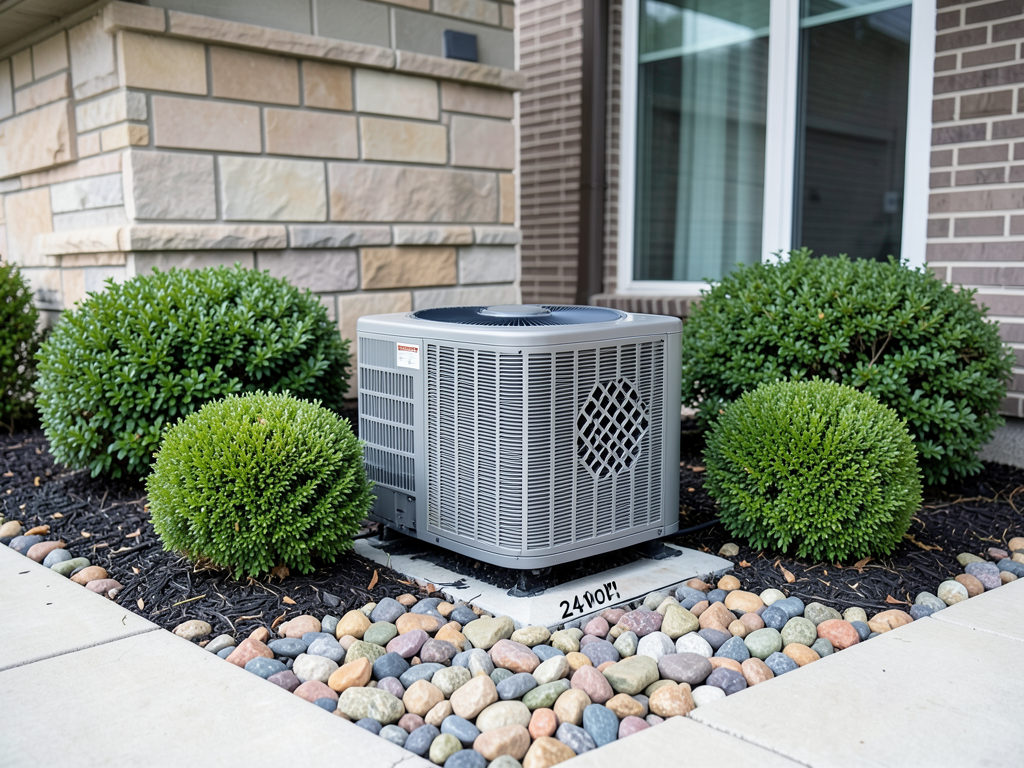
How to landscape around your outdoor AC unit without killing the airflow in Leawood
Landscaping around your outdoor AC unit can boost your home’s curb appeal but poor planning can cut your system’s efficiency by up to 30 percent. In Leawood’s humid summers and heavy storm seasons, restricted airflow forces your compressor to work harder, shortening its life and driving up energy bills. This guide shows you how to create a beautiful, low-maintenance barrier that protects airflow, meets Kansas City code, and survives our local cottonwood season. Local HVAC experts for boiler maintenance and repair near the Country Club Plaza.
The golden rule of HVAC landscaping: airflow and clearance
Your condenser needs steady air movement to release heat. The International Mechanical Code requires a minimum 24-inch clearance on all sides and five feet above the unit. Anything closer traps hot exhaust, recycling heat back into the coils and reducing SEER efficiency. Even decorative lattice must sit outside this zone so a technician can swing a wrench without removing plants.
Think of the space as a service bubble. If you cannot slide a five-gallon bucket between the unit and your landscaping, it is too close. This clearance also prevents mulch from blowing into the fan and keeps grass clippings from clogging the coil during Leawood’s frequent thunderstorms. Storm Damage HVAC Repair.
Best plants for Kansas City AC enclosures
Choose plants that thrive in Zone 6, tolerate clay soil, and shed minimal debris. Boxwoods are a top pick because they stay evergreen, grow slowly, and can be trimmed to hold shape. Ornamental grasses like Karl Foerster feather reed grass add height without dropping leaves into the condenser. Hostas work well in shaded sides of the unit but avoid large-leaf varieties that trap moisture.
Native Missouri plants such as Little Spire Russian Sage resist pests and need little water once established. Stay away from cottonwood, silver maple, or river birch within 20 feet; their seeds and leaves will clog coils every June. For year-round screening, mix evergreen shrubs with seasonal perennials so the unit stays hidden even in winter.
Ground cover: mulch vs. gravel vs. pavers
Loose hardwood mulch may look tidy but can be sucked into the condenser by the unit’s intake fan during high winds. River rock or pea gravel is heavier and stays put, but small stones can still get caught in the coil fins. Concrete pavers or large flagstones offer the most protection and create a stable pad that resists settling in Leawood’s expansive clay soil.
If you prefer rock, choose pieces at least two inches in diameter and install landscape fabric underneath to block weeds. Keep the rock bed level with the surrounding grade so water drains away from the base. Never pile mulch or rock higher than the bottom of the unit’s metal casing; trapped moisture can rust the frame.
Creative screening ideas (lattice, fencing, and trellises)
A removable lattice panel painted to match your home lets you hide the unit while keeping service access simple. Build the frame from cedar or composite lumber so it resists Leawood’s humidity. Hinged or sliding panels work better than nailed construction because a technician can open them without tools.
Trellises with climbing vines like clematis or honeysuckle add color but choose annuals or well-behaved perennials. Avoid ivy or wisteria; their aggressive roots can shift the pad and their dense foliage blocks airflow. If you use a fence, leave at least one side open or install a gate wide enough for a 30-inch service cart.
Maintenance tips: protecting your unit from cottonwood and grass clippings
Leawood’s summer cottonwood blizzard can coat condenser coils in a matter of days. Rinse the coil with a garden hose every two weeks during June and July to prevent buildup. Use a gentle spray nozzle; high pressure can bend the aluminum fins. If you notice a drop in cooling, schedule a professional coil cleaning before peak season.
When mowing, aim grass clippings away from the unit. Consider installing a gravel apron around the pad to catch debris. After storms, check for fallen branches or leaves that could block the top grille. A five-minute inspection after heavy weather can prevent a costly compressor failure.
The shade myth: does shading your unit actually save money?
Shading the condenser can lower head pressure and improve efficiency, but only if done correctly. The shade source must be at least three feet away so air can circulate. A nearby tree works; a solid fence does not. According to the U.S. Department of Energy, strategic shading can cut cooling energy use by up to 10 percent, but blocking airflow negates any gain. U.S. Department of Energy landscape design guide.
In Leawood’s climate, afternoon sun is the biggest enemy. Plant deciduous trees to the south and west so they block summer rays but allow winter sun to reach the unit. Keep the mature canopy at least five feet above the five-foot vertical clearance zone to maintain code compliance.
Drainage and grading to prevent water pooling
Leawood’s heavy spring rains and clay soil can trap water around your unit’s base. Poor drainage leads to rust, electrical shorts, and frozen condensate lines. Grade the soil so it slopes at least one inch per foot away from the pad for the first six feet. Extend downspouts at least four feet from the unit to direct roof runoff clear.. Read more about Why Your Heat Pump Is Frozen Solid in Lenexa (And How to Melt It Safely).
Consider a French drain or gravel trench if your yard holds water. Elevate the concrete pad at least four inches above grade using a mix of sand and gravel for stability. Check the slope every spring; settling is common in our region and can undo your grading work.
Seasonal checklist for Leawood homeowners
- Spring: Clear debris, rinse coil, inspect pad for settling.
- Summer: Rinse coil every two weeks during cottonwood season, check for cotton buildup.
- Fall: Trim back any plants touching the 24-inch clearance zone.
- Winter: Remove heavy snow from top grille; avoid piling snow against the sides.
Following this seasonal routine can extend your compressor life by years and keep your energy bills predictable.
Frequently Asked Questions
How far should plants be from my AC unit?
Maintain at least 24 inches of clearance on all sides and five feet above the unit. This allows proper airflow and gives technicians room to service the equipment.
Can I use mulch around my condenser?
Avoid loose mulch within two feet of the unit. If you prefer mulch for aesthetics, use heavy hardwood chips and keep the layer thin to prevent windblown debris from entering the fan.
Will shading my AC save money?
Strategic shading can improve efficiency by up to 10 percent, but only if the shade source is at least three feet away to preserve airflow. Blocking airflow eliminates any benefit.
How often should I clean the coils?
Rinse the coils every two weeks during cottonwood season and after major storms. Schedule a professional cleaning once a year to remove stubborn buildup and check refrigerant levels.
What if my yard floods near the AC?
Improve grading so water slopes away from the unit, extend downspouts, and consider a gravel trench or French drain. Elevate the pad at least four inches above grade to prevent rust and electrical issues.
Landscaping around your AC unit is about more than looks. With the right plants, materials, and maintenance, you can protect your system from Leawood’s climate while keeping your yard beautiful. If you are unsure whether your setup meets code or need a professional inspection, call (816) 473-9177 today to schedule your inspection. Pick up the phone and call (816) 473-9177 before the next storm hits. For more information, visit EPA Section 608 refrigerant handling.
You may also find this helpful. Finding a Quiet AC Unit That Your Fairway Neighbors Won’t Complain About.
You may also find this helpful. Basic vs Premium HVAC Maintenance Plans — What Do Leawood Homeowners Actually Need?.
You may also find this helpful. Controlling Ragweed and Pollen Indoors for Families Living in the Parkville Woods.
You may also find this helpful. Why Smart Vents Might Actually Damage Your South Kansas City HVAC System.
{
“@context”: “https://schema.org”,
“@type”: “BlogPosting”,
“headline”: “How to landscape around your outdoor AC unit without killing the airflow in Leawood”,
“description”: “Learn the 24-inch clearance rule, best plants for Zone 6, and how to protect your AC from Leawood’s cottonwood seeds and heavy storms.”,
“wordCount”: 1277,
“datePublished”: “2026-04-05T07:08:00.000Z”,
“dateModified”: “2026-04-05T07:08:00.000Z”,
“inLanguage”: “en-US”,
“mainEntityOfPage”: {
“@type”: “WebPage”,
“@id”: “https://unitedhvackansascity.com”
},
“publisher”: {
“@type”: “LocalBusiness”,
“name”: “United HVAC Kansas City”,
“url”: “https://unitedhvackansascity.com”
},
“author”: {
“@type”: “Organization”,
“name”: “United HVAC Kansas City”,
“url”: “https://unitedhvackansascity.com”
},
“image”: {
“@type”: “ImageObject”,
“url”: “https://unitedhvackansascity.com/wp-content/uploads/2026/03/how-to-landscape-around-your-outdoor-ac-unit-witho-1.png”
}
}
{
“@context”: “https://schema.org”,
“@type”: “HVACBusiness”,
“name”: “United HVAC Kansas City”,
“url”: “https://unitedhvackansascity.com”,
“address”: {
“@type”: “PostalAddress”,
“addressLocality”: “Kansas City”
},
“areaServed”: {
“@type”: “City”,
“name”: “Kansas City”
}
}
{
“@context”: “https://schema.org”,
“@type”: “FAQPage”,
“mainEntity”: [
{
“@type”: “Question”,
“name”: “The shade myth: does shading your unit actually save money?”,
“acceptedAnswer”: {
“@type”: “Answer”,
“text”: “Shading the condenser can lower head pressure and improve efficiency, but only if done correctly. The shade source must be at least three feet away so air can circulate. A nearby tree works; a solid fence does not. According to the U.S. Department of Energy, strategic shading can cut cooling energy use by up to 10 percent, but blocking airflow negates any gain. U.S. Department of Energy landscape design guide.”
}
},
{
“@type”: “Question”,
“name”: “How far should plants be from my AC unit?”,
“acceptedAnswer”: {
“@type”: “Answer”,
“text”: “Maintain at least 24 inches of clearance on all sides and five feet above the unit. This allows proper airflow and gives technicians room to service the equipment.”
}
},
{
“@type”: “Question”,
“name”: “Can I use mulch around my condenser?”,
“acceptedAnswer”: {
“@type”: “Answer”,
“text”: “Avoid loose mulch within two feet of the unit. If you prefer mulch for aesthetics, use heavy hardwood chips and keep the layer thin to prevent windblown debris from entering the fan.”
}
},
{
“@type”: “Question”,
“name”: “Will shading my AC save money?”,
“acceptedAnswer”: {
“@type”: “Answer”,
“text”: “Strategic shading can improve efficiency by up to 10 percent, but only if the shade source is at least three feet away to preserve airflow. Blocking airflow eliminates any benefit.”
}
},
{
“@type”: “Question”,
“name”: “How often should I clean the coils?”,
“acceptedAnswer”: {
“@type”: “Answer”,
“text”: “Rinse the coils every two weeks during cottonwood season and after major storms. Schedule a professional cleaning once a year to remove stubborn buildup and check refrigerant levels.”
}
},
{
“@type”: “Question”,
“name”: “What if my yard floods near the AC?”,
“acceptedAnswer”: {
“@type”: “Answer”,
“text”: “Improve grading so water slopes away from the unit, extend downspouts, and consider a gravel trench or French drain. Elevate the pad at least four inches above grade to prevent rust and electrical issues.”
}
}
]
}
{
“@context”: “https://schema.org”,
“@type”: “BreadcrumbList”,
“itemListElement”: [
{
“@type”: “ListItem”,
“position”: 1,
“name”: “Home”,
“item”: “https://unitedhvackansascity.com”
},
{
“@type”: “ListItem”,
“position”: 2,
“name”: “Blog”,
“item”: “https://unitedhvackansascity.com/blog”
},
{
“@type”: “ListItem”,
“position”: 3,
“name”: “How to landscape around your outdoor AC unit without killing the airflow in Leawood”
}
]
}
{
“@context”: “https://schema.org”,
“@type”: “Service”,
“serviceType”: “HVAC”,
“provider”: {
“@type”: “LocalBusiness”,
“name”: “United HVAC Kansas City”,
“url”: “https://unitedhvackansascity.com”
},
“areaServed”: {
“@type”: “City”,
“name”: “Kansas City”
},
“description”: “Learn the 24-inch clearance rule, best plants for Zone 6, and how to protect your AC from Leawood’s cottonwood seeds and heavy storms.”
}