
How to stop that vinegar smell from coming out of your vents in Mission homes
That sour vinegar smell coming from your vents isn’t just unpleasant – it’s a sign of a biological problem growing inside your HVAC system. In Mission homes, where summer humidity often exceeds 80%, moisture builds up on evaporator coils creating the perfect environment for bacteria and mold to thrive.
The good news is this problem has a name and a solution. What you’re experiencing is called Dirty Sock Syndrome, and it’s one of the most common odor complaints we handle for homeowners in the Kansas City area. Within the first 100 words, you should know this: that vinegar smell means bacteria are growing on your cooling coils, and professional cleaning can eliminate it completely.
What causes that vinegar smell in Mission homes?
The science behind the stench is straightforward. When your air conditioner runs, condensation forms on the evaporator coils. In Mission’s humid climate, this moisture combines with airborne dust and organic particles. The dark, damp environment inside your air handler becomes a breeding ground for bacteria and mold.
Heat pumps are particularly susceptible because they don’t get hot enough to kill the bacteria during the heating cycle. Traditional AC units that switch to heating in winter can actually bake off some of the buildup, though the smell often returns when cooling resumes.
Mission homes built between 1970 and 2000 are especially vulnerable. These homes typically have ductwork that runs through unconditioned spaces like crawl spaces or attics. Temperature fluctuations in these areas create condensation on the ducts themselves, adding another moisture source that feeds the problem.

Diagram showing evaporator coil biofilm formation and moisture pathways in typical Mission home HVAC systems.
Is that vinegar smell dangerous for your family?
While the smell itself is unpleasant, the real concern is what’s causing it. The bacteria and mold growing on your coils can release mycotoxins and volatile organic compounds into your home’s air. For families with asthma, allergies, or respiratory sensitivities, these airborne contaminants can trigger symptoms.
According to the EPA’s guidelines on indoor air quality, biological growth in HVAC systems can contribute to building-related illness. The musty odor is often the first warning sign that your system is circulating more than just cooled air. EPA’s guidelines on indoor air quality.
Beyond health concerns, that bacteria buildup reduces your system’s efficiency. The biofilm acts as an insulator, forcing your AC to work harder and increasing your energy bills. In Mission’s hot summers, this efficiency loss can add up quickly.
How to identify Dirty Sock Syndrome vs other odors
Not all bad smells from vents are the same. Here’s how to tell if you’re dealing with Dirty Sock Syndrome:
- The smell intensifies when your AC first turns on
- It resembles a locker room, dirty socks, or vinegar
- The odor comes and goes with humidity levels
- Multiple vents produce the same smell
Other common HVAC odors have different characteristics. A burning smell often indicates electrical issues. A rotten egg smell suggests a natural gas leak. A musty smell without the vinegar component could be standing water in the drain pan rather than active bacterial growth.
In Mission homes, we often find that Dirty Sock Syndrome is most noticeable during the spring and fall when temperatures fluctuate. These shoulder seasons cause your system to cycle more frequently, disturbing the bacterial colonies and releasing more odor.
DIY solutions that might help temporarily
Before calling a professional, there are a few steps Mission homeowners can take that might reduce the smell:
- Change your air filter
Replace your standard filter with a MERV 8-11 rated filter. Higher MERV ratings can restrict airflow in older systems, so don’t go above 11 without professional advice.
- Clean the condensate drain line
Pour a cup of white vinegar down the drain line to kill some surface bacteria. This won’t solve the coil problem but can help with drain pan odors.
- Run your fan continuously
Set your thermostat to “fan on” mode for 24-48 hours. This circulates air through the system, potentially drying out some moisture. Smart Thermostat Benefits.
These steps might provide temporary relief, but they won’t eliminate the underlying problem. The bacteria embedded in your coil’s aluminum fins requires professional treatment.
Professional solutions that actually work
When DIY methods fail, professional intervention becomes necessary. Here’s what a qualified HVAC technician will do to eliminate that vinegar smell:
First, they’ll perform a coil inspection using a borescope camera to assess the extent of the buildup. This diagnostic step is crucial because the severity determines the treatment approach.
For moderate cases, a non-acidic coil cleaner specifically formulated for aluminum coils is applied. These cleaners break down the biofilm without damaging the coil’s delicate fins. The technician will then rinse thoroughly, though many modern cleaners are designed to be left on the coil.
Severe cases might require UV germicidal light installation. These lights are mounted near the evaporator coil and use ultraviolet radiation to kill bacteria and mold spores. According to ASHRAE Standard 185.2, properly installed UV systems can reduce microbial growth by up to 99%. ASHRAE Standard 185.2.
Some Mission homeowners opt for antimicrobial coil coatings as a long-term solution. These factory-applied coatings create a surface that resists bacterial adhesion. While more expensive upfront, they can prevent recurrence for several years.
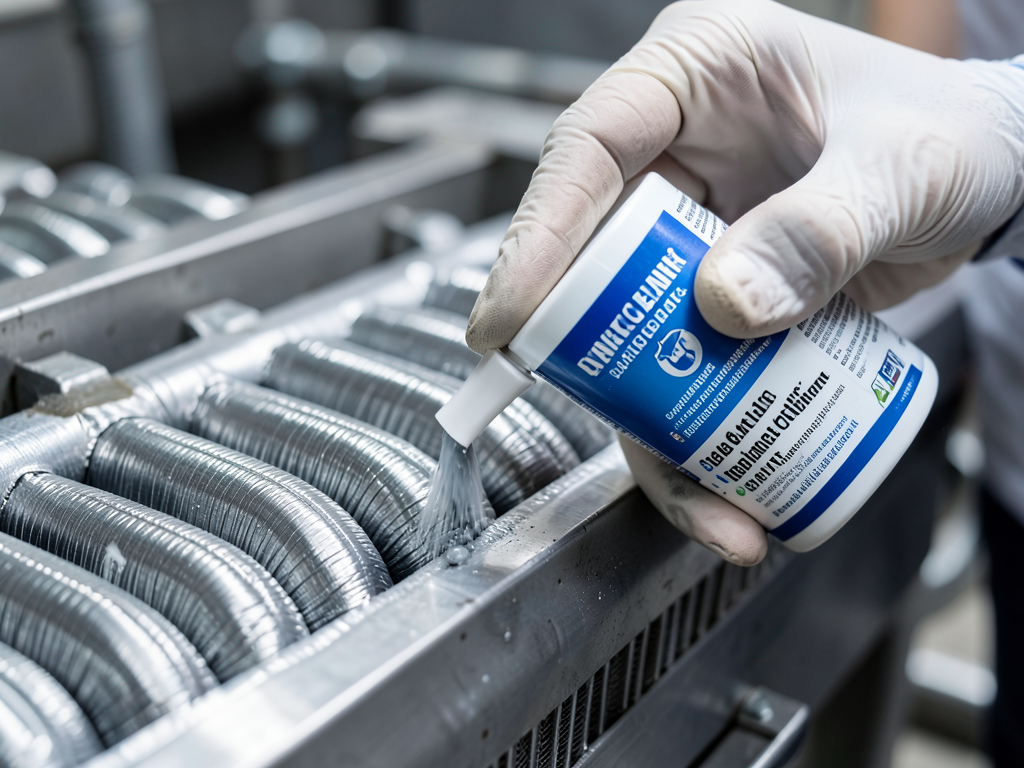
Photo of a technician applying non-acidic coil cleaner to an evaporator coil in a Mission area home.
Prevention strategies for Mission homeowners
Once you’ve eliminated the odor, preventing its return requires a proactive approach. Mission’s climate creates unique challenges that require specific strategies.
Schedule professional maintenance twice yearly – once before cooling season and once before heating season. During these visits, technicians should check for standing water in the drain pan, inspect the condensate line for blockages, and clean the coil if any buildup is detected.
Consider installing a whole-house dehumidifier. Mission’s summer humidity often exceeds 70%, creating ideal conditions for bacterial growth. A dehumidifier keeps humidity levels between 30-50%, making your home less hospitable to the organisms causing the smell.
Upgrade to a high-quality air filter and change it every 60-90 days. Cheap fiberglass filters allow too many particles to reach your coil. A pleated filter with antimicrobial treatment adds another layer of protection.
For homes with heat pumps, ask about “dry mode” operation. Some modern systems include a setting that runs the fan after cooling cycles to help dry the coil, reducing moisture available for bacterial growth.
Cost considerations for Mission area homeowners
The cost to eliminate Dirty Sock Syndrome varies based on severity and chosen solution. A basic professional coil cleaning in the Kansas City metro area typically ranges from $150 to $350.
UV light installation adds $400 to $800 to the project cost but provides ongoing protection. The lights consume minimal electricity and the bulbs need replacement every 12-24 months.
Antimicrobial coil coatings represent the higher end of the investment spectrum at $500 to $1,200. However, these coatings often come with multi-year warranties and can prevent multiple cleaning visits.
Many Mission homeowners find that addressing this issue during their regular maintenance visit saves money compared to emergency service calls when the smell becomes unbearable. Who to call for 24 hour emergency AC repair in Shawnee when the heat index spikes.
Why Mission homes face unique challenges
Mission’s specific climate and housing stock create conditions that make Dirty Sock Syndrome particularly common here. The area’s average July humidity of 76% provides constant moisture for bacterial growth.
Many Mission homes were built during the post-war expansion when HVAC systems were often oversized or improperly installed. Oversized systems cool too quickly without running long enough to properly dehumidify, leaving excess moisture on coils.
The clay soil common in Johnson County expands and contracts with moisture changes, sometimes causing foundation shifts that stress ductwork connections. These small gaps allow humid attic or crawl space air to enter the system, compounding the moisture problem.
Mission’s rapid growth in the 1970s and 1980s means many homes have 30-50 year old HVAC systems. Older coils often have microscopic cracks in their protective coating, providing more surface area for bacteria to colonize.
Frequently Asked Questions
How long does it take to eliminate the vinegar smell?
Professional cleaning typically resolves the odor within 24-48 hours. The cleaning solution needs time to break down the biofilm, and any residual smell should dissipate as the system runs.
Will the smell come back after cleaning?
Without preventive measures, yes. The bacteria can return within 6-12 months in Mission’s humid climate. UV lights or antimicrobial coatings significantly extend the time between cleanings.
Can I just replace the evaporator coil instead?
Coil replacement costs $1,000 to $2,500 and guarantees a fresh start. However, if the underlying moisture and airflow issues aren’t addressed, bacteria can still grow on the new coil.
Does Dirty Sock Syndrome affect system performance?
Yes. The biofilm buildup can reduce cooling efficiency by 10-30% and restrict airflow, causing your system to work harder and potentially shortening its lifespan.
Should I be concerned about health effects?
While not typically dangerous for healthy adults, the airborne contaminants can irritate respiratory conditions and may cause headaches or fatigue in sensitive individuals.
Before and after comparison showing a severely contaminated coil versus a professionally cleaned coil.
Take action before the smell gets worse
That vinegar smell from your vents isn’t going to fix itself. In Mission’s humid climate, the problem typically worsens through the summer months, potentially leading to more expensive repairs if left untreated. Same day furnace repair services for families in Lee’s Summit.
Professional HVAC technicians in the Kansas City area diagnose and treat Dirty Sock Syndrome daily. The solution usually requires just a few hours of service and can restore your home’s air quality immediately.
Call (816) 473-9177 today to schedule your inspection. Our technicians will identify the source of the odor, explain your treatment options, and provide a clear price quote before any work begins. Don’t let that smell linger – your family deserves fresh, clean air.
Pick up the phone and call (816) 473-9177 before the next heat wave hits. The longer you wait, the more the bacteria multiply and the harder the problem becomes to solve.
{
“@context”: “https://schema.org”,
“@type”: “BlogPosting”,
“headline”: “How to stop that vinegar smell from coming out of your vents in Mission homes”,
“description”: “Eliminate that foul vinegar odor from your Mission home’s vents. Learn the causes of Dirty Sock Syndrome and proven solutions from Kansas City HVAC experts.”,
“wordCount”: 1700,
“datePublished”: “2026-04-03T07:02:00.000Z”,
“dateModified”: “2026-04-03T07:02:00.000Z”,
“inLanguage”: “en-US”,
“mainEntityOfPage”: {
“@type”: “WebPage”,
“@id”: “https://unitedhvackansascity.com”
},
“publisher”: {
“@type”: “LocalBusiness”,
“name”: “United HVAC Kansas City”,
“url”: “https://unitedhvackansascity.com”
},
“author”: {
“@type”: “Organization”,
“name”: “United HVAC Kansas City”,
“url”: “https://unitedhvackansascity.com”
},
“image”: {
“@type”: “ImageObject”,
“url”: “https://unitedhvackansascity.com/wp-content/uploads/2026/03/how-to-stop-that-vinegar-smell-from-coming-out-of-1.png”
}
}
{
“@context”: “https://schema.org”,
“@type”: “HVACBusiness”,
“name”: “United HVAC Kansas City”,
“url”: “https://unitedhvackansascity.com”,
“address”: {
“@type”: “PostalAddress”,
“addressLocality”: “Kansas City”
},
“areaServed”: {
“@type”: “City”,
“name”: “Kansas City”
}
}
{
“@context”: “https://schema.org”,
“@type”: “FAQPage”,
“mainEntity”: [
{
“@type”: “Question”,
“name”: “What causes that vinegar smell in Mission homes?”,
“acceptedAnswer”: {
“@type”: “Answer”,
“text”: “The science behind the stench is straightforward. When your air conditioner runs, condensation forms on the evaporator coils. In Mission’s humid climate, this moisture combines with airborne dust and organic particles. The dark, damp environment inside your air handler becomes a breeding ground for bacteria and mold.”
}
},
{
“@type”: “Question”,
“name”: “Is that vinegar smell dangerous for your family?”,
“acceptedAnswer”: {
“@type”: “Answer”,
“text”: “While the smell itself is unpleasant, the real concern is what’s causing it. The bacteria and mold growing on your coils can release mycotoxins and volatile organic compounds into your home’s air. For families with asthma, allergies, or respiratory sensitivities, these airborne contaminants can trigger symptoms.”
}
},
{
“@type”: “Question”,
“name”: “How long does it take to eliminate the vinegar smell?”,
“acceptedAnswer”: {
“@type”: “Answer”,
“text”: “Professional cleaning typically resolves the odor within 24-48 hours. The cleaning solution needs time to break down the biofilm, and any residual smell should dissipate as the system runs.”
}
},
{
“@type”: “Question”,
“name”: “Will the smell come back after cleaning?”,
“acceptedAnswer”: {
“@type”: “Answer”,
“text”: “Without preventive measures, yes. The bacteria can return within 6-12 months in Mission’s humid climate. UV lights or antimicrobial coatings significantly extend the time between cleanings.”
}
},
{
“@type”: “Question”,
“name”: “Can I just replace the evaporator coil instead?”,
“acceptedAnswer”: {
“@type”: “Answer”,
“text”: “Coil replacement costs $1,000 to $2,500 and guarantees a fresh start. However, if the underlying moisture and airflow issues aren’t addressed, bacteria can still grow on the new coil.”
}
},
{
“@type”: “Question”,
“name”: “Does Dirty Sock Syndrome affect system performance?”,
“acceptedAnswer”: {
“@type”: “Answer”,
“text”: “Yes. The biofilm buildup can reduce cooling efficiency by 10-30% and restrict airflow, causing your system to work harder and potentially shortening its lifespan.”
}
},
{
“@type”: “Question”,
“name”: “Should I be concerned about health effects?”,
“acceptedAnswer”: {
“@type”: “Answer”,
“text”: “While not typically dangerous for healthy adults, the airborne contaminants can irritate respiratory conditions and may cause headaches or fatigue in sensitive individuals.”
}
}
]
}
{
“@context”: “https://schema.org”,
“@type”: “HowTo”,
“name”: “Temporary odor reduction steps”,
“step”: [
{
“@type”: “HowToStep”,
“position”: 1,
“name”: “Change your air filter”,
“text”: “Replace your standard filter with a MERV 8-11 rated filter. Higher MERV ratings can restrict airflow in older systems, so don’t go above 11 without professional advice.”
},
{
“@type”: “HowToStep”,
“position”: 2,
“name”: “Clean the condensate drain line”,
“text”: “Pour a cup of white vinegar down the drain line to kill some surface bacteria. This won’t solve the coil problem but can help with drain pan odors.”
},
{
“@type”: “HowToStep”,
“position”: 3,
“name”: “Run your fan continuously”,
“text”: “Set your thermostat to \”fan on\” mode for 24-48 hours. This circulates air through the system, potentially drying out some moisture. Smart Thermostat Benefits.”
}
],
“image”: “https://unitedhvackansascity.com/wp-content/uploads/2026/03/how-to-stop-that-vinegar-smell-from-coming-out-of-1.png”
}
{
“@context”: “https://schema.org”,
“@type”: “BreadcrumbList”,
“itemListElement”: [
{
“@type”: “ListItem”,
“position”: 1,
“name”: “Home”,
“item”: “https://unitedhvackansascity.com”
},
{
“@type”: “ListItem”,
“position”: 2,
“name”: “Blog”,
“item”: “https://unitedhvackansascity.com/blog”
},
{
“@type”: “ListItem”,
“position”: 3,
“name”: “How to stop that vinegar smell from coming out of your vents in Mission homes”
}
]
}
{
“@context”: “https://schema.org”,
“@type”: “Service”,
“serviceType”: “HVAC”,
“provider”: {
“@type”: “LocalBusiness”,
“name”: “United HVAC Kansas City”,
“url”: “https://unitedhvackansascity.com”
},
“areaServed”: {
“@type”: “City”,
“name”: “Kansas City”
},
“description”: “Eliminate that foul vinegar odor from your Mission home’s vents. Learn the causes of Dirty Sock Syndrome and proven solutions from Kansas City HVAC experts.”
}