
Why Your West Bottoms Loft Needs a Specialized Approach to HVAC Maintenance
Your West Bottoms loft isn’t just another apartment. It’s a converted industrial space with high ceilings, exposed ductwork, and architectural quirks that demand a specialized HVAC approach. The open floor plans and historic brick walls create unique heating and cooling challenges that standard residential systems simply weren’t designed to handle. Why historic Brookside homes need specialized high velocity AC systems.
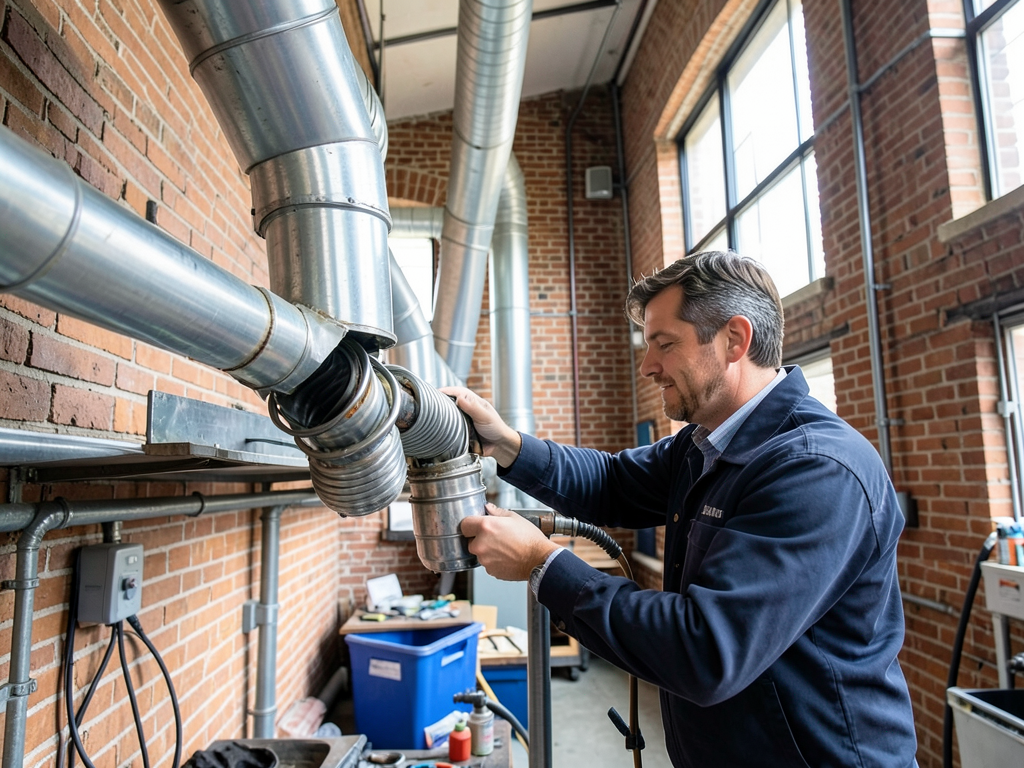
The first 100 words of this article address your primary concern: your loft’s HVAC system requires expert care specific to its industrial heritage. The exposed spiral ductwork, 15-foot ceilings, and brick-and-timber construction create thermal stratification that standard maintenance plans ignore. You need a technician who understands how heat rises in these spaces and how to maintain efficiency without compromising the aesthetic appeal of your exposed systems.
The Unique Challenges of KC Loft Climate Control
West Bottoms lofts face distinct climate control issues that generic HVAC maintenance simply cannot address. The area’s historic industrial buildings were constructed with thick brick walls and large window openings that create significant temperature swings throughout the day.
Thermal stratification becomes a major efficiency killer in high-ceiling spaces. Heat naturally rises and collects near the ceiling while the living area remains cooler. This creates a 5-10 degree temperature difference between floor and ceiling levels, forcing your system to work harder than necessary. Standard thermostats mounted at standard heights never detect this upper-level heat accumulation.
The exposed ductwork common in West Bottoms lofts requires specialized cleaning techniques. Unlike hidden ductwork that accumulates dust in sealed spaces, exposed spiral duct acts as an air filter for the entire loft. It collects cooking grease, construction dust from the surrounding industrial area, and particulate matter from the nearby Kansas River. Regular residential duct cleaning methods don’t address the unique contamination patterns found in these converted spaces.
Historic building constraints add another layer of complexity. Many West Bottoms structures predate modern HVAC installation, meaning your system was retrofitted into existing architecture. This often results in limited access points, unconventional routing, and equipment placement that maximizes space rather than efficiency.
According to the International Mechanical Code Section 601.2, HVAC systems in historic buildings must maintain structural integrity while meeting modern efficiency standards. This creates a technical challenge that requires both mechanical expertise and architectural understanding. National Fire Protection Association Code 90B.
Call (816) 473-9177 today to schedule your loft’s specialized HVAC assessment.
Our Comprehensive Loft Maintenance Checklist
Standard HVAC maintenance checklists fail to address the specific needs of West Bottoms lofts. Our specialized approach includes these critical steps that most technicians overlook:
- High-Reach Filter Inspection
Standard filters in loft systems often sit 12-15 feet above the floor. We use specialized ladders and scaffolding to access these units safely. This isn’t just about changing filters—it’s about inspecting the entire housing assembly for dust accumulation that affects airflow.
- Exposed Ductwork Assessment
We examine every linear foot of visible ductwork for corrosion, loose connections, and insulation degradation. The industrial environment of the West Bottoms exposes these systems to higher levels of airborne contaminants than typical residential areas.
- Thermal Stratification Analysis
Using thermal imaging cameras, we identify hot and cold spots throughout your loft. This diagnostic step reveals whether your system is properly distributing air or if you’re experiencing the classic “hot ceiling, cold floor” problem common in high-ceiling spaces.
- Condensate Line Evaluation
Historic buildings often have drainage systems that weren’t designed for modern HVAC condensate output. We inspect these connections to prevent water damage to your beautiful hardwood floors or exposed brick walls. Storm Damage HVAC Repair.
- Smart Thermostat Calibration
Standard thermostats don’t account for the thermal mass of brick walls or the air volume of high-ceiling spaces. We calibrate your system to optimize performance for your specific loft layout.
The EPA Section 608 regulations require specific handling procedures for refrigerants in older buildings. Our technicians are certified to work with both modern and legacy refrigerant systems commonly found in converted industrial spaces. EPA Section 608 regulations.
Neighborhood Expertise: From the Crossroads to River Market
West Bottoms isn’t the only KC neighborhood with unique HVAC challenges. The entire downtown loft district requires specialized knowledge that most HVAC companies lack. Each area presents distinct maintenance considerations.
Crossroads District lofts often feature high-velocity HVAC systems designed for narrow ductwork. These systems require different maintenance schedules than standard central air. The frequent art gallery openings and weekend events in the area mean these systems run on irregular schedules, creating unique wear patterns.
River Market lofts face different challenges. The proximity to the Missouri River creates higher humidity levels that affect both comfort and equipment longevity. Condensate management becomes critical in these spaces, and standard drainage solutions often prove inadequate.
Quality Hill’s historic mansions converted to loft spaces present their own set of challenges. The original architecture often includes ornate plasterwork and hardwood details that require careful protection during maintenance procedures. Standard drop cloths and plastic sheeting aren’t sufficient for these high-end finishes.. Read more about Improving Kitchen Air Quality for Serious Home Cooks in the Armour Hills Neighborhood.
According to the Kansas City MO Mechanical Code Section 506.3, HVAC modifications in historic districts require specific permitting and inspection procedures. Our team navigates these requirements regularly, ensuring your system meets all local regulations while maintaining the character of your space. Local HVAC experts for boiler maintenance and repair near the Country Club Plaza.
Don’t trust your loft’s HVAC to a company that doesn’t understand KC’s unique architecture. Call (816) 473-9177 for expert service.
Maintenance Plans & Transparent Pricing
Seasonal scheduling proves critical for loft HVAC systems. The extreme temperature swings in Kansas City mean your system works hardest during spring and fall transition periods. These shoulder seasons often catch standard maintenance plans off guard.
Spring maintenance should occur in early March, before the first heat wave hits. This timing allows us to identify and address any winter damage before summer stress begins. Fall maintenance in late September prepares your system for the upcoming heating season while temperatures remain comfortable for thorough diagnostics.
The ROI of specialized loft maintenance becomes clear when comparing emergency repair costs to preventive care. A standard residential emergency AC repair in Kansas City averages $450-600. Loft-specific issues like high-velocity system failures or condensate drainage problems can easily double that cost due to the specialized expertise required. Same day furnace repair services for families in Lee’s Summit.
Our maintenance plans include priority scheduling during peak seasons. When temperatures hit 95 degrees in July, standard customers wait 3-5 days for service. Maintenance plan members receive same-week service, often within 24 hours.
We provide transparent pricing with no hidden fees. Unlike companies that quote low initial prices then add charges for “difficult access” or “special equipment,” our loft maintenance pricing includes all necessary services for your specific space.
The National Association of Home Builders reports that HVAC systems in buildings over 50 years old require 30% more maintenance than modern constructions. This statistic becomes particularly relevant when considering the age of most West Bottoms industrial buildings.
Comparing Loft vs. Standard HVAC Systems
| Feature | West Bottoms Loft System | Standard Residential System |
|---|---|---|
| Average Ceiling Height | 12-18 feet | 8-9 feet |
| Ductwork Type | Exposed spiral or high-velocity | Hidden flex or rigid |
| Maintenance Frequency | Semi-annual minimum | Annual standard |
| Access Requirements | Scaffolding or tall ladders | Standard step ladder |
| Air Volume per Square Foot | 2-3x higher | Standard |
| Typical Issues | Stratification, corrosion, drainage | Filter clogs, refrigerant leaks |
This comparison reveals why standard HVAC companies often miss critical issues in loft spaces. The volume of air, height of access, and unique contamination sources require specialized knowledge and equipment.
Air Quality Considerations for Urban Lofts
West Bottoms’ industrial heritage creates unique air quality challenges. The area’s proximity to rail yards, manufacturing facilities, and the river means loft air often contains higher levels of particulates than typical residential areas.
MERV 13 filtration becomes essential for loft spaces. Standard MERV 8 filters allow too many urban contaminants to circulate through your system. The higher filtration level captures smaller particles without significantly restricting airflow in high-volume systems.
Humidity control presents another challenge. The brick construction common in West Bottoms buildings absorbs moisture during humid periods then releases it slowly. This creates a “breathing” effect that standard HVAC systems struggle to manage.
According to the EPA’s Indoor Air Quality guidelines, buildings in urban industrial areas require 40-60% more frequent filter changes than suburban locations. This increased maintenance schedule prevents the buildup of contaminants that can affect both system efficiency and occupant health.
Noise reduction becomes a significant consideration in open loft spaces. The exposed ductwork that defines loft aesthetics also creates sound transmission issues. We use specialized insulation and vibration dampening techniques that maintain the industrial look while reducing operational noise.
Emergency Response for Loft Systems
When your loft’s HVAC system fails during Kansas City’s extreme weather, every hour matters. The thermal mass of brick walls means temperature changes happen slowly, but once they begin, they accelerate rapidly.
Standard emergency response times of 24-48 hours become dangerous when outdoor temperatures exceed 95 degrees or drop below 20 degrees. Loft spaces with high ceilings and large window areas can become uninhabitable within 12 hours of system failure. Who to call for 24 hour emergency AC repair in Shawnee when the heat index spikes.
Our emergency response protocol for lofts includes specialized equipment staging. We maintain a inventory of common loft-specific parts including high-velocity system components, specialized condensate pumps, and MERV 13 filters in various sizes.
The diagnostic process for loft emergencies differs significantly from standard residential calls. We must consider factors like thermal stratification effects, historic building constraints, and the impact of open floor plans on system performance. This specialized knowledge allows us to identify root causes rather than just treating symptoms.
According to the National Fire Protection Association Code 90B, HVAC emergency response in commercial buildings requires specific safety protocols that many residential technicians aren’t trained to follow. Our team maintains current certifications in these commercial emergency procedures.
Energy Efficiency in Historic Spaces
Improving energy efficiency in West Bottoms lofts requires balancing modern performance standards with historic preservation requirements. The thick brick walls that provide character also create significant thermal mass that standard efficiency calculations don’t account for.
Smart thermostat integration offers substantial efficiency gains for loft spaces. These systems learn your loft’s unique thermal characteristics, accounting for factors like afternoon sun exposure through large windows and the cooling effect of exposed brick at night.
According to Energy Star guidelines, buildings with high ceilings require 15-20% more cooling capacity than standard constructions. However, proper system design and maintenance can reduce this penalty to under 5% through optimized airflow management.
Window treatments play a crucial role in loft energy efficiency. The large, often historic windows that define loft aesthetics also create significant heat gain in summer and heat loss in winter. We recommend specific treatments that maintain the industrial look while improving thermal performance.
Zone control systems offer another efficiency opportunity for lofts. Different areas of your space may have vastly different heating and cooling needs based on factors like sun exposure, ceiling height, and proximity to exterior walls. Zone control allows you to condition only the spaces you’re using.
Frequently Asked Questions
How often should I have my West Bottoms loft’s HVAC system serviced?
Loft HVAC systems require semi-annual maintenance at minimum, with additional service recommended during seasonal transitions. The high ceilings, exposed ductwork, and historic construction create more stress on your system than standard residential spaces.
Can I use a standard HVAC company for my loft maintenance?
While any licensed technician can technically service your system, most lack the specialized knowledge required for loft spaces. High-velocity systems, exposed ductwork, and historic building constraints require specific expertise that general residential technicians don’t possess.
What’s the average lifespan of a loft HVAC system?
With proper maintenance, loft HVAC systems typically last 12-15 years, slightly less than standard residential systems due to the additional stress of high ceilings and industrial environments. Regular specialized maintenance can extend this to 18-20 years.
Are loft HVAC repairs more expensive than standard repairs?
Initial diagnosis may cost more due to specialized equipment needs, but properly maintained loft systems often have lower lifetime repair costs. The key is finding a technician who understands your system’s unique requirements.
Do I need special permits for HVAC work in historic West Bottoms buildings?
Many West Bottoms buildings fall under historic preservation guidelines that require specific permitting for HVAC modifications. We handle all necessary permits and ensure compliance with local historic district requirements.
Ready to protect your investment with expert loft HVAC care? Call (816) 473-9177 now to schedule your comprehensive system evaluation.
{
“@context”: “https://schema.org”,
“@type”: “BlogPosting”,
“headline”: “Why Your West Bottoms Loft Needs a Specialized Approach to HVAC Maintenance”,
“description”: “Discover why West Bottoms loft HVAC systems need expert care. Learn about exposed ductwork, high-ceiling challenges, and specialized maintenance for historic KC industrial spaces.”,
“wordCount”: 2093,
“datePublished”: “2026-03-21T12:09:00.000Z”,
“dateModified”: “2026-03-21T12:09:00.000Z”,
“inLanguage”: “en-US”,
“mainEntityOfPage”: {
“@type”: “WebPage”,
“@id”: “https://unitedhvackansascity.com”
},
“publisher”: {
“@type”: “LocalBusiness”,
“name”: “United HVAC Kansas City”,
“url”: “https://unitedhvackansascity.com”
},
“author”: {
“@type”: “Organization”,
“name”: “United HVAC Kansas City”,
“url”: “https://unitedhvackansascity.com”
},
“image”: {
“@type”: “ImageObject”,
“url”: “https://unitedhvackansascity.com/wp-content/uploads/2026/03/why-your-west-bottoms-loft-needs-a-specialized-app-1.png”
}
}
{
“@context”: “https://schema.org”,
“@type”: “HVACBusiness”,
“name”: “United HVAC Kansas City”,
“url”: “https://unitedhvackansascity.com”,
“address”: {
“@type”: “PostalAddress”,
“addressLocality”: “Kansas City”
},
“areaServed”: {
“@type”: “City”,
“name”: “Kansas City”
}
}
{
“@context”: “https://schema.org”,
“@type”: “FAQPage”,
“mainEntity”: [
{
“@type”: “Question”,
“name”: “How often should I have my West Bottoms loft’s HVAC system serviced?”,
“acceptedAnswer”: {
“@type”: “Answer”,
“text”: “Loft HVAC systems require semi-annual maintenance at minimum, with additional service recommended during seasonal transitions. The high ceilings, exposed ductwork, and historic construction create more stress on your system than standard residential spaces.”
}
},
{
“@type”: “Question”,
“name”: “Can I use a standard HVAC company for my loft maintenance?”,
“acceptedAnswer”: {
“@type”: “Answer”,
“text”: “While any licensed technician can technically service your system, most lack the specialized knowledge required for loft spaces. High-velocity systems, exposed ductwork, and historic building constraints require specific expertise that general residential technicians don’t possess.”
}
},
{
“@type”: “Question”,
“name”: “What’s the average lifespan of a loft HVAC system?”,
“acceptedAnswer”: {
“@type”: “Answer”,
“text”: “With proper maintenance, loft HVAC systems typically last 12-15 years, slightly less than standard residential systems due to the additional stress of high ceilings and industrial environments. Regular specialized maintenance can extend this to 18-20 years.”
}
},
{
“@type”: “Question”,
“name”: “Are loft HVAC repairs more expensive than standard repairs?”,
“acceptedAnswer”: {
“@type”: “Answer”,
“text”: “Initial diagnosis may cost more due to specialized equipment needs, but properly maintained loft systems often have lower lifetime repair costs. The key is finding a technician who understands your system’s unique requirements.”
}
},
{
“@type”: “Question”,
“name”: “Do I need special permits for HVAC work in historic West Bottoms buildings?”,
“acceptedAnswer”: {
“@type”: “Answer”,
“text”: “Many West Bottoms buildings fall under historic preservation guidelines that require specific permitting for HVAC modifications. We handle all necessary permits and ensure compliance with local historic district requirements.”
}
}
]
}
{
“@context”: “https://schema.org”,
“@type”: “HowTo”,
“name”: “Loft HVAC Maintenance Process”,
“step”: [
{
“@type”: “HowToStep”,
“position”: 1,
“name”: “High-Reach Filter Inspection”,
“text”: “Standard filters in loft systems often sit 12-15 feet above the floor. We use specialized ladders and scaffolding to access these units safely. This isn’t just about changing filters—it’s about inspecting the entire housing assembly for dust accumulation that affects airflow.”
},
{
“@type”: “HowToStep”,
“position”: 2,
“name”: “Exposed Ductwork Assessment”,
“text”: “We examine every linear foot of visible ductwork for corrosion, loose connections, and insulation degradation. The industrial environment of the West Bottoms exposes these systems to higher levels of airborne contaminants than typical residential areas.”
},
{
“@type”: “HowToStep”,
“position”: 3,
“name”: “Thermal Stratification Analysis”,
“text”: “Using thermal imaging cameras, we identify hot and cold spots throughout your loft. This diagnostic step reveals whether your system is properly distributing air or if you’re experiencing the classic \”hot ceiling, cold floor\” problem common in high-ceiling spaces.”
},
{
“@type”: “HowToStep”,
“position”: 4,
“name”: “Condensate Line Evaluation”,
“text”: “Historic buildings often have drainage systems that weren’t designed for modern HVAC condensate output. We inspect these connections to prevent water damage to your beautiful hardwood floors or exposed brick walls. Storm Damage HVAC Repair.”
},
{
“@type”: “HowToStep”,
“position”: 5,
“name”: “Smart Thermostat Calibration”,
“text”: “Standard thermostats don’t account for the thermal mass of brick walls or the air volume of high-ceiling spaces. We calibrate your system to optimize performance for your specific loft layout.”
}
],
“image”: “https://unitedhvackansascity.com/wp-content/uploads/2026/03/why-your-west-bottoms-loft-needs-a-specialized-app-1.png”
}
{
“@context”: “https://schema.org”,
“@type”: “BreadcrumbList”,
“itemListElement”: [
{
“@type”: “ListItem”,
“position”: 1,
“name”: “Home”,
“item”: “https://unitedhvackansascity.com”
},
{
“@type”: “ListItem”,
“position”: 2,
“name”: “Blog”,
“item”: “https://unitedhvackansascity.com/blog”
},
{
“@type”: “ListItem”,
“position”: 3,
“name”: “Why Your West Bottoms Loft Needs a Specialized Approach to HVAC Maintenance”
}
]
}
{
“@context”: “https://schema.org”,
“@type”: “Service”,
“serviceType”: “HVAC”,
“provider”: {
“@type”: “LocalBusiness”,
“name”: “United HVAC Kansas City”,
“url”: “https://unitedhvackansascity.com”
},
“areaServed”: {
“@type”: “City”,
“name”: “Kansas City”
},
“description”: “Discover why West Bottoms loft HVAC systems need expert care. Learn about exposed ductwork, high-ceiling challenges, and specialized maintenance for historic KC industrial spaces.”
}