Expert Furnace Safety Inspection in North Kansas City (NKC)
Carbon monoxide leaks from faulty furnaces kill an average of 420 Americans annually according to the CDC. In North Kansas City’s older homes built before modern safety codes aging heat exchangers and corroded venting systems create serious risks that many homeowners don’t discover until it’s too late. A certified carbon monoxide and furnace safety inspection goes far beyond a basic tune-up using specialized diagnostic equipment to detect invisible threats and verify your heating system meets current safety standards. CDC carbon monoxide statistics.
Why NKC Homeowners Need Annual Furnace Safety Checks
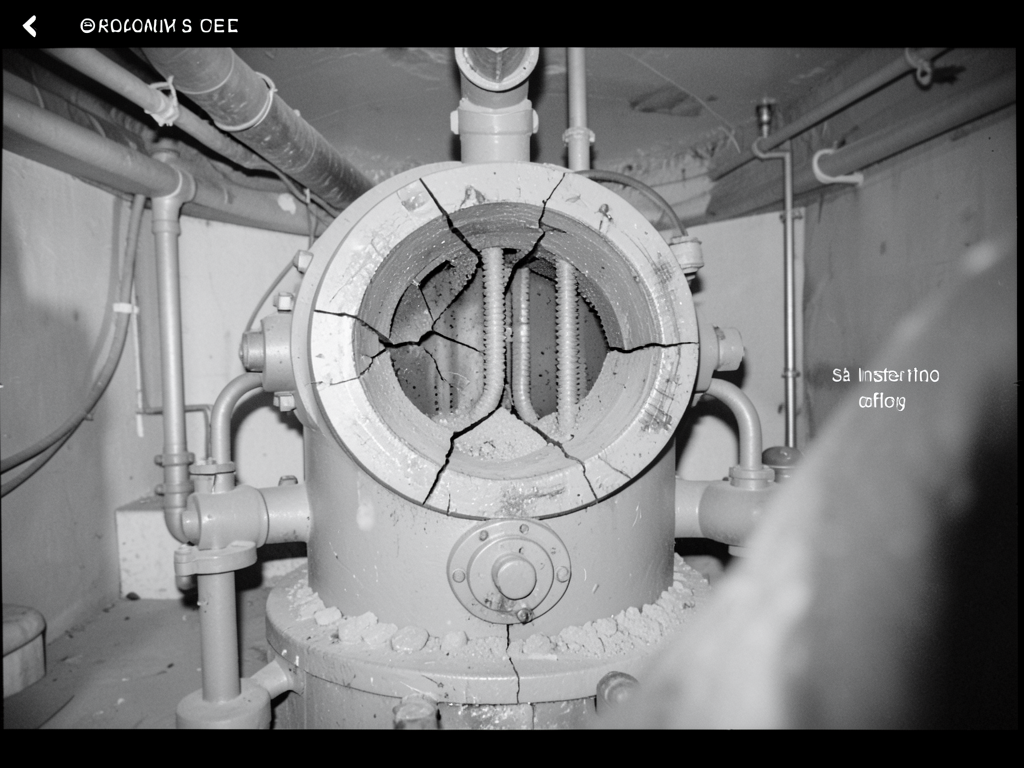
North Kansas City’s climate swings from sub-zero winter temperatures to humid summers create extreme stress on heating systems. Many NKC homes built between the 1940s and 1970s still use original furnaces with heat exchangers that develop hairline cracks over decades of thermal cycling. These cracks allow carbon monoxide to escape into living spaces where it accumulates silently. The region’s clay soil also causes foundation settling that can stress gas lines and vent connections over time. Same day furnace repair services for families in Lee’s Summit.
Local building codes require carbon monoxide detectors within 15 feet of sleeping areas but detectors alone cannot prevent the root cause of CO production. A comprehensive safety inspection identifies failing components before they become emergencies potentially saving lives and preventing costly property damage from gas leaks or fire hazards. Local HVAC experts for boiler maintenance and repair near the Country Club Plaza.
Our 20-Point North Kansas City Furnace Inspection Checklist
Our certified technicians follow a systematic safety protocol that exceeds standard maintenance procedures. We document every step and provide you with a detailed report showing current system condition and any recommended repairs. EPA carbon monoxide safety guidelines.
- Carbon Monoxide Testing
We use digital CO detectors to measure ambient levels throughout your home then test flue gases directly to verify proper combustion and venting.
- Heat Exchanger Integrity Check
Using infrared cameras and combustion analyzers we inspect for cracks corrosion or deterioration that could leak carbon monoxide.
- Gas Pressure Verification
We measure manifold pressure against manufacturer specifications to ensure safe and efficient operation.
- Burner Assembly Inspection
We examine burners for proper flame pattern cleanliness and alignment to prevent incomplete combustion.
- Flame Sensor Cleaning and Testing
We clean the flame sensor and verify it’s detecting the pilot flame correctly.
- Limit Switch Operation
We test the high-limit switch to ensure it shuts down the system if overheating occurs.
- Blower Motor and Wheel Check
We inspect the blower assembly for proper balance belt condition and bearing wear.
- Air Filter Assessment
We check filter condition and recommend appropriate MERV ratings for your system.
- Vent Pipe Integrity
We inspect all vent connections for corrosion proper slope and secure mounting.
- Draft Inducer Motor Test
We verify the draft inducer is creating proper negative pressure for safe venting.
- Thermocouple or Flame Rollout Switch Check
We test safety switches that prevent gas flow if the pilot light goes out.
- Gas Valve Operation
We verify the gas valve opens and closes properly and holds pressure.
- Electrical Connection Inspection
We check all wiring for proper connections insulation integrity and secure mounting.
- Capacitor Testing
We measure capacitor microfarad ratings to ensure motors receive proper starting voltage.
- Combustion Air Supply Check
We verify adequate fresh air is available for proper combustion.
- Flue Gas Analysis
We use combustion analyzers to measure oxygen carbon monoxide and stack temperature.
- Thermostat Calibration
We verify thermostat accuracy and proper cycling of the heating system. Smart Thermostat Benefits.
- Safety Control Verification
We test all safety interlocks including pressure switches and rollout sensors.
- Ignition System Check
We verify proper operation of hot surface ignitors or spark ignitors.
- Final System Operation Test
We run the system through a complete heating cycle to verify all components work together safely.
The Danger of Carbon Monoxide: Keeping Your Family Safe
Carbon monoxide is an odorless colorless gas produced when fuels burn incompletely. In NKC’s older homes with aging heating systems several factors increase CO risk. Rusted heat exchangers develop microscopic cracks that expand with temperature changes. Improperly sized or corroded vent pipes can backdraft CO into living spaces. Blocked chimneys prevent proper exhaust of combustion gases.
Symptoms of CO poisoning mimic flu-like illness: headache dizziness weakness nausea chest pain and confusion. High-level exposure causes loss of consciousness and death. Children elderly and people with heart or respiratory conditions are most vulnerable. The EPA recommends installing CO detectors on every level of your home and outside sleeping areas.
Modern high-efficiency furnaces produce less CO than older models but they require proper installation and venting to maintain safety. Our inspection includes checking for negative pressure conditions in tightly sealed homes that can cause backdrafting even in newer systems.
Local Reviews from Your Neighbors in NKC and Clay County
Sarah M. from 64116 says: “The technician found a hairline crack in our 20-year-old furnace’s heat exchanger that we never would have known about. He showed us the infrared camera images and explained the CO risk clearly. We replaced the unit before winter and feel much safer.”
Mike R. from the Armour Road area reports: “They tested our CO levels before and after cleaning the burners. The improvement was dramatic. They also found our vent pipe wasn’t properly secured and could have come loose during the next windstorm.” Storm Damage HVAC Repair.
Jennifer L. in the Northgate District comments: “I appreciated how thorough they were. They tested every room for CO not just near the furnace. Found that our basement had elevated levels from a small gas leak at a connection that was slowly getting worse.”
Frequently Asked Questions About Furnace Safety
How long does a furnace safety inspection take?
A complete 20-point safety inspection typically requires 60-90 minutes depending on system complexity and any issues discovered during testing.
What’s the difference between a safety inspection and a tune-up?
A tune-up focuses on cleaning and adjusting components for efficiency. A safety inspection uses diagnostic equipment to test for dangerous conditions like CO leaks gas leaks and fire hazards. Safety inspections include all tune-up tasks plus specialized testing.
How often should I get my furnace inspected?
The International Mechanical Code and most manufacturers recommend annual inspections before the heating season begins. Homes over 15 years old or with original equipment should be inspected every six months. International Mechanical Code Chapter 20.
What are signs my furnace might be unsafe?
Warning signs include yellow or flickering burner flames soot around vents excessive moisture on windows rusting on flue pipes and unusual odors when the system runs. Many CO leaks produce no visible symptoms.
Is carbon monoxide testing included in standard HVAC service?
Most basic maintenance packages do not include comprehensive CO testing. Always ask specifically about carbon monoxide detection and heat exchanger testing when scheduling service.
Emergency Furnace Safety Procedures
If your CO detector alarms or you suspect a gas leak evacuate immediately. Do not operate any electrical switches or use phones inside the building. Once outside call 911 and your gas utility’s emergency line. For non-emergency concerns about furnace safety call (816) 473-9177 for a certified inspection. Who to call for 24 hour emergency AC repair in Shawnee when the heat index spikes.
During winter storms when heating systems work hardest watch for signs of trouble: unusual cycling patterns strange noises or visible moisture around vents. These can indicate developing problems that safety inspections catch early.
Local Building Code Requirements
The City of North Kansas City follows the International Mechanical Code (IMC) Chapter 20 for heating equipment installation and safety. Current requirements include carbon monoxide detectors within 15 feet of sleeping areas proper combustion air supply calculations and venting systems that meet specific material and sizing standards. The IMC also mandates that heat exchangers be accessible for inspection and that all gas connections be tested for leaks using approved methods.
Missouri state law requires HVAC contractors to hold proper licensing through the Missouri Division of Professional Registration. Technicians performing gas line work must have additional certifications for fuel gas piping installation and repair.. Read more about Reliable commercial AC repair and maintenance for business owners in the Northland.
Cost Factors and Service Area
Safety inspection pricing varies based on system age accessibility and any additional testing required. Most NKC homes with standard furnaces pay between $129-189 for a complete 20-point inspection. Commercial properties and complex systems may require additional time and specialized equipment.
We serve all of North Kansas City including the 64116 64117 and 64118 zip codes plus surrounding Clay County areas like Gladstone Kansas City North and parts of Riverside. Our technicians are familiar with the specific heating system types common to NKC’s housing stock from different eras.
Why Choose Certified Safety Inspectors
Only NATE-certified technicians have demonstrated knowledge of current safety standards and diagnostic procedures. Our team maintains ongoing training in carbon monoxide detection technology combustion analysis and updated building codes. We use professional-grade testing equipment that provides accurate measurements rather than simple pass/fail indicators.
Insurance companies often require documentation of regular safety inspections for coverage of heating equipment. Our detailed inspection reports provide the documentation needed for insurance claims property sales or rental property compliance.
Schedule Your Safety Inspection Today
Don’t wait for winter’s first cold snap to discover your furnace has safety issues. A pre-season inspection gives you time to address problems before you need heat. Our certified technicians can identify and fix issues before they become emergencies potentially saving lives and preventing costly damage.
Call (816) 473-9177 today to schedule your North Kansas City furnace safety inspection. We offer flexible appointment times including evenings and weekends to accommodate your schedule. Protect your family with professional carbon monoxide testing and comprehensive safety verification.
Pick up the phone and call (816) 473-9177 before the next cold front hits. Your family’s safety is worth the investment in professional inspection and peace of mind.
You may also find this helpful. Why Prairie Village residents are signing up for annual HVAC maintenance memberships.
{
“@context”: “https://schema.org”,
“@type”: “BlogPosting”,
“headline”: “Where to get a certified carbon monoxide and furnace safety inspection in North Kansas City”,
“description”: “Get certified carbon monoxide and furnace safety inspections in North Kansas City. Protect your family from CO leaks with our 20-point diagnostic testing.”,
“wordCount”: 1633,
“datePublished”: “2026-03-09T16:01:00.000Z”,
“dateModified”: “2026-03-09T16:01:00.000Z”,
“inLanguage”: “en-US”,
“mainEntityOfPage”: {
“@type”: “WebPage”,
“@id”: “https://unitedhvackansascity.com”
},
“publisher”: {
“@type”: “LocalBusiness”,
“name”: “United HVAC Kansas City”,
“url”: “https://unitedhvackansascity.com”
},
“author”: {
“@type”: “Organization”,
“name”: “United HVAC Kansas City”,
“url”: “https://unitedhvackansascity.com”
},
“image”: {
“@type”: “ImageObject”,
“url”: “https://unitedhvackansascity.com/wp-content/uploads/2026/03/where-to-get-a-certified-carbon-monoxide-and-furna-1.png”
}
}
{
“@context”: “https://schema.org”,
“@type”: “HVACBusiness”,
“name”: “United HVAC Kansas City”,
“url”: “https://unitedhvackansascity.com”,
“address”: {
“@type”: “PostalAddress”,
“addressLocality”: “Kansas City”
},
“areaServed”: {
“@type”: “City”,
“name”: “Kansas City”
}
}
{
“@context”: “https://schema.org”,
“@type”: “FAQPage”,
“mainEntity”: [
{
“@type”: “Question”,
“name”: “How long does a furnace safety inspection take?”,
“acceptedAnswer”: {
“@type”: “Answer”,
“text”: “A complete 20-point safety inspection typically requires 60-90 minutes depending on system complexity and any issues discovered during testing.”
}
},
{
“@type”: “Question”,
“name”: “What’s the difference between a safety inspection and a tune-up?”,
“acceptedAnswer”: {
“@type”: “Answer”,
“text”: “A tune-up focuses on cleaning and adjusting components for efficiency. A safety inspection uses diagnostic equipment to test for dangerous conditions like CO leaks gas leaks and fire hazards. Safety inspections include all tune-up tasks plus specialized testing.”
}
},
{
“@type”: “Question”,
“name”: “How often should I get my furnace inspected?”,
“acceptedAnswer”: {
“@type”: “Answer”,
“text”: “The International Mechanical Code and most manufacturers recommend annual inspections before the heating season begins. Homes over 15 years old or with original equipment should be inspected every six months. International Mechanical Code Chapter 20.”
}
},
{
“@type”: “Question”,
“name”: “What are signs my furnace might be unsafe?”,
“acceptedAnswer”: {
“@type”: “Answer”,
“text”: “Warning signs include yellow or flickering burner flames soot around vents excessive moisture on windows rusting on flue pipes and unusual odors when the system runs. Many CO leaks produce no visible symptoms.”
}
},
{
“@type”: “Question”,
“name”: “Is carbon monoxide testing included in standard HVAC service?”,
“acceptedAnswer”: {
“@type”: “Answer”,
“text”: “Most basic maintenance packages do not include comprehensive CO testing. Always ask specifically about carbon monoxide detection and heat exchanger testing when scheduling service.”
}
}
]
}
{
“@context”: “https://schema.org”,
“@type”: “HowTo”,
“name”: “20-Point Furnace Safety Inspection”,
“step”: [
{
“@type”: “HowToStep”,
“position”: 1,
“name”: “Carbon Monoxide Testing”,
“text”: “We use digital CO detectors to measure ambient levels throughout your home then test flue gases directly to verify proper combustion and venting.”
},
{
“@type”: “HowToStep”,
“position”: 2,
“name”: “Heat Exchanger Integrity Check”,
“text”: “Using infrared cameras and combustion analyzers we inspect for cracks corrosion or deterioration that could leak carbon monoxide.”
},
{
“@type”: “HowToStep”,
“position”: 3,
“name”: “Gas Pressure Verification”,
“text”: “We measure manifold pressure against manufacturer specifications to ensure safe and efficient operation.”
},
{
“@type”: “HowToStep”,
“position”: 4,
“name”: “Burner Assembly Inspection”,
“text”: “We examine burners for proper flame pattern cleanliness and alignment to prevent incomplete combustion.”
},
{
“@type”: “HowToStep”,
“position”: 5,
“name”: “Flame Sensor Cleaning and Testing”,
“text”: “We clean the flame sensor and verify it’s detecting the pilot flame correctly.”
},
{
“@type”: “HowToStep”,
“position”: 6,
“name”: “Limit Switch Operation”,
“text”: “We test the high-limit switch to ensure it shuts down the system if overheating occurs.”
},
{
“@type”: “HowToStep”,
“position”: 7,
“name”: “Blower Motor and Wheel Check”,
“text”: “We inspect the blower assembly for proper balance belt condition and bearing wear.”
},
{
“@type”: “HowToStep”,
“position”: 8,
“name”: “Air Filter Assessment”,
“text”: “We check filter condition and recommend appropriate MERV ratings for your system.”
},
{
“@type”: “HowToStep”,
“position”: 9,
“name”: “Vent Pipe Integrity”,
“text”: “We inspect all vent connections for corrosion proper slope and secure mounting.”
},
{
“@type”: “HowToStep”,
“position”: 10,
“name”: “Draft Inducer Motor Test”,
“text”: “We verify the draft inducer is creating proper negative pressure for safe venting.”
},
{
“@type”: “HowToStep”,
“position”: 11,
“name”: “Thermocouple or Flame Rollout Switch Check”,
“text”: “We test safety switches that prevent gas flow if the pilot light goes out.”
},
{
“@type”: “HowToStep”,
“position”: 12,
“name”: “Gas Valve Operation”,
“text”: “We verify the gas valve opens and closes properly and holds pressure.”
},
{
“@type”: “HowToStep”,
“position”: 13,
“name”: “Electrical Connection Inspection”,
“text”: “We check all wiring for proper connections insulation integrity and secure mounting.”
},
{
“@type”: “HowToStep”,
“position”: 14,
“name”: “Capacitor Testing”,
“text”: “We measure capacitor microfarad ratings to ensure motors receive proper starting voltage.”
},
{
“@type”: “HowToStep”,
“position”: 15,
“name”: “Combustion Air Supply Check”,
“text”: “We verify adequate fresh air is available for proper combustion.”
},
{
“@type”: “HowToStep”,
“position”: 16,
“name”: “Flue Gas Analysis”,
“text”: “We use combustion analyzers to measure oxygen carbon monoxide and stack temperature.”
},
{
“@type”: “HowToStep”,
“position”: 17,
“name”: “Thermostat Calibration”,
“text”: “We verify thermostat accuracy and proper cycling of the heating system. Smart Thermostat Benefits.”
},
{
“@type”: “HowToStep”,
“position”: 18,
“name”: “Safety Control Verification”,
“text”: “We test all safety interlocks including pressure switches and rollout sensors.”
},
{
“@type”: “HowToStep”,
“position”: 19,
“name”: “Ignition System Check”,
“text”: “We verify proper operation of hot surface ignitors or spark ignitors.\nFinal System Operation TestWe run the system through a complete heating cycle to verify all components work together safely.”
}
],
“image”: “https://unitedhvackansascity.com/wp-content/uploads/2026/03/where-to-get-a-certified-carbon-monoxide-and-furna-1.png”
}
{
“@context”: “https://schema.org”,
“@type”: “BreadcrumbList”,
“itemListElement”: [
{
“@type”: “ListItem”,
“position”: 1,
“name”: “Home”,
“item”: “https://unitedhvackansascity.com”
},
{
“@type”: “ListItem”,
“position”: 2,
“name”: “Blog”,
“item”: “https://unitedhvackansascity.com/blog”
},
{
“@type”: “ListItem”,
“position”: 3,
“name”: “Where to get a certified carbon monoxide and furnace safety inspection in North Kansas City”
}
]
}
{
“@context”: “https://schema.org”,
“@type”: “Service”,
“serviceType”: “HVAC”,
“provider”: {
“@type”: “LocalBusiness”,
“name”: “United HVAC Kansas City”,
“url”: “https://unitedhvackansascity.com”
},
“areaServed”: {
“@type”: “City”,
“name”: “Kansas City”
},
“description”: “Get certified carbon monoxide and furnace safety inspections in North Kansas City. Protect your family from CO leaks with our 20-point diagnostic testing.”
}